Contact Info

 Odoo in Jordan
What does a freelance Odoo consultant handle for Jordanian companies?
For Jordanian companies, a freelance Odoo consultant verifies what the Jordan localization and any national e-invoicing module cover in the chosen version and edition, sets dinar rounding and dollar handling correctly, designs batch and expiry control for pharmaceutical stock, and structures one database for Jordanian and Gulf entities. I provide this remotely and independently, with Arabic documents checked by your own staff.
Last reviewed by Vikas Saroj
Jordanian companies considering Odoo often need more than accounting and CRM. Pharmaceutical and medical suppliers need lot tracking, expiry dates and controlled release. Distributors need warehouses, routes and replenishment. Groups with sister companies in the Gulf want one system where each entity keeps its own books. Odoo covers these areas in one platform, but the details of edition, localization and setup decide whether it works.
As a freelance Odoo consultant working remotely in English, I verify those details before you commit, specify the design with your managers and quality staff, and stay on your side while an implementer builds and tests the system. You get one advisor whose only interest is that the result fits your operation.
 What I Do
Each service below deals with an Odoo decision that has a specific Jordanian dimension.

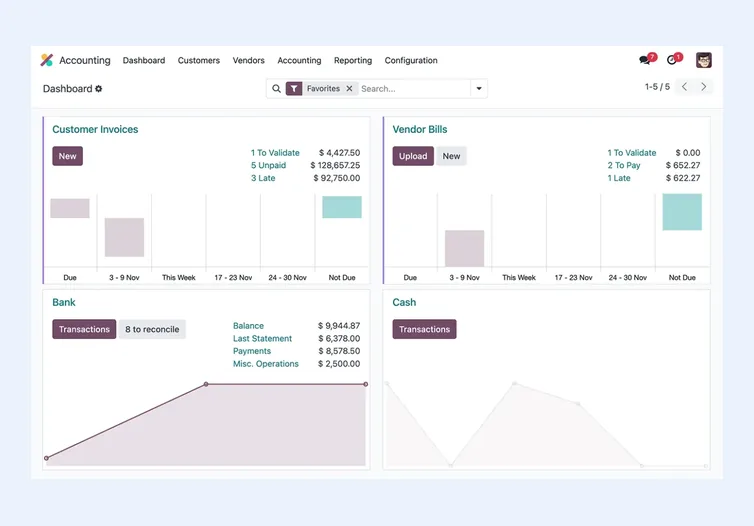
I review the Jordan fiscal package in your planned version, including chart of accounts and sales tax setup, and list what your accountant still needs configured or added.

I confirm whether a module for the national e-invoicing system exists for your version and edition, then rehearse submissions, rejections and credit notes in a test database.

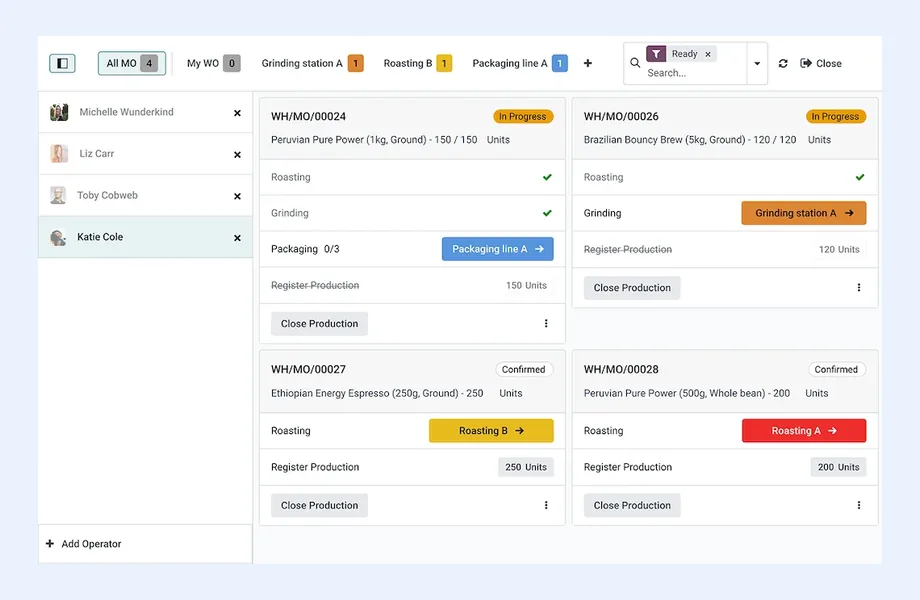
Lot numbers, expiry and removal strategies, quarantine locations and release steps designed for pharmaceutical and medical stock, with traceability from supplier receipt to customer delivery.

Jordanian and Gulf entities in one database, each with its own localization, currency and tax setup, plus intercompany rules for recharges and transfers between them.

The edition question and the hosting question, from Odoo Online to your own server, weighed on the features you need, the custom code you expect and who will maintain it.

I score Odoo implementer proposals from Jordan and the wider region on scope, custom development, migration effort and support terms, using your written requirements as the yardstick.
How I Work
Entities, tax cases and stock rules
 Entity and country map
Sales tax scenarios listed
Lot and expiry rules
Edition and hosting choice
Entity and country map
Sales tax scenarios listed
Lot and expiry rules
Edition and hosting choice
Configure and rehearse
Localization settings verified
Test e-invoices with errors
Recall trace exercise
Intercompany flows tested
Live running and first closes
Cutover with lot counts
First tax period review
Arabic guides by key users
Upgrade plan agreed
Odoo provides fiscal localizations country by country, and the content of each depends on the version. For Jordan, check what the package for your planned version includes: chart of accounts, sales tax records, report formats and any module for the national e-invoicing system run by the tax department. Whether that module, if present, requires Enterprise is part of the same check.
I then test the localization against your real invoice scenarios, agreed with your accountant:
Where the localization falls short, the gap is closed by configuration, a maintained module or custom work, in that order of preference. Tax positions belong to your advisor, who also confirms the present e-invoicing duties; the Odoo setup follows their written guidance. Odoo Accounting covers the wider finance setup.
The Jordanian dinar is divided into thousandths rather than hundredths, so the currency's rounding precision in Odoo must be checked before any invoice is issued. A wrong setting produces small differences on every tax line that add up and confuse reconciliation. I verify it during configuration and include it in test cases.
Many Jordanian businesses also trade or bill in US dollars. Odoo keeps rates per currency and day, accepts manual rates and can fetch them from a provider. With your accountant I agree which source is authoritative, who may change it and how open dollar balances are restated when each month closes.
Regional groups add structure. A single Odoo database can contain multiple companies, each with its own localization, base currency, tax setup and documents. One example structure is a Jordanian company alongside a UAE or Saudi company, sharing products and contacts where sensible, with intercompany rules that create matching sales and purchase documents when one entity bills another. Group figures are then drawn from that shared database without compromising any entity's statutory books. For how regional offices are handled whatever the platform, see my Jordan ERP consulting page.
Pharmaceutical manufacturers, importers and distributors in Jordan need stock control that can stand up to a recall or an inspection. Odoo Inventory supports lot and serial numbers, expiry dates, removal strategies based on expiry and multi-step receipts through quarantine locations. Quality checks and some manufacturing extras depend on edition, so they are part of the Community versus Enterprise decision.
I design the flow with your quality and warehouse teams:
Before go-live we run a recall exercise: pick a lot, trace it in both directions and check the result against paper records. Regulatory requirements are confirmed by your quality and regulatory staff; my role is to make Odoo support them. Odoo Inventory and Odoo Manufacturing describe the modules in more depth.
Arabic is available in the Odoo interface, and report templates can be adapted for Arabic or bilingual invoices, delivery notes and statements. I write the specification in English: which documents need which language, and which fields hold Arabic names for products and partners. A bilingual member of your team supplies and checks the Arabic wording, signs off the printouts in testing, and leads Arabic-language training for users.
Edition and hosting are decided together. Community avoids subscription fees but lacks the full Accounting app and several operational features, which are then replaced by third-party modules you must keep current. Odoo Online is quick to run but does not accept custom modules, Odoo.sh accepts them on infrastructure Odoo runs, and a server of your own means you control everything and answer for everything. Jordan's data protection legislation is reviewed with your legal counsel when deciding where data sits.
Odoo implementation firms exist in Jordan and in neighboring markets, and some work remotely. I hold no commercial ties to any of them. I compare proposals against your requirements, challenge custom code that configuration could replace, and run acceptance testing with your users. Scoring is described under ERP vendor selection.
Odoo is broad and capable, but breadth has costs. I recommend Jordanian clients look elsewhere, or at least test alternatives, when:
Saying this before a contract is signed is far cheaper than discovering it in testing. An ERP evaluation runs Odoo and its alternatives through your scenarios, my Odoo consulting page covers the platform in general, and the Jordan hub explains my remote engagement model.

Tell me about your business and current systems. I’ll suggest the most sensible first step.
Book a Consultation
Not sure which ERP you need?
Share your business requirements with me and I will help you understand the right process, architecture and platform before implementation.
FAQ
Check the module list for your exact version and edition, because e-invoicing coverage changes between releases. I confirm what is available, then have your implementer run test submissions, including a rejected invoice and a credit note, before go-live. The obligations themselves are for your tax advisor to confirm.
Yes. A single Odoo database can contain multiple companies, and each can carry its own localization, base currency and taxes. I design what master data is shared, how intercompany documents are generated and how group reports are produced, so local books stay right for each country and directors still get one consolidated view.
It can be, with lot and expiry tracking, quarantine locations, expiry-based picking and full traceability designed properly. Some quality features depend on edition. We run a recall exercise before go-live, and your regulatory staff confirm that the process meets the requirements they are accountable for.
The dinar uses thousandths, so the currency precision must match. If it is set wrongly, tax lines and totals pick up small rounding differences that cause reconciliation problems later. I check the setting during configuration and include it in test cases before any live invoice is issued.
Every business is different. Share where you are today and what you want to fix, and I’ll tell you honestly whether and how I can help.
Book a Consultation
Insights
 Book a Consultation
Book a consultation to talk through your processes, systems and goals. I’ll reply with practical next steps - no obligation.