Contact Info

 Erbil
Erbil
Why do Erbil companies bring in an ERP consultant?
Erbil companies use an ERP consultant to shape one system for procurement, projects, properties and finance, to choose the platform on evidence and to keep delivery on track. In Erbil that often means supplier companies serving international energy and development clients, importers buying from Turkey, hotel and real estate groups, and documents needed in English, Kurdish and Arabic. The engagement is remote, with visits possible when arranged.
Last reviewed by Vikas Saroj
I work remotely with businesses in Erbil, the capital of the Kurdistan Region: service and supply companies working for international energy operators and development organizations, importers bringing goods overland from Turkey, real estate developers building residential and commercial projects, and hotels and restaurants serving business visitors. Visits are by arrangement only.
Many Erbil companies deal daily with international clients who expect structured documentation, clear invoices and audit-ready records, while their own teams often work in Kurdish and Arabic. I help them design a system that meets those outside expectations and still fits how the business runs locally.
 What I Do
Erbil engagements often start with a client or partner asking for better records. Below is how I respond to those requests.

International operators and organizations ask suppliers for detailed invoices, timesheets, purchase evidence and compliance documents. I design how the ERP produces those records directly, so preparing an invoice package no longer takes days.

For importers buying from Turkey and beyond, I specify how supplier invoices, transport, border clearance and warehouse costs attach to each consignment, with suppliers in several currencies, so landed cost and margins are dependable.

Developers selling apartments, villas and commercial units need unit inventory, reservations, payment schedules and handover records. I map how sales, collections and construction costs connect by project and phase.

Hotels and restaurant groups need room revenue, food and beverage costing, purchasing and stock linked to accounting. I define where the property management system ends and where the ERP takes over.

Invoices, contracts and reports may need English, Kurdish or Arabic. I specify which documents use which language and layout, and your bilingual staff or a local partner write or check the local-language text.

Groups with companies in the Kurdistan Region and elsewhere need separate ledgers with group reporting on top. I design the structure and intercompany rules, with local requirements confirmed by your advisors.
My Consulting Journey
Business first, technology second. You can hire me for one step - a BRD, a gap analysis, a vendor shortlist - or for the whole journey.
How I Work
Understand clients, trade and sites
 Collect client documentation demands
Follow one import consignment
Map project and property flows
List entities and reporting needs
Collect client documentation demands
Follow one import consignment
Map project and property flows
List entities and reporting needs
Requirements, language plan and shortlist
Draft requirements in English
Plan language for each document
Demo with real client scenarios
Decide hosting and backups
Oversee build and handover
Supervise partner configuration
Test invoice packages end to end
Check local-language output with staff
Stabilize and refine reports
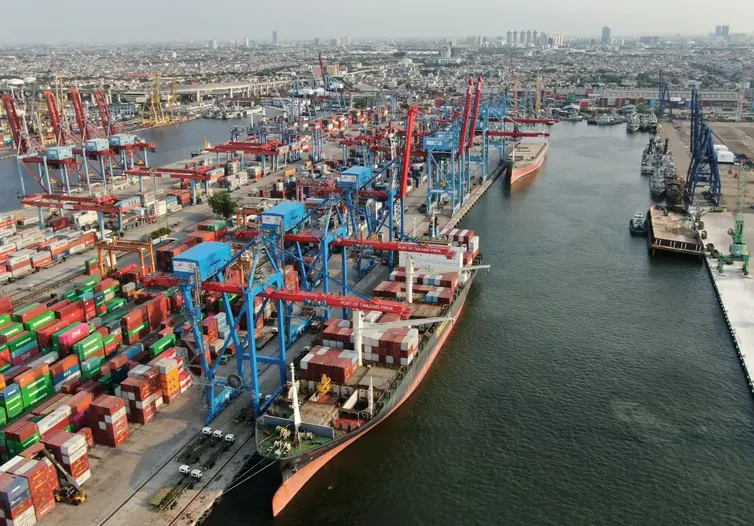
Erbil is the capital of the Kurdistan Region of Iraq and the main center for its government, business and international presence. Energy companies, oilfield service providers, development organizations and consulates operate from the city, and many local companies grew up supplying them with equipment, transport, catering, accommodation, construction and staff. Real estate developers have built residential compounds, towers and commercial centers, and hotels and restaurants serve business visitors as well as local customers. Erbil's international airport connects the city to the region and beyond.
Trade with Turkey is a defining feature of the local economy. Consumer goods, building materials and equipment commonly arrive overland from Turkey through the northern border crossings, while other goods come from Iran, the Gulf and further afield. Importers and distributors in Erbil then supply retailers and contractors across the region.
Topics that apply across Iraq, including project costing, separate entities for the Kurdistan Region and federal Iraq, dinar and dollar accounts and connectivity, are explained on my Iraq ERP consultant page, so the sections below deal only with what Erbil companies bring to an ERP project.
Companies that supply international energy operators, contractors and development organizations work under contracts with detailed requirements. Invoices may need to reference purchase orders, contract lines and cost codes. Service tickets or timesheets must support every labor charge. Clients may ask for proof of purchase, delivery notes, insurance certificates, staff qualifications and evidence of compliance with their policies. Payment can be delayed by a single missing document.
I start by collecting what each major client actually requires and turning it into system requirements. The ERP should link the client's purchase order to the job, the people and equipment assigned, the timesheets or service tickets as evidence, and finally the invoice, with supporting documents attached at each step. Staff records hold qualifications and expiry dates, and equipment records hold inspection and maintenance history. The service management and field service pages explain the related workflows.
With that structure in place, an invoice package can be assembled from the system instead of from folders and email. That should shorten the time between finishing work and getting paid, and gives clients more confidence during their audits.
Erbil importers often buy from suppliers in Turkey who may quote in US dollars, euros or Turkish lira, while selling locally in US dollars or Iraqi dinars. Goods travel by truck through border crossings, with transport, clearance and handling charges collected along the way by different parties. Some importers also hold goods in bonded or transit storage before final delivery.
I map the full import cycle: purchase order, supplier advance, loading, transport, border clearance, arrival at the warehouse, landed cost allocation, sale and collection. Each step gets a responsible person and a defined set of documents. Your accountant agrees the currency rules for purchases, sales and revaluation so margins reflect real costs rather than supplier prices alone. My trading ERP page covers the wider flow, and logistics ERP covers transport.
Customs procedures and fees can differ between crossings and change over time, and some arrangements may be administered by Kurdistan Region authorities rather than federal bodies. I do not advise on those rules. Your clearing agent and advisors confirm them, and the ERP is configured so every charge and document has a place and can be traced later.
Erbil's real estate developers sell apartments, villas, shops and offices, often before construction is complete and with payment schedules spread over the build period. They need unit inventory with status, reservation and contract records, payment schedules and collection tracking, along with construction costs by project, building and phase. After handover, some developers also manage service charges, maintenance and leasing. I design these flows together so sales, construction and finance work from the same data. The real estate ERP page covers the wider process.
Hotels and restaurant groups face different questions. A hotel's property management system handles rooms, reservations and guest folios, while the ERP handles purchasing, stores, food and beverage costing and accounting. Restaurants need recipes, central purchasing, outlet stock and point-of-sale integration. I define the boundaries, the daily revenue posting and the stock flows, so management sees margin by outlet and department. The hotel ERP page explains the typical setup.
In both sectors, I keep the design proportionate to the size of the team, so it can be run reliably without adding staff the business does not have.
Erbil follows Iraq's time zone, a few hours behind India, so live sessions sit comfortably in your morning. Discovery starts with a short call for each function, such as contracts, procurement, warehouse, property sales or hotel operations. Drafts of process maps and requirements follow in a shared space, and a running log lists every agreed point so managers, partners and clients see the same version.
The engagement runs in English, which many Erbil companies already use with international clients. Where documents, screens or training material need Kurdish or Arabic, bilingual colleagues on your side, or a local partner, write or check that text, and I set out the fields and layouts behind it. Regional rules on registration, tax and labor may differ from those in other parts of Iraq, so I log them as open points for your advisors instead of making assumptions.
Go-live begins with whichever entity or unit has the clearest processes, and others follow once it is stable. A visit to Erbil for a kickoff or review can be planned ahead where practical. Central Iraq is covered on my Baghdad ERP consultant page, and the Iraq hub has the wider picture. Write to me once you would like to compare notes.

Tell me about your business and current systems. I’ll suggest the most sensible first step.
Book a Consultation
Not sure which ERP you need?
Share your business requirements with me and I will help you understand the right process, architecture and platform before implementation.
FAQ
No. I am an independent consultant who delivers engagements entirely online, using video sessions, shared drafts and recorded walk-throughs, and our working hours overlap well. A visit for a kickoff or review in person can be talked through and planned ahead where practical, though the engagement is designed not to need one.
Yes, if the requirements are captured first. I document each client's demands for purchase order references, cost codes, timesheets, tickets and supporting documents, then design the system so those records are linked to every invoice. The package can then be generated from the system instead of assembled by hand.
The engagement runs in English. I specify which documents need Kurdish, Arabic or English and how each layout should work, and your bilingual staff or a local partner write or check the local-language text and lead training for users who prefer it. Platform support for each script is tested during demonstrations.
They can affect registrations, tax handling, labor records and some trade procedures, and the details may differ from those in federal Iraq. Legal and tax advice is outside my scope. I list the questions, your advisors confirm the answers, and the setup follows whatever they confirm, usually with a separate entity for each jurisdiction.
Every business is different. Share where you are today and what you want to fix, and I’ll tell you honestly whether and how I can help.
Book a Consultation
Insights
 Book a Consultation
Book a consultation to talk through your processes, systems and goals. I’ll reply with practical next steps - no obligation.