Contact Info

 International SEO
What does international SEO involve for a Danish company?
International SEO for a Danish company means choosing which foreign markets get dedicated pages and making each version findable by the right audience. My remote work covers market scoring, German pages written for German buyers, Nordic, UK, Greenland and Faroe versions, hreflang and canonical rules, currency pages and reporting by market in Search Console, Bing and your CRM, with no ranking promises.
Last reviewed by Vikas Saroj
For many Danish businesses the biggest foreign audience sits just south of the border. German buyers source from Danish manufacturers, German families book Danish holiday homes, and German shoppers order from Danish webshops. Sweden, Norway, the UK and the Netherlands follow, and some companies also serve Greenland and the Faroe Islands. Each audience searches differently and expects different information on the page.
Working independently and remotely, I help Danish businesses decide which markets get their own pages, how versions are structured and annotated, what localization each one needs and how every market's leads are counted, from first search impression to closed order.
The engagement runs in English. Native speakers produce the German, Swedish or Norwegian wording, either colleagues of yours abroad or a partner agency there.

 What I Do
Each market gets a reason to exist, a defined audience and a way to measure whether it pays off.

Germany, Sweden, Norway, the UK, the Netherlands and smaller markets compared on search demand, current inquiries, delivery capacity and sales coverage before any translation budget is spent.

Research and briefs for German pages written for German buyers, covering their terms, the level of detail they expect, payment preferences, trust signals and the legal pages a German site needs.

A full list of versions, such as da-DK, de-DE, sv-SE, nb-NO, en-GB and island variants, with hreflang, canonicals and an x-default specified for your developers.

Prices in kroner, euros, Swedish or Norwegian kroner and pounds on their own URLs, with delivery, duty and returns details per market and structured data that matches.

IP and browser-language rules reviewed so German, Danish and Nordic versions remain reachable for crawlers and travelers, using suggestion banners in place of forced redirects.

Search Console and Bing Webmaster Tools data, analytics segments and CRM fields organized by market and language, so every country can be compared on the inquiries and orders it brings.
How I Work
Pick markets on evidence
 Demand in each language
CRM inquiries by country
Delivery and duty review
Agreed market order
Demand in each language
CRM inquiries by country
Delivery and duty review
Agreed market order
Build versions buyers trust
Native-writer briefs
Version and hreflang map
Currency and legal pages
Selector and redirect rules
Track each market separately
Right version per country
Search Console and Bing data
CRM pipeline by market
Next market decision
Germany is the obvious candidate for many Danish companies, but obvious is not the same as ready. Before committing, I compare candidate markets using your own data and local research:
Inbound demand often tells a story too. Search Console may show German impressions on Danish pages for holiday homes, attractions, design products or food, which means German visitors are already looking and landing on a page they may not be able to read. Tourism and leisure businesses in particular can have a German audience larger than their Danish one at certain times of year.
B2B exporters face a different pattern: German engineers and buyers search for specifications and suppliers in German and expect detailed, formal pages. An English page may get them partway, but a German section usually earns more trust.
The scoring produces a rollout order and the criteria for adding the next market. The method is laid out under international SEO strategy.
German pages produced by translating Danish copy tend to read as exactly that. German buyers search with their own vocabulary, often long compound nouns that have no direct Danish equivalent, and they expect a different level of detail: specifications, delivery conditions, payment options, certifications and clear contact information.
My briefs for German native writers include:
Under German rules, commercial sites typically publish an imprint with company and contact details, alongside consumer information and privacy notices that meet local expectations. Your legal advisor should confirm what applies and draft it; I make sure those pages exist in the right language version and are linked where visitors look for them.
Decide early whether German pages target Germany alone or all German speakers. If Austrian and Swiss buyers see different prices or shipping, separate de-AT or de-CH versions may be justified; otherwise one de version can serve them. Some German users also choose search engines that draw on Bing's index, so checking Bing Webmaster Tools alongside Search Console is sensible for this market.
Greenland and the Faroe Islands are part of the Danish Realm but self-governing and outside the EU, with their own rules for customs, taxes and delivery. Danish companies serving them often treat them as an afterthought on a Danish page, which leaves buyers there unsure whether an offer even applies to them.
Whether those markets need full versions depends on volume. Many companies only need a well-structured page per territory explaining delivery, pricing, duties and contact routes, written in Danish and linked from the main site. Where a full version is justified, codes such as da-GL, kl-GL, da-FO and fo-FO let you target by language and territory, with local-language text from native speakers. Customs and tax questions belong with your advisors.
Sweden and Norway are a different case. Their languages are close enough to Danish that some companies publish lightly adapted text, but buyers search with their own words and notice copy that reads as Danish. Each market needs:
Showrooms or service points in these markets should each have a Business Profile listing written in the local language. The general localization method is on my international SEO page.
A Danish company going abroad can add subfolders to one domain, run country domains such as a .de address, or mix the two. Some German buyers respond well to a .de domain, but each extra domain builds authority separately and needs its own maintenance. I recommend one structure after weighing your team, brand and how different each market's offer will be, and I document it so new markets follow the same pattern.
Implementation details then decide whether it works:
| Element | What to get right |
|---|---|
| Hreflang | Every version lists all siblings and itself, using codes that match the content |
| Canonicals | Each version points to itself, never across markets |
| Currency | One currency per URL, not swapped by cookie or location |
| Selectors | Real links between equivalent pages, not a script that reloads the homepage |
| Redirects | Suggestion banners instead of forced IP redirects, which can hide versions from crawlers that mostly use US addresses |
Multi-store commerce backends often break one of these by default, for example by falling back to Danish text on a German URL. The template-level checks are covered on my technical SEO page for Denmark, and multi-currency bookkeeping behind the shop on the Denmark ERP consultant page.
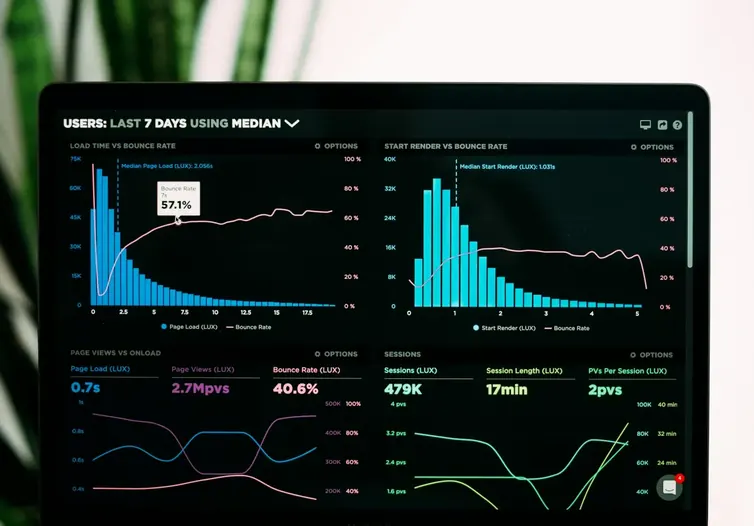
A combined traffic graph cannot tell you whether Germany is working. From launch, each market gets its own view:
Those figures show where localization is thin and whether a further country is worth the effort. Foreign markets bring their own competitors and history, so rankings and traffic there are never guaranteed. My commitment is narrower and more useful: correct targeting for every version, and plain reporting on what each one earns.
Calls and reviews fit the Danish working day, and the whole engagement is remote. Domestic keywords and map results sit on my SEO page for Denmark, and the Danish market overview lists everything else. If a new country is on your plan, send me a note.

Tell me about your business and current systems. I’ll suggest the most sensible first step.
Book a Consultation
Not sure which ERP you need?
Share your business requirements with me and I will help you understand the right process, architecture and platform before implementation.
FAQ
It can help trust with some German buyers, but it means a separate domain to build authority for, maintain and measure. A German subfolder on your main domain is easier for a small team and can also perform well when the content is genuinely German. I weigh your team size, brand plans and how different the German offer is before recommending one.
Usually not full versions. A clear page per territory explaining delivery, prices, duties and contact routes often serves buyers better than a duplicated site. If demand and sales justify more, versions with codes such as da-GL or fo-FO can be added. Customs and tax rules for both territories should be confirmed with your advisors.
Only if the writers are native German speakers working from German keyword research. Translation by Danish staff with good German tends to miss the terms buyers actually search for and the tone they expect. I provide briefs that list the German terms, questions and page requirements, so whoever writes has a clear target.
Yes. Holiday and leisure visitors search for seasonal, practical information: availability, prices, directions, opening times and what is nearby. Their pages need German text, euro prices where you accept them, clear booking routes and a Google Business Profile with German details. B2B planning would look quite different, with specifications and formal content.
Every business is different. Share where you are today and what you want to fix, and I’ll tell you honestly whether and how I can help.
Book a Consultation
Insights
 Book a Consultation
Book a consultation to talk through your processes, systems and goals. I’ll reply with practical next steps - no obligation.