Contact Info

 International SEO Oman
How does international SEO help businesses in Oman?
International SEO helps Omani exporters, port and logistics firms and tourism businesses reach people searching from other countries. Working remotely, I score export markets on evidence, structure export and visitor sections, set ar-OM and en-OM hreflang alongside language-only ar and en versions, plan rial pricing and quote routes, replace IP redirects with banners and report inquiries by market.
Last reviewed by Vikas Saroj
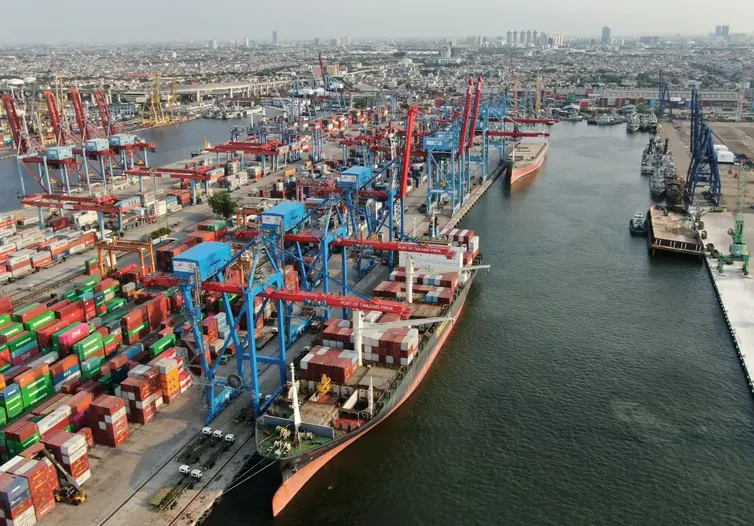
Oman's position on the Arabian Sea gives many of its businesses an outward-facing audience. Logistics firms around Sohar, Duqm and Salalah serve shipping lines and traders from several continents. Manufacturers and food producers sell into neighboring Gulf states, East Africa and South Asia. Hotels and tour operators welcome visitors from the Gulf during the Khareef season in Dhofar and from Europe in the cooler months. Each of these audiences searches from somewhere else, in its own language.
I help Omani organizations reach them, remotely and as an independent consultant, by planning which markets and languages the website should address, how versions are declared, what each one must contain and how results are measured per market. Search within Oman, including local profiles and Omani keyword research, is covered on the Oman SEO consultant page.

 What I Do
For exporters, port and logistics businesses, and tourism operators whose customers start their search outside Oman.

Candidate markets compared on search demand, inquiries already arriving, distributor or agent coverage, shipping practicality and the language effort required, so the website targets markets the business can actually serve.

Structure for an international buyer section, whether a folder on the main domain or a separate export site, with product, capability and compliance pages written for importers rather than local customers.

Planning Arabic pages for visitors from Saudi Arabia, the UAE, Kuwait and beyond, covering what they search for before a trip, written by native writers and declared with the right language codes.

A matrix of ar-OM and en-OM for domestic pages, language-only ar and en for regional and international versions, and an x-default, with reciprocal annotations and self-canonicals checked after launch.

Deciding where rial prices belong, where international buyers need a request-for-quote route instead, and how quote forms capture country, product and volume so the right person replies.

Search Console views per country, analytics segments by language and CRM fields for market of origin, so export and tourism inquiries can be judged against the effort each market takes.
How I Work
Where interest already comes from
 Country data in Search Console
Inquiry origins in the CRM
Distributor and agent coverage
Existing site structure
Country data in Search Console
Inquiry origins in the CRM
Distributor and agent coverage
Existing site structure
Sections, languages and codes
Export and visitor sections
Hreflang matrix
Writer briefs per audience
Quote and pricing flows
Market by market
Launch checks
Visibility by country
Inquiries by origin
Next-market decision
An Omani manufacturer of building materials, a fish processor, a mineral producer or a logistics company at one of the ports may sell most of its output to buyers who have never been to the country. Those buyers search for suppliers by product, specification and origin, often in English, sometimes in Arabic or another language, from desks in other Gulf states, East Africa, South Asia or further away.
A domestic website rarely serves them well. It is usually written for local customers, lists Omani branches and assumes the reader knows the country. International buyers want different things: product specifications and standards, packaging and minimum order information, shipping options and lead times described in general terms, documentation and certificates, and a clear way to request a quote.
The first step is evidence. Search Console often shows impressions from countries the business has never targeted, and inquiry records show where export interest already comes from. I compare those signals with where you have agents, distributors or shipping routes, and with the language effort each market would take. That produces a short list of markets worth dedicated content and a longer list that a good international English section can serve. The scoring method follows my international SEO strategy work.
Once the audience is clear, the structure follows. Omani exporters typically choose between three arrangements:
Whichever model fits, a few rules hold. Export pages should be written for importers rather than translated from domestic pages. Each version needs its own crawlable URLs. Hreflang should mark the domestic pages as ar-OM and en-OM and the international section with language-only codes such as en, so search engines understand that one version is for Oman and the other for everyone else. Implementation rules sit under international SEO, with template-level checks for Arabic and English versions on the Oman technical SEO page.
Tourism adds a different international audience. During the Khareef season, Dhofar draws visitors from across the Gulf, many of whom research accommodation, routes and activities in Arabic before they travel. In the cooler months, visitors from Europe and elsewhere plan trips to Muscat, the mountains, the desert and the coast in their own languages.
For a hotel, resort, tour operator or attraction, that means planning by language rather than by country:
Content for visitors needs to answer the questions people ask before a trip: how to get there, what is included, what the season is like, what to bring and how booking and cancellation work. Native Arabic writers who know Gulf travelers, in your company or at an agency you appoint, produce the Arabic pages from briefs I prepare; the engagement runs in English. Google Business Profiles matter here too, since international visitors often see them first; descriptions and photos should make sense to someone who has never visited.
Pricing on an international site needs a deliberate approach. The Omani rial uses three decimal places, which surprises some foreign visitors and occasionally breaks price formatting in templates, feeds and structured data. For domestic and tourism pages, prices in rials, formatted correctly, are usually the clearest option. For export buyers, published prices are often less useful than a well-designed request-for-quote route, because price depends on volume, destination and terms.
Three rules help:
Automatic redirects based on IP address cause more harm than help for audiences like these. A Saudi visitor researching from Riyadh may want the Arabic visitor pages, while a buyer in Dubai may want the export section; IP detection cannot know either. Search engine bots arrive from foreign IP addresses as well, so every version must stay reachable through plain links. I recommend a suggestion banner with a remembered choice and visible links to each version.
Legal and policy pages, such as booking terms, export terms and privacy notices, may need versions for different audiences. Their content belongs with your legal advisor; I make sure each version links to the correct ones.
Export and tourism inquiries from a given country may be infrequent but valuable, so measurement has to avoid two traps: overreacting to small numbers and judging markets by traffic alone. I set up reporting that looks at the right signals over sensible periods:
The CRM link matters most. If quote forms do not record where the buyer is, nobody can tell whether a new export section is producing real business or only visits. Connecting forms to CRM fields is part of my broader work on business systems, and it decides which market deserves the next round of effort. I do not promise rankings or inquiry volumes.
Delivery is remote and scheduled around Oman business hours; a visit can be agreed separately if a workshop needs it. The Oman overview describes my other services, and the Oman ERP consultant page explains how order and quote data can flow into your ERP.

Tell me about your business and current systems. I’ll suggest the most sensible first step.
Book a Consultation
Not sure which ERP you need?
Share your business requirements with me and I will help you understand the right process, architecture and platform before implementation.
FAQ
Often yes, as an export folder on the main domain, which shares authority and is easier to maintain. A separate export site makes sense when the export brand, products or audience differ sharply from the domestic business. I compare both against your resources and how buyers abroad know you.
If the pages are written for visitors from several Gulf countries, a language-only ar code is usually right. ar-OM signals content meant for people in Oman. Domestic Arabic pages can keep ar-OM, with reciprocal annotations linking each equivalent version and an x-default for everyone else.
It depends on how you sell. Where prices vary by volume, destination and terms, a clear request-for-quote route with useful specifications often works better. Where prices are fixed, publish them in a consistent currency on their own URLs, and avoid changing currency on one page by visitor location.
People who grew up with the language and know the audience write it, whether they are your own staff or freelancers and agencies you hire. My side of the engagement runs in English: market research, briefs listing the questions each audience asks, and a technical check of the published pages, from titles and hreflang to internal links.
Every business is different. Share where you are today and what you want to fix, and I’ll tell you honestly whether and how I can help.
Book a Consultation
Insights
 Book a Consultation
Book a consultation to talk through your processes, systems and goals. I’ll reply with practical next steps - no obligation.