Contact Info

 Australian Clinics
What can a clinic ERP consultant do for Australian practice groups?
For groups of medical centers, dental practices and allied health clinics in Australia, I design the business system behind the practice software: service fee and contractor arrangements, Medicare, health fund and patient money reconciled by clinic, memberships and class packs, GST coding, consumables and clinic profitability. I map current processes, turn them into requirements, weigh up platforms with no vendor ties and stay involved through delivery, working remotely in your time zone.
Last reviewed by Vikas Saroj
Australian clinic groups often look simple from the outside and complicated from the finance office. A medical center may host contracted GPs who pay a service fee, a dental group may combine employed dentists with contractors, and an allied health business may sell physiotherapy, exercise physiology and pilates class packs across several sites, with money arriving from Medicare, health funds, NDIS plan managers and patients.
I help owners, practice managers and CFOs build a back office that reflects those arrangements accurately. I begin with the agreements and money flows, write them down as requirements, and only then compare platforms and plan implementation.
Bookings, clinical notes and claiming stay in your practice management software, which is designed for that work and holds the patient data.
 What I Do
I size the solution to your group, whether that is a connected accounting stack or a full ERP.

How fees collected on behalf of contracted practitioners are recorded, what the practice retains as a service fee, and how statements to each practitioner are produced and checked.

Medicare deposits, on-the-spot health fund claims, DVA, NDIS and workers' compensation payments matched to the practice software by clinic, with unmatched items owned by someone.

Class packs, treatment bundles and dental membership plans tracked as unearned revenue, redeemed across sites and reported with clear rules for expiry, transfers between clinics and refunds.

A service and product list carrying the GST treatment confirmed by your tax agent, so practice software, ERP and BAS preparation use the same codes.

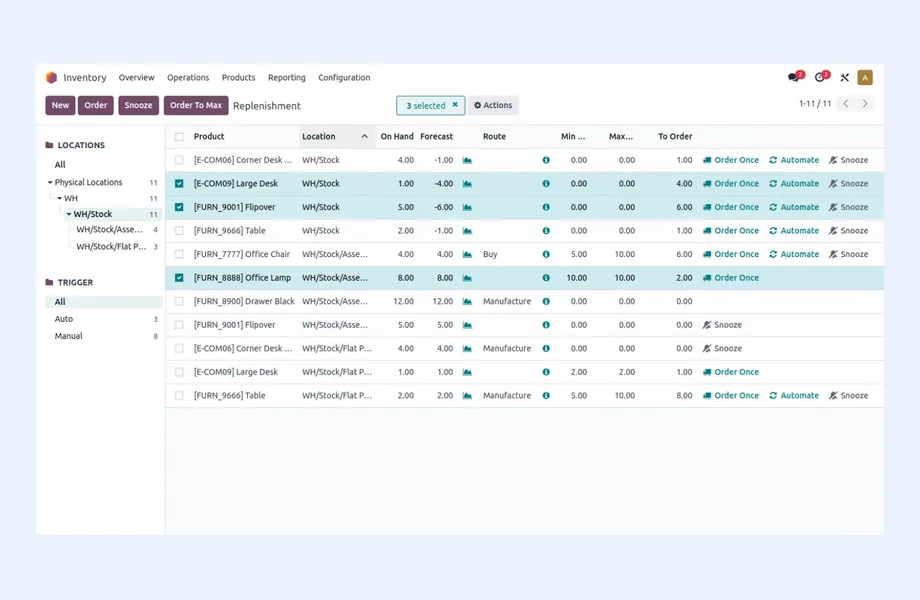
A shared catalog, preferred suppliers, par levels by clinic, and batch and expiry capture for injectables, dental materials and any other items your clinical lead nominates for tracking.

A standard path for bringing an acquired practice into the group, from account mapping and practitioner agreements to supplier accounts and the first month-end on group systems.
What to Measure
An ERP for clinics should make these numbers available without a spreadsheet. I design the data model and reports around them from the start.
Platform Fit
How I Work
Agreements, funders and clinics
 Practitioner arrangement review
Funder and deposit tracing
Pack and membership rules
Clinic close walkthroughs
Practitioner arrangement review
Funder and deposit tracing
Pack and membership rules
Clinic close walkthroughs
Requirements and clinic template
Clinic and entity structure
Statement calculation rules
GST code list
Platform demo scenarios
Pilot clinic and wider rollout
Pilot clinic cutover
Parallel practitioner statements
Staged clinic rollout
Group dashboards
Many Australian medical centers and some dental and allied health groups engage practitioners as contractors rather than employees. A common model has the practice collect patient fees and Medicare benefits on the practitioner's behalf, keep an agreed service fee for rooms, staff and administration, and pay the balance to the practitioner. Other groups employ some clinicians, pay sessional rates to others and run a mix of both after acquisitions.
How these arrangements are recorded matters. Is the money collected treated as the practitioner's or the practice's? Is the service fee invoiced to the practitioner, and with GST? How are refunds and Medicare rejections handled in the statement? State revenue offices have looked closely at whether payments under some of these arrangements attract payroll tax, so the documentation and the accounting need to match the agreements your advisors have reviewed.
I do not decide those questions; your accountant and lawyer do. What I deliver is a design in which each arrangement is written as a rule, statements are produced from practice software data, the ledger reflects the agreed structure and every figure can be traced. That makes advisor reviews easier and practitioner queries quicker to answer.
On a single day an Australian clinic can be paid in several ways. Bulk-billed consults are paid by Medicare later. Privately billed patients pay at the desk and may claim a rebate themselves. Patients with extras cover have their health fund benefit claimed on the spot through a payment terminal and pay the gap. DVA, NDIS plan managers, self-managed participants and workers' compensation insurers each pay on their own schedule.
Claiming belongs to the practice software and the terminals connected to it. The finance problem is what arrives in the bank: batched deposits from Medicare and funds, card settlements net of fees, and third-party payments that cover many patients at once. If the ledger only sees a monthly revenue journal, unmatched deposits and short payments sit unnoticed.
I design a summary from the practice software by clinic, funder type and period, plus a matching routine for each deposit stream. Clearing accounts make the timing visible, and short payments or rejections are assigned to someone for follow-up. Owners can then compare clinics on collected income and see where revenue is waiting, without any patient detail entering the ERP.
Allied health groups increasingly sell clinical pilates and exercise class packs, rehabilitation programs and memberships, while dental groups offer membership plans for patients without extras cover. These are paid in advance and used over weeks or months, often at more than one site. Recording them as revenue on the day of sale overstates the selling clinic and leaves no record of what is still owed to patients.
I design packs and memberships as unearned revenue that is released when sessions are attended, ideally to the clinic that delivered them, with rules for expiry, transfers and refunds that your accountant has approved.
GST is the other touchpoint. Many health services are GST-free when supplied by recognized professionals, while cosmetic treatments, retail products and some classes or programs may be taxable depending on how they are delivered and by whom. A pack that mixes both needs careful coding. Each item's treatment is a decision for your tax agent; I turn that into a code list used consistently by the practice software and the ERP, with test cases for UAT so the first BAS on the new system holds no surprises.
Allied health and dental groups in Australia frequently grow by buying established practices. Each one arrives with its own Xero or MYOB file, its own supplier accounts and its own practitioner arrangements. Without a standard path, the group ends up running several accounting styles side by side for years.
My rollout template sets that path: practice code and any entity changes, account mapping to the group structure, practitioner arrangements captured in the agreed format, funders and terminal settlements connected, supplier accounts moved to group terms, consumables catalog and par levels assigned, and a closing checklist for the first month on group systems. The pilot practice tests it, and I refine it before the next acquisition.
Consumables range from tape, dressings and exercise equipment to dental materials and, in cosmetic practices, injectables that need batch and expiry tracking. Interstate freight and supplier minimum orders make central purchasing worth designing carefully. Registration of practitioners with the national regulator and other compliance duties stay with your clinical leads; the template simply records who owns them.
Most groups I speak with run Xero or MYOB, practitioner statements in spreadsheets and stock counted by hand, if at all. Sometimes better integrations around the existing accounting system are enough; larger groups usually need an ERP with purchasing, stock and multi-entity reporting. I test Odoo, Zoho, ERPNext and Business Central on your scenarios, including a service fee statement and a mixed GST pack.
Health information is sensitive under Australian privacy law, so interfaces carry clinic codes, funder types, practitioner references and amounts only. Your privacy officer reviews the flows and the hosting location of shortlisted platforms.
All sessions are remote, booked to suit whichever state your head office sits in, and recorded for practice managers who are with patients. See also ERP for clinics, the Australian healthcare ERP page for private hospitals and larger providers, my ERP consulting page for Australia, the Australia hub and data migration for moving several Xero or MYOB files into one structure.

Tell me about your business and current systems. I’ll suggest the most sensible first step.
Book a Consultation
Not sure which ERP you need?
Share your business requirements with me and I will help you understand the right process, architecture and platform before implementation.
FAQ
Yes, once each arrangement is written as a rule and the practice software exports fees and Medicare benefits by practitioner reliably. I test statements against past months. The structure of the arrangement itself, including any payroll tax exposure, is reviewed by your accountant and lawyer.
I design a summary from the practice software by clinic and funder type, then a matching routine for each deposit stream through clearing accounts. Unmatched or short payments are listed for follow-up, so finance is not reconciling everything at month-end.
Usually they are treated as unearned until sessions are used, but your accountant decides the policy. I design the practice software and ERP so the policy is applied consistently, with outstanding balances visible by clinic and redemptions credited to the site that delivered the session.
Yes. I plan a target structure first, then map each file into it, deciding what history to bring across and what to keep archived for reference. Combining files without an agreed structure tends to carry old inconsistencies straight into the new system.
Every business is different. Share where you are today and what you want to fix, and I’ll tell you honestly whether and how I can help.
Book a Consultation
Insights
 Book a Consultation
Book a consultation to talk through your processes, systems and goals. I’ll reply with practical next steps - no obligation.