Contact Info

 Adelaide
What can a GEO consultant change for an Adelaide business?
A GEO consultant works on the material AI assistants draw on when they describe or recommend a business. For Adelaide firms, few sources may exist, so one outdated article or listing can shape the answer. The work also covers what defense suppliers can safely publish, accurate provenance for South Australian food, and separating businesses that share a family name. The work is remote, and being cited can never be promised.
Last reviewed by Vikas Saroj
When someone asks an AI assistant about an Adelaide supplier, producer or service, the answer is built from whatever the assistant can find, and for many local businesses that is not much: a website, a few directory listings, an industry profile and perhaps an old news story. With so few sources, one outdated or confused page can carry a lot of weight.
I work remotely with Adelaide businesses to improve that material: clear facts on your own site, corrections where others have it wrong, careful publishing for defense suppliers, accurate provenance for food producers and clean separation from namesakes. The aim is accurate description and fair citation, and inclusion in any answer is never something I can promise.
 What I Do
Each piece of work changes the sources an assistant can draw on, which is the only real lever any business has.

I record which pages assistants cite when asked about your business and category, then list each source's errors, age and owner, so corrections go where they will make the most difference.

A plain page with your legal and trading names, locations, services, ownership and history described in words, kept current by a named person and linked from every profile you control.

For defense and space suppliers, a public capability description agreed with your security officer: processes, materials, size ranges and sectors served, with program details and controlled information left out.

For seafood, honey and produce businesses, pages stating where products are grown, caught or packed and how, written so a quoted passage keeps its place names and conditions intact.

When another business shares your family name, distinct naming, structured data, profile links and a specific history page help assistants keep the two apart without disparaging anyone.

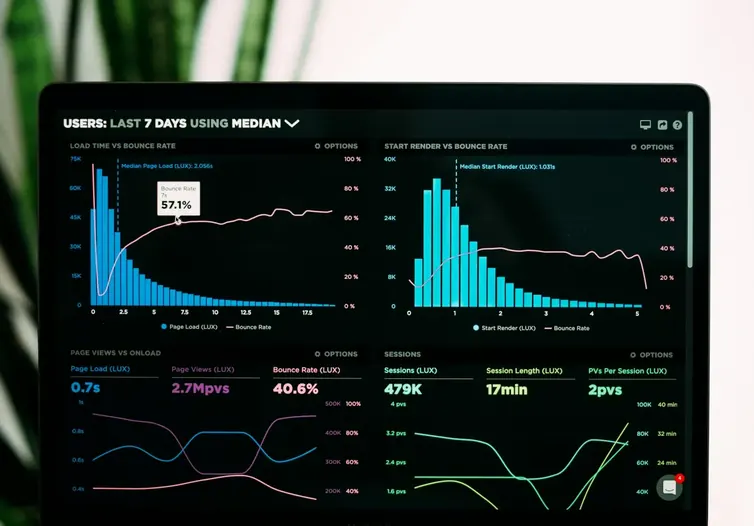
A fixed set of realistic questions, repeated at agreed intervals across the assistants your buyers use, with sources, quoted passages and errors logged so progress is measured honestly.
How I Work
Find the sources behind answers
 Realistic local prompts
Cited sources recorded
Errors and gaps listed
Owner of each source
Realistic local prompts
Cited sources recorded
Errors and gaps listed
Owner of each source
Fix your pages and others
Current facts page published
Third-party corrections requested
Capability and provenance pages
Structured data aligned
Rerun the same questions
Scheduled prompt reruns
Source changes logged
New errors flagged early
Pages updated by fact owners
Large companies are described by a crowd of sources. Many Adelaide businesses are described by a handful, and AI assistants have to work with whatever exists. If the most detailed page about your company is an old news story about a funding round, a dispute or a product you no longer sell, an assistant may lean on it heavily, simply because little else says as much.
The work starts with an inventory. I ask the questions a buyer might ask, about your business by name and about your category in Adelaide, across the assistants your customers use, and record which sources each answer relies on. Each source is then listed with its age, its errors and who controls it: your own site, a directory you can edit, an association you belong to, or a publisher you can only ask.
Fixes follow in that order. Your own site gets a clear, current facts page and updated descriptions. Directory and association listings are corrected. Publishers are asked politely to add an update where an article is now misleading, although they may decline. Newer, better sources then give assistants something more accurate to cite, which is a slower but more durable remedy than chasing any single answer. For the method behind keeping facts aligned everywhere, see entity SEO.
Suppliers around Edinburgh, Mawson Lakes, Osborne and Lot Fourteen often say very little online, for good reasons. Program details, customer identities and anything touching controlled technology must stay private. The result, though, can be an AI answer that describes the company vaguely, confuses it with a prime contractor or a parent company, or leaves it out when someone asks which South Australian firms can do a particular kind of work.
A publishable capability statement solves much of this. Agreed with your security officer, and with your export control advisor where relevant, it describes your processes, materials, size ranges, the quality and safety systems you genuinely operate, the sectors you serve and the location of your facility at suburb level. It avoids program names unless the customer has approved them, and it never includes technical detail that needs protection. Industry capability directories and your own profiles should repeat the same facts in the same words.
Written as standalone passages, these facts quote cleanly, so an assistant asked about precision machining, cable harnesses or electronics assembly in Adelaide can describe you accurately. What assistants say about the defense industry in general is beyond any supplier's control, and the aim is accuracy rather than visibility at any cost. The technical SEO page for Adelaide covers firewall settings that can block crawlers altogether.
Place names sell South Australian food. Coffin Bay oysters, Spencer Gulf prawns, Port Lincoln tuna, Kangaroo Island honey and Adelaide Hills fruit all carry weight with buyers here and overseas. AI answers repeat those names freely, sometimes attaching them to products grown or caught elsewhere, or describing a producer's methods and seasons inaccurately.
Producers can make accurate answers easier. A provenance page states where the product is grown, caught or packed, how it is produced, when it is in season and how it reaches buyers, with each fact written so a quoted passage keeps its place name and conditions intact. Retailers, distributors and export customers receive the same wording for their listings, which reduces the drift that happens when each one writes its own description.
Origin claims are covered by consumer law and labeling rules, and some names may be protected as trademarks or through industry schemes in ways your advisor should check before you rely on them. GEO cannot police how others use a place name, but it can make sure the most quotable account of your product is your own and that it is correct. Seasonal and harvest facts get a fact owner who updates them when conditions change. The national GEO consultant page covers evidence and findings pages in more depth.
Many of the families who settled the Barossa and parts of the Adelaide Hills left surnames that still appear on wineries, butchers, bakeries, builders and farms, often belonging to unrelated businesses in neighboring towns. People who live there know the difference. AI assistants may not, and can merge two businesses that share a surname, credit one with the other's history or awards, or give one firm's address for the other.
Separation starts with your own signals. Use your full trading name with your town consistently, describe your history in specific terms on an about page, and mark up your organization with structured data that links to your official profiles. Where confusion is real, a short, neutral note that you are not connected with a similarly named business can help readers and assistants alike, as long as it never disparages the other party.
I then check which sources mix the two businesses, such as directories, event listings or old articles, and request corrections where possible. Both businesses benefit when assistants tell them apart, so a cooperative approach tends to work better than a complaint. Progress shows up in the prompt panel as answers that name the right business for the right town. The AI Overview SEO page explains how search features summarize businesses and other entities.
Local questions about Adelaide businesses are asked less often than national ones, so measurement has to be patient. I build a fixed panel of realistic prompts: your business by name, your category in Adelaide or South Australia, comparisons a buyer might request, and questions about your products' origins or capabilities. The same prompts are rerun at agreed intervals in the assistants your customers use.
Each run records whether live search was involved, which sources were cited, whether your pages appeared, the passage quoted and any errors. Over time the log shows whether old sources are losing influence and new ones are being picked up. Changes in the assistants themselves are noted, so a sudden shift is not mistaken for the effect of your own work.
The limits are real. No one controls how assistants select sources, and being cited can never be promised. What a business can control is the accuracy, clarity and consistency of the material available about it, and that is where the effort goes. Search engine optimization and GEO share much of the groundwork, which the Adelaide SEO consultant page covers, and the generative engine optimization service describes the full method.

Tell me about your business and current systems. I’ll suggest the most sensible first step.
Book a Consultation
Not sure where growth is leaking?
Share your goals and current funnel with me. I will look at search, ads and CRM data together and tell you where the next lead is most likely to come from.
FAQ
It can be, because an assistant with few sources leans heavily on whichever exist, including outdated ones. Start with a clear facts page on your own site, correct the listings you can edit and ask publishers to update misleading articles. Newer, accurate sources then give assistants something better to cite.
Typically your processes, materials, size ranges, the quality and safety systems you operate, sectors served and a suburb-level location, all agreed with your security officer and, where relevant, your export control advisor. Program names need customer approval, and controlled technical detail never goes online. Consistent wording across your site and directories helps assistants describe you accurately.
Publish a provenance page stating where the product is grown, caught or packed, how and when, in passages that keep place names and conditions together. Give retailers and distributors the same wording. Your advisor should check any origin or place-name claims first, since consumer law and labeling rules apply.
Use your full trading name with your town everywhere, describe your history specifically and add structured data linking your official profiles. A short, neutral note that you are not connected can help where confusion is real. Then ask directories and listing sites that merge the two businesses to correct their entries.
Every business is different. Share where you are today and what you want to fix, and I’ll tell you honestly whether and how I can help.
Book a Consultation
Insights
 Book a Consultation
Book a consultation to talk through your processes, systems and goals. I’ll reply with practical next steps - no obligation.