Contact Info

 United States
How does a digital transformation consultant help a US company?
For a small or mid-sized US company, a digital transformation consultant decides the order in which process fixes, data cleanup, ERP, CRM, automation, reporting and website work happen, so each step builds on the one before. I map how work runs across your states and entities, agree owners, then sequence a roadmap around real constraints such as payment changes and state rules. The work is remote, independent and free of vendor commissions.
Last reviewed by Vikas Saroj
Many US companies arrive at transformation through a single frustration: a finance team buried in exports, a sales team that cannot see order status, or a payables routine that still depends on paper checks and manual bank uploads. Each problem seems to call for its own app. Bought one at a time, those apps tend to become the next layer of disconnected data.
I advise small and mid-sized US businesses on transformation, remotely and independently. My job is the sequencing: which process gets redesigned first, which system becomes the record for customers, items and cash, what gets automated after that, and how the website and CRM feed the same numbers leadership reviews each week.
I do not sell software or accept referral fees, so the roadmap is shaped by your operations, your budget and how much change your people can absorb at once, not by a vendor's renewal calendar.
 What I Do
Each item is a deliverable you keep, written so your own people can run the roadmap after my involvement ends.

A phased plan linking process change, ERP and CRM decisions, automation, reporting and the lead engine, with an owner, dependencies and cost drivers for each stage, so leadership can fund one step at a time.

A register of how sales tax, payroll, privacy and licensing rules vary across the states where you sell or employ people, turned into design decisions your advisors confirm before anything is configured.

A review of how money moves today, from checks and ACH batches to card settlements and faster options your bank offers, and where the ERP, bank portal and approval steps should change.
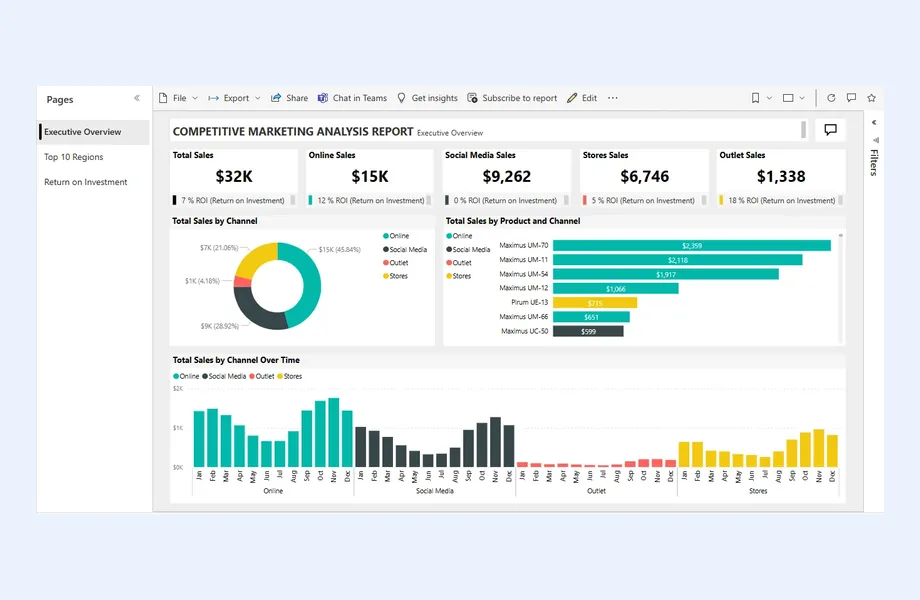
Agreeing which system owns customers, items, vendors and cash, cleaning the records that matter, and defining a short set of weekly reports that sales, operations and finance accept as one version of the truth.

Role-by-role impact notes, training timed around busy periods, super users in each team and simple adoption measures, so new tools are used as designed rather than bypassed with spreadsheets.

Briefing implementers, agencies and app vendors against the roadmap, reviewing their proposals and checking that each delivery fits the whole instead of solving one department's problem in isolation.
How I Work
Understand how the business really runs
 Leadership goals and constraints
Systems and spreadsheet inventory
Process walkthroughs by team
State and payments register
Leadership goals and constraints
Systems and spreadsheet inventory
Process walkthroughs by team
State and payments register
Agree what changes and in what order
Target operating model
Platform and data ownership
Phased roadmap with owners
Decision rights and governance
Change in stages and measure adoption
Oversee each delivery stage
Train and support super users
Track adoption and data quality
Revisit the roadmap each quarter
Software is the easiest part of transformation to buy and the hardest to get value from when the basics are unclear. If two people quote different order statuses, or month-end depends on one controller rebuilding a workbook, a new platform will copy that confusion into a more expensive place. So the first stage looks at how work moves: who takes an order, who approves a discount, who releases a shipment and who decides a customer can buy on credit.
Data comes next. US mid-sized companies often carry customer and item lists in several systems, each slightly different, with duplicates left behind by acquisitions, new sales channels or a past migration that was never finished. I identify which records drive revenue and cash, and which system should own each one going forward.
Then people. Transformation changes jobs, and the staff affected know where the current process breaks better than any diagram does. I involve them early through short remote walkthroughs and note where roles, approvals or workloads will shift. That understanding shapes the process design work and the later ERP decisions, instead of surfacing as a training problem at the end.
A company that sells or hires in many states runs into rules that change at each state line: sales tax registration and exemption handling, payroll withholding and leave rules for remote employees, consumer privacy laws in a growing number of states, and licensing for some trades and products. None of these is a reason to delay modernization, but each one changes what a system must do and when it must do it.
I keep a plain-language register of the state-level factors that touch your operations, and I tag each one with the system that will handle it and the advisor who must confirm it. Your CPA, payroll provider and legal counsel make the compliance calls. The register makes sure those calls happen before configuration rather than being discovered during testing.
The register also drives sequencing. If expansion into new states is planned, a tax engine or payroll change may need to come before a CRM rollout. If remote hiring is spreading the workforce thin across the map, HR and payroll data may become the first integration rather than the last. The roadmap shows these choices openly, so leaders can see why one project precedes another. Requirements gathered here feed directly into ERP business analysis when a platform change is part of the plan.
Payments are where many US transformation plans become very concrete. Plenty of mid-sized businesses still print checks, upload ACH files by hand, key card settlements into the ledger and match remittances from email attachments. Banks now offer more choices, including same-day ACH, instant payment rails and richer remittance data, and larger customers increasingly expect suppliers to accept electronic payment.
I treat payments as a process rather than a bank product. The review follows money in both directions: how invoices reach customers and how payments come back, how vendor bills are approved, scheduled and released, and how each movement is recorded and reconciled. Typical findings are approval steps that exist only in email, vendor bank details changed without a callback check, and reconciliation that relies on one person's memory.
From there the roadmap sets out which changes belong in the ERP, which in the bank portal or a payables tool, and which are simply policy, such as dual approval for new vendor bank details. Your bank and finance team choose the products and controls. I make sure systems and process fit together. Where connections are needed, the detail moves to integration design, and automation of approvals and reminders follows once the process is stable.
Most stalled transformations did not fail on technology. They stalled because nobody owned the outcome, decisions waited for a monthly meeting, or staff drifted back to their spreadsheets after go-live. I set up governance that suits a company of your size rather than a corporate program office.
Change management is planned alongside delivery, not after it. Each stage has role-level impact notes, training timed around your peak season and year-end, and super users who field the first questions. For US companies with staff spread across several time zones, I favor short recorded walkthroughs and written guides over long live sessions, because people return to them when they actually need the answer.
Software vendors, VARs and implementation firms each do valuable work, but each sees the business through the product they deliver. An ERP partner will scope the ERP well and may say little about the website, the CRM or the reporting layer. A marketing agency can improve the lead engine without knowing whether operations can fulfill what it sells. My role is to hold the whole picture, process, systems, data and growth, without commission from any of them.
That includes the website and lead engine. If organic search and paid campaigns produce inquiries that never reach the CRM with their source attached, leadership cannot judge what growth spending returns. Connecting acquisition to pipeline and revenue belongs in the roadmap, not in a separate marketing project.
On AI, I stay measured. There are useful, bounded uses: extracting data from vendor invoices, drafting routine replies, classifying support requests, summarizing long records. Each needs clean input data, a person who reviews the output and clear rules about what information may go to which service. I add AI steps once the underlying process and data are in order, and I say so when a simple rule or report would do the job. For the broader method, see digital transformation consulting and my roadmap guide.

Tell me about your business and current systems. I’ll suggest the most sensible first step.
Book a Consultation
Not sure which ERP you need?
Share your business requirements with me and I will help you understand the right process, architecture and platform before implementation.
FAQ
Those services each cover one piece of the work. Transformation consulting is the umbrella: deciding the order in which process redesign, platform choice, integration, automation, reporting and lead generation happen, and keeping them aligned over time. In practice an engagement calls on those other services at specific stages, and the roadmap decides when each one starts.
No. Your CPA, payroll provider and legal counsel decide what you owe and where. I document where state rules affect processes and systems, list the questions that need an answer, and make sure the confirmed answers are built into requirements and test scripts before anything goes live.
Not necessarily. Some companies need a core platform change first because the current system cannot support growth. Others gain more from fixing processes, cleaning data and connecting the CRM to accounting before any replacement. The baseline stage is designed to show which situation you are in, with evidence leadership can review and challenge.
By naming an owner, recording each decision with its reasons and reviewing a handful of adoption measures on a regular rhythm. Each phase ends with a check of what changed in daily work, what is still done outside the system and whether the next phase still makes sense. The roadmap is updated rather than quietly abandoned.
The work is remote. Workshops, walkthroughs and steering reviews run over video in time slots that overlap with your working day, with documents and recordings shared between sessions. If a milestone would benefit from a visit, that is possible by arrangement; the schedule is built so travel is never required.
Every business is different. Share where you are today and what you want to fix, and I’ll tell you honestly whether and how I can help.
Book a Consultation
Insights
 Book a Consultation
Book a consultation to talk through your processes, systems and goals. I’ll reply with practical next steps - no obligation.