Contact Info

 Zoho Analytics in the Philippines
What can Zoho Analytics report for a Philippine company?
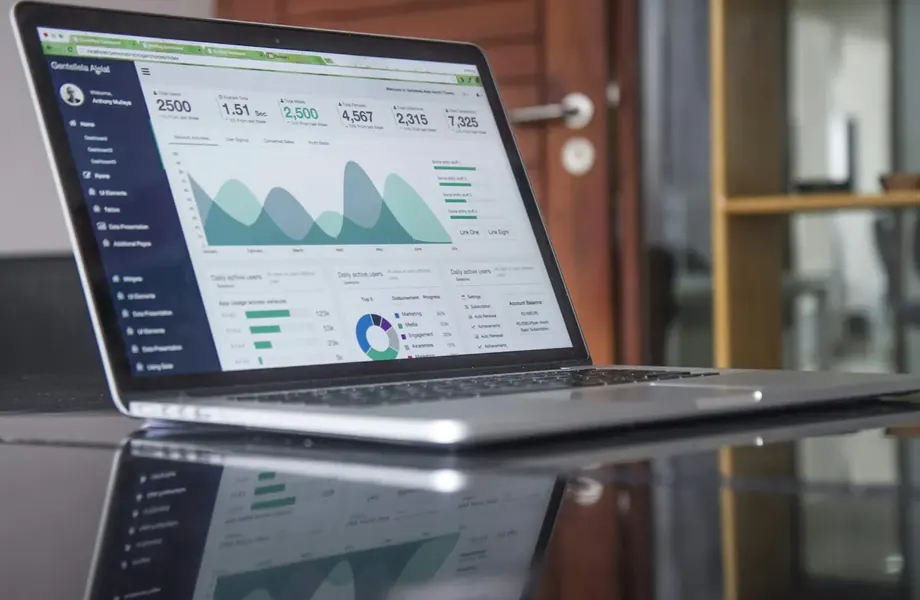
Zoho Analytics can give a Philippine company one management view across Zoho apps, a desktop or cloud accounting package, payroll cost exports, marketplace seller reports and e-wallet settlements. Typical outputs are profitability by client program, sales by channel net of fees, and results in both USD and PHP. The work depends on agreed definitions, clean source data and access rules by site or account, designed remotely and independently.
Last reviewed by Vikas Saroj
Management reports in many Philippine companies are assembled by hand. Someone exports invoices from the accounting system, payroll cost from the provider's files, client volumes from an operations tool and online sales from a marketplace seller center, then stitches them together in a spreadsheet the night before the meeting.
I work remotely with outsourcing providers, online sellers, distributors and service firms to replace that routine with Zoho Analytics models that refresh on a schedule and use definitions everyone has signed off.
Before any dashboard is drawn, we agree what each number means and which system owns it. Without that, a faster spreadsheet is all you get.
 What I Do
These are the reporting problems that shape a Philippine Zoho Analytics design.

Revenue per client program joined with payroll cost by cost center and direct expenses, so leadership sees margin by account instead of one blended figure for the whole floor.

Seller center order and settlement exports brought in on a schedule, with commissions, shipping fees and returns separated so net sales by channel can be compared with your own store.

Settlement reports from e-wallet and payment gateway accounts matched to orders and bank deposits, showing what has been collected, what is pending and what fees were deducted.

Dashboards that show revenue billed in USD alongside PHP costs, with the exchange rate method your accountant uses written on the dashboard so users read it correctly.

Feeds from accounting packages, operations tools and spreadsheets, using native connectors where they exist and scheduled file or database imports where they do not.

Row-level rules so a site director sees their site, an account manager sees their programs and only finance sees cost detail, reviewed against your data protection policy.
How I Work
Questions, KPIs and owners
 Management questions listed
KPI formulas written down
Source per figure named
Data owners agreed
Management questions listed
KPI formulas written down
Source per figure named
Data owners agreed
Sources joined and reconciled
Connectors and imports set
Cost centers mapped
Currency method applied
Totals tied to ledger
Access rules tested
Dashboards by audience
Leadership pack first
Site and account views
Refresh failures alerted
Definitions shown on screen
For a Philippine BPO or IT outsourcing provider, the most valuable report is often the hardest to produce: what each client program earns after the people and overhead that serve it. Revenue sits in the billing system by client. Cost sits in payroll files by employee. Seats, licenses and site overhead sit somewhere else again.
In Zoho Analytics I build this in layers:
The allocation method is a finance decision, not a reporting trick, and it should be written down before the dashboard exists. I also check that payroll exports carry cost centers consistently; if agents move between programs mid-month and the HR record is not updated, no dashboard can fix the result. The Zoho People page for the Philippines covers how that record is maintained.
Philippine retailers and brands selling through online marketplaces, social commerce and their own webstore face a reconciliation puzzle. Each channel reports gross sales, deducts its own fees, settles on its own cycle and may pay out to an e-wallet or bank account. The accounting system sees deposits; the seller center sees orders. Neither tells you which channel is profitable.
The model I set up:
Marketplace export formats change without notice, and some data is only available as manual downloads. I design the import so a format change breaks loudly, with an alert to the owner, rather than silently dropping rows. Where a channel offers an API connection through Zoho or a third party, I test it on your account before relying on it.
Many Philippine companies earn in dollars and spend in pesos, and some are subsidiaries of a foreign parent that reports in another currency again. A dashboard that silently mixes currencies is worse than no dashboard.
The decisions I put to finance before modeling:
Formal consolidation with eliminations belongs in the accounting system or a consolidation tool, and your auditors will expect that. Zoho Analytics provides the management view. The ledger side is covered on the Zoho Books Philippines page.
Analytics models collect data from everywhere, which makes them a privacy concern in their own right. A table holding payroll cost per employee, or customer contact details from orders, is personal information under the Data Privacy Act, and your data protection officer will want to know who can see it and where it is stored.
What I do:
Plan limits on rows, users and sync frequency differ by edition. Before designing a model that pulls years of marketplace orders, I check the limits of your subscription with Zoho or the partner managing it, and archive what reports do not need.
Reporting exposes weak processes sooner; repairing them is separate work. These are the limits to accept before starting:
My advice carries no vendor tie: no Zoho partnership, no license resale and no commission, which leaves me free to propose a smaller scope or another BI tool when that serves you better. For wider choices, see the management dashboards solution page, my Philippine ERP advisory page and the Philippines hub.

Tell me about your business and current systems. I’ll suggest the most sensible first step.
Book a Consultation
Not sure which ERP you need?
Share your business requirements with me and I will help you understand the right process, architecture and platform before implementation.
FAQ
Yes, as long as the payroll provider can export cost by employee or cost center on a regular schedule. I map those exports to programs or departments and reconcile totals with the ledger. Salary detail is kept out of the model where reports only need cost center totals.
Often through scheduled imports of seller center reports, and sometimes through an API connector offered by Zoho or a third party. I test whichever route your channels support. Formats change, so I design imports to alert the owner when a file no longer matches.
Yes. I hold exchange rates in one table using the method your accountant chooses, then build views in each reporting currency, so a dollar-billing team and a peso-paying finance office read the same underlying data. The method is shown on the dashboard. Statutory consolidation and audited figures stay in the accounting system.
Storage follows the Zoho data center chosen when your organization was first set up, which is not always the one people assume. I confirm it with Zoho or your partner, record it for your data protection officer and keep personal data in the model to the minimum that reports need, in line with the Data Privacy Act guidance your advisor applies.
Every business is different. Share where you are today and what you want to fix, and I’ll tell you honestly whether and how I can help.
Book a Consultation
Insights
 Book a Consultation
Book a consultation to talk through your processes, systems and goals. I’ll reply with practical next steps - no obligation.