Contact Info

 Zoho Projects Oman
What can a Zoho Projects consultant set up for an Omani business?
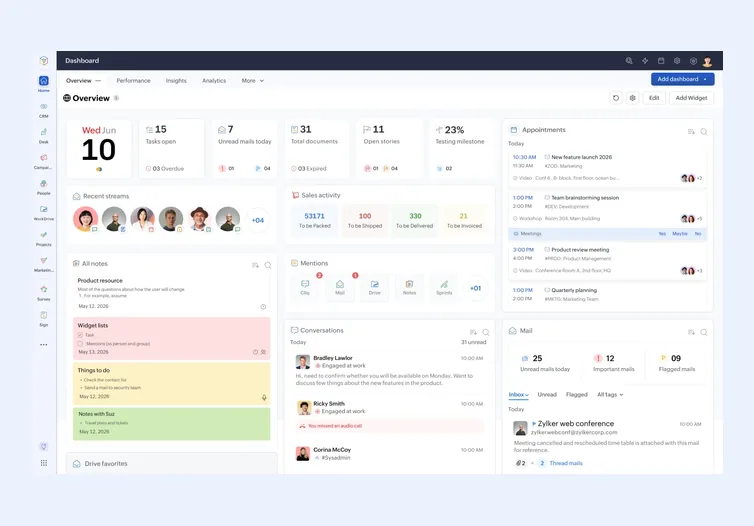
For Omani engineering offices, energy-sector service companies, IT integrators and fit-out firms, I configure Zoho Projects around the client review cycle, the spread of teams between Muscat and remote sites, and controlled client portal access. Completed or accepted work then flows to Zoho Books, where Oman VAT and baisa-level amounts are handled. I also flag early when a contractor's commercial controls need more than these two apps.
Last reviewed by Vikas Saroj
An Omani project firm rarely has everyone in one building. Engineers may sit in Muscat while supervisors work at a plant near Sohar, a port expansion in Duqm or a facility outside Salalah, and the client's reviewers are somewhere else again. Coordination by phone and spreadsheet works until the first dispute about what was submitted and when.
I help Omani consultancies, energy and utilities service providers, IT integrators and fit-out companies set up Zoho Projects as a shared, dated record of work, with Zoho Books carrying the VAT invoices that follow. Everything is delivered remotely through online workshops and configuration reviews, with written notes your team keeps once the setup is live.
I hold no reseller or partner arrangement with Zoho, so if your contracts need an ERP rather than a project app, that is what I will tell you, along with the reasons and the practical trade-offs of each route for your team.
 What I Do
I start from your contract terms and your clients' review habits, then decide what Zoho Projects should record.

Submissions, client comments, revisions and approvals tracked per document or deliverable, so your team can show exactly how long an item spent with the client reviewer and how long with you.

Time logging that suits supervisors and technicians at remote sites with patchy connectivity, including mobile entry and weekly approval, kept separate from the office team's billable consultancy hours.

Client engineers and project managers invited with narrow permissions, seeing issued documents and their own action items, while internal discussion, staff rates and supplier pricing remain private to your team.

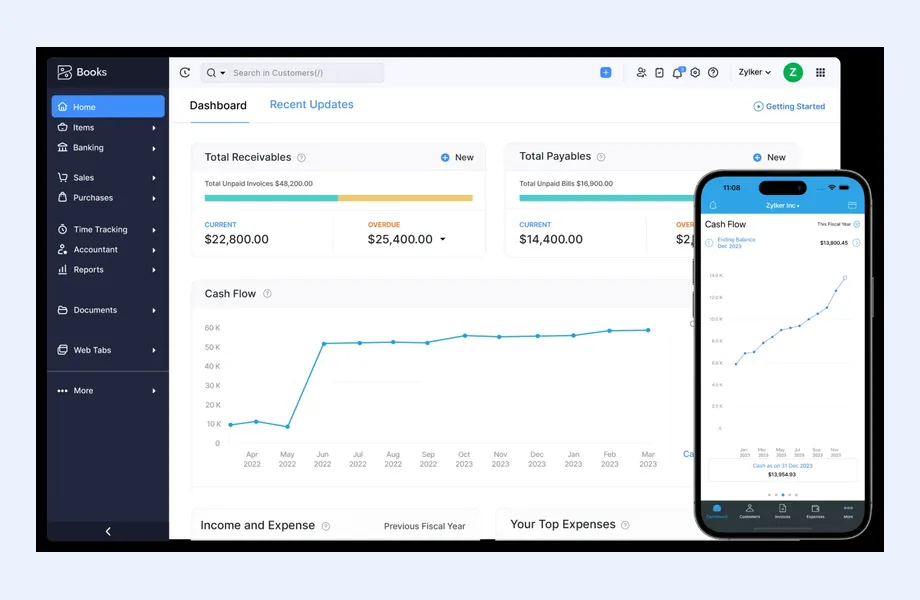
Projects connected to Zoho Books so accepted stages and approved hours become tax invoices with the correct VAT treatment and baisa amounts, as agreed with your tax advisor.

Custom fields or tags that let you report project hours by staff category where a client asks for workforce or local content information, if your plan supports the fields you need.

An independent view of whether progress certificates, variations and retention on your contracts can be handled with Zoho Creator around Zoho Books, or need a different system.
How I Work
Contracts, reviewers and site realities
 Contract payment terms read
Client review steps listed
Site connectivity understood
VAT treatment confirmed by advisor
Contract payment terms read
Client review steps listed
Site connectivity understood
VAT treatment confirmed by advisor
Templates, roles and Books link
Project templates built
Review statuses configured
Mobile timesheets tested on site
Client roles verified
Books invoice test run
Running projects, then refinement
Pilot projects go live
Site teams coached online
First invoices reviewed
Templates updated from feedback
Engineering and technical service work for Omani ministries, government-owned companies and energy operators tends to run on documented review. You submit a design package, a method statement or an inspection report, the client's engineer returns comments, and the item goes round again until it is approved. Payment is often tied to those approvals.
In Zoho Projects I set up a review register that makes this cycle visible:
The register does not replace a client's own document control platform, and it will not sync with one. Its value is internal: your project manager sees at once where time is being lost, and when a delay is discussed, the dated history is already there. Keep the statuses few. A review cycle with too many states is ignored within weeks, which defeats the purpose.
Omani project firms frequently combine office-based engineers billed by the hour with site supervisors and technicians whose time is billed as monthly manpower or included in a lump sum. Treating both groups the same in Zoho Projects creates noise.
I usually agree a short policy with operations and finance:
Some clients in Oman, particularly in energy and government work, ask suppliers for information about the workforce on their projects. If yours do, I add a staff category field so hours can be reported by group. What is required, and how it is measured, should come from the client's own instructions; I only make the data available. Payroll, including Wage Protection System files, stays in your payroll tool, not in Zoho Projects.
Zoho Projects does not calculate VAT. The tax invoice is raised in Zoho Books for Oman, so the link between the two apps decides whether project billing respects Omani requirements. Before relying on it, confirm which Books edition Zoho offers to companies registered in Oman and how far its VAT reporting currently goes.
Points I test with every Omani setup:
The Oman Tax Authority is introducing e-invoicing. Tidy master data matters here: a client's VAT number and registered address, plus plain item wording, because project invoices will need to meet whatever structured format applies. Confirm current obligations with your advisor.
Opening a project to the client is useful when the client's engineer can find the latest issued documents and see which items await their response. It turns into friction when they see internal estimates or argue with draft comments.
Before inviting anyone, I agree with your project director:
Zoho Projects offers client user permissions that vary by plan, so I log in as each role and confirm what it can see before go-live. Arabic interface availability and bilingual document naming should be checked for clients who prefer Arabic.
For long contracts, such as multi-year maintenance or operations support, the portal also becomes a place for monthly reports and meeting minutes. That keeps the history in one location when client personnel change, which happens often over the life of a government-linked contract. My Zoho overview for Oman covers how Projects sits alongside CRM, Books and Inventory.
For a civil, MEP or fit-out contractor in Oman, Zoho Projects can run the schedule, site coordination, snags and client communication. It is not a construction commercial system, and pretending otherwise leads to spreadsheets running alongside it within months.
The commercial items that need something else:
Some Omani firms build these as Zoho Creator apps linked to Zoho Books. Others move the commercial core to an ERP and keep Zoho Projects for coordination, or drop it. The choice depends on contract volume, the number of active jobs and your finance team's capacity. My construction ERP page for Oman looks at the options, and ERP consulting in Oman describes my independent platform comparisons.

Tell me about your business and current systems. I’ll suggest the most sensible first step.
Book a Consultation
Not sure which ERP you need?
Share your business requirements with me and I will help you understand the right process, architecture and platform before implementation.
FAQ
Yes, as a review register. Each document or deliverable becomes a task with its revision, submission date, review status and approval evidence. There is no live link to the client's document control platform; whoever sends or receives a transmittal changes the status by hand. The benefit is a dated history and a clear list of everything currently waiting on the client.
No, VAT sits in Zoho Books. Zoho Projects passes approved hours, completed stages and rebillable expenses to Books, where the tax invoice is raised. Check which Books edition is offered for Oman and its current VAT features, and have your tax advisor confirm the treatment of each service type before I map it to items.
They should, but I test it rather than assume. Hourly rates, timesheet totals and stage values are run through to sample invoices, checking line amounts, VAT and totals at three decimals. Any integration or custom function that touches amounts is tested the same way, because rounding issues often appear in add-ons rather than core apps.
Usually, with the mobile app and a realistic policy. Staff log time when they have signal, and weekly approval by the site lead catches gaps. For sites with very limited access, a simple daily sheet entered by a coordinator can be more reliable. I agree the approach with operations before configuring anything.
We meet in planned video sessions, I configure or review while your staff watch, and I leave written notes behind. Your people then try the setup on current jobs before we meet again. Where a Zoho implementer already holds the contract, I can sit beside them as a reviewer who answers only to you. In-person meetings can be arranged if genuinely needed, but the method does not rely on them.
Every business is different. Share where you are today and what you want to fix, and I’ll tell you honestly whether and how I can help.
Book a Consultation
Insights
 Book a Consultation
Book a consultation to talk through your processes, systems and goals. I’ll reply with practical next steps - no obligation.