Contact Info

 Zoho Inventory in Nigeria
How should a Nigerian business set up Zoho Inventory?
A Nigerian business should set up Zoho Inventory with one warehouse per depot, transfers that show goods in transit, landed cost that adds freight, duty and clearing charges to dollar purchases, batch and expiry tracking only where products need it, and clear rules for marketplace and pay-on-delivery orders. Tax invoices stay in Zoho Books. I design this independently and remotely, and say when an ERP is needed instead.
Last reviewed by Vikas Saroj
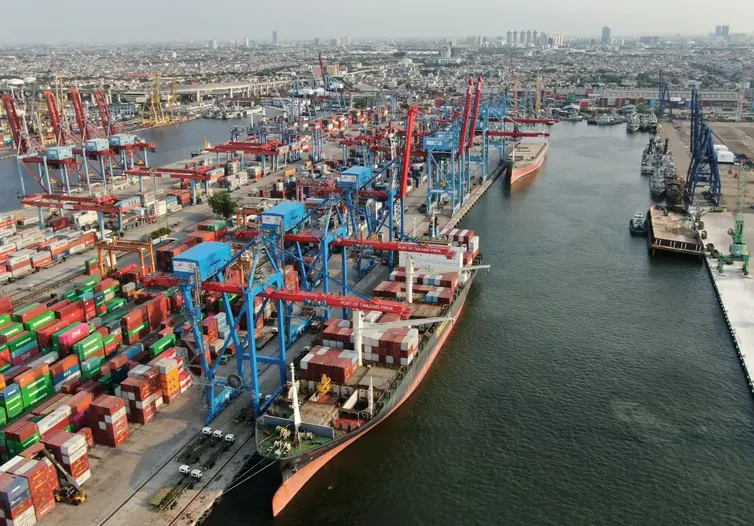
Stock in a Nigerian trading business moves a long way before it is sold. A container clears at the port, goods travel to a central warehouse, trucks carry them to depots in other states, and distributors return damaged or slow items weeks later. Each step is a chance for the system figure and the shelf to drift apart.
I help importers, distributors and online sellers in Nigeria configure Zoho Inventory so those movements are recorded the same way every time. The work is remote: I map the stock flow with your operations and finance leads, design items, warehouses and costing, and test the setup against real transactions before go-live.
 What I Do
Each item reflects a stock problem Nigerian importers and distributors face and the Zoho Inventory design that addresses it.

Warehouses or locations set up per depot, with clear rules on who can receive, issue and adjust stock in each, so a shortage can be traced to a site and a person.

Transfer orders between the central warehouse and depots, with a defined way to show goods on trucks, record shortages on arrival and handle stock damaged on the road.

A costing approach that adds freight, insurance, duty, clearing agent and port charges to dollar purchases, so margins reflect what goods really cost by the time they reach a depot.

Batch numbers and expiry dates for food, drug, cosmetic or agro products where traceability matters, with reports that surface short-dated stock before it becomes a write-off.

A check of how marketplace and web shop orders reach Zoho Inventory, whether a native connector exists or middleware is needed, and how pay-on-delivery orders and returns are closed.

Item cleanup, a counted opening balance per depot and batch, opening values agreed with finance, and open purchase and sales orders brought across without losing anything in progress.
How I Work
Trace stock from port to shelf
 Import and clearing steps mapped
Depot receiving habits reviewed
Item list and units checked
Channel orders traced end to end
Import and clearing steps mapped
Depot receiving habits reviewed
Item list and units checked
Channel orders traced end to end
Set rules and test them
Warehouses, items and batches
Landed cost tested on one import
Transfers trialed with one depot
Books link checked by finance
Start from verified numbers
Physical count per depot
Opening stock and values loaded
Reconciliation signed off
Monthly count routine agreed
A Nigerian distributor may hold stock in a central warehouse near the port and several depots in other states, each run by a depot manager with considerable autonomy. If Zoho Inventory treats all of this as one location, nobody can explain where a shortage arose. If it treats every shelf as a location, depot staff stop recording movements because the system feels too slow.
The design I aim for:
Managers then review adjustments by depot and reason every week. A pattern of shortages on one route or at one site becomes visible quickly, which is the real point of tracking stock in this level of detail.
For a Nigerian importer, the supplier invoice in dollars is only part of what a product costs. Freight, insurance, import duty, levies, clearing agent fees, port and terminal charges, haulage to the warehouse and bank charges on the foreign payment all arrive separately, often from different parties and at different times. If those costs sit in general expenses, product margins look healthier than they are.
Zoho Inventory supports adding landed costs to purchases in its supported editions, but how it allocates them and when late costs can still be applied are details to confirm for your edition and plan. I agree the following with your finance team and accountant:
Each import shipment gets a reference that links the purchase order, bank payment documents and every related cost bill. We test the method on a recent real shipment before go-live, comparing the result with the cost your accountant calculated manually.
Nigerian companies distributing packaged food, beverages, pharmaceuticals, cosmetics or agrochemicals need to know which batch went to which customer and when each batch expires. That matters for recalls, for regulatory inspections and simply for avoiding stock that dies on the shelf.
Zoho Inventory supports batch and serial tracking, and batch records can carry manufacturing and expiry dates. The design choices are where the work lies:
Which products need batch control and what records regulators expect is for your compliance staff to confirm. Zoho Inventory then holds the evidence consistently.
Selling online in Nigeria adds channels that may not connect neatly to Zoho Inventory. A business might run its own web shop, list products on local marketplaces, take orders through social media and chat, and deliver through its own riders or third-party logistics companies, with many customers paying on delivery.
Zoho publishes connectors for a number of web shop builders and marketplaces, yet which ones work for a Nigerian seller, and how deeply, is not fixed. For each channel I check whether a native integration exists and is offered for Nigeria, whether middleware is needed, or whether a regular import is the realistic option. Confirm the current position with Zoho before planning around a connector.
Delivery and payment need explicit rules:
Shipping integrations with couriers also depend on region, so local delivery partners may need a simple manual or import routine rather than a live link.
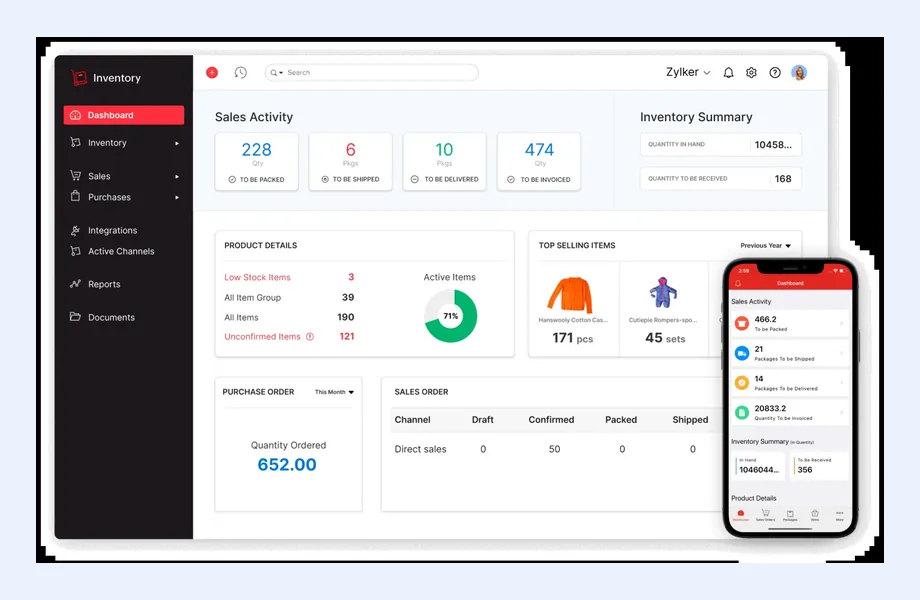
Zoho Inventory creates sales orders, packages and shipments, and it shares items, customers and invoices with Zoho Books. The tax invoice itself, with VAT, numbering and any withholding implications, is a finance document. I keep its configuration and control in Zoho Books, where your accountant reviews tax codes, and any electronic invoicing route is checked there too, as discussed on my Zoho consultant Nigeria page. Tax treatment is confirmed by your advisor, not by me.
Zoho Inventory is also not the right tool for every Nigerian stock operation. I recommend looking at a fuller ERP when:
In those cases an ERP evaluation compares Zoho with Odoo, ERPNext and others on your own scenarios. For more context, read the global Zoho Inventory overview, my ERP consultant in Nigeria page, and the Nigeria hub on remote delivery.

Tell me about your business and current systems. I’ll suggest the most sensible first step.
Book a Consultation
Not sure which ERP you need?
Share your business requirements with me and I will help you understand the right process, architecture and platform before implementation.
FAQ
It can be designed for this with transfer orders between warehouses, but how in-transit status is shown depends on your edition and setup. I test the flow with one depot first, including shortages and damage on arrival, and agree who confirms receipt, so stock on the road is neither lost nor counted twice.
Through landed cost on the purchase, where your edition supports it. Your accountant decides which charges are capitalized and on what basis they are allocated. Each import gets a reference linking the supplier bill, bank documents and every cost bill, and the method is tested against a recent shipment before go-live.
Native integrations vary by platform and region and change over time, so check with Zoho for each channel you use. Where no connector exists, middleware or a scheduled import may work. I map how orders, stock updates, pay-on-delivery confirmations and returns would flow before you commit to any route.
Invoices with VAT are controlled in Zoho Books, which shares items and customers with Zoho Inventory. Your accountant reviews the tax codes there, and any electronic invoicing route is checked on the Books side. Your tax advisor confirms how each product and customer type should be treated.
No. Stock flows are mapped over video with your operations staff, sometimes with them walking a phone camera through receiving and dispatch. Counts are carried out by your team using a count sheet I prepare. A visit is possible by arrangement if a milestone genuinely needs it.
Every business is different. Share where you are today and what you want to fix, and I’ll tell you honestly whether and how I can help.
Book a Consultation
Insights
 Book a Consultation
Book a consultation to talk through your processes, systems and goals. I’ll reply with practical next steps - no obligation.