Contact Info

 Zoho Inventory in Kenya
Is Zoho Inventory enough for a Kenyan distributor?
For a Kenyan distributor, Zoho Inventory covers several warehouses or depots, van stock, batch and expiry tracking, imports through Mombasa with landed cost and orders from online channels. eTIMS transmission sits outside Inventory, on the invoicing side, so the invoice path must be confirmed with Zoho and your tax advisor. Manufacturing or many entities usually point to an ERP.
Last reviewed by Vikas Saroj
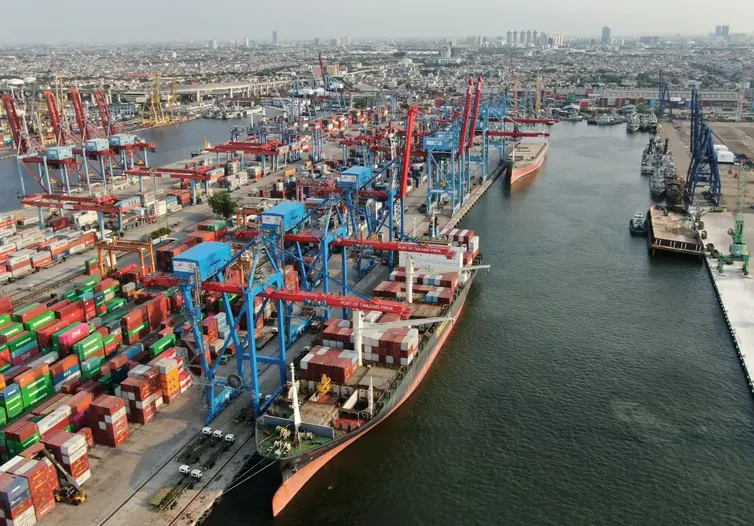
Goods destined for a Kenyan distributor often land at Mombasa, travel inland to a main warehouse around Nairobi, then move out to depots in Kisumu, Nakuru, Eldoret or the coast, and finally onto vans serving shops and institutions. Each step is a place where stock can go missing from the records.
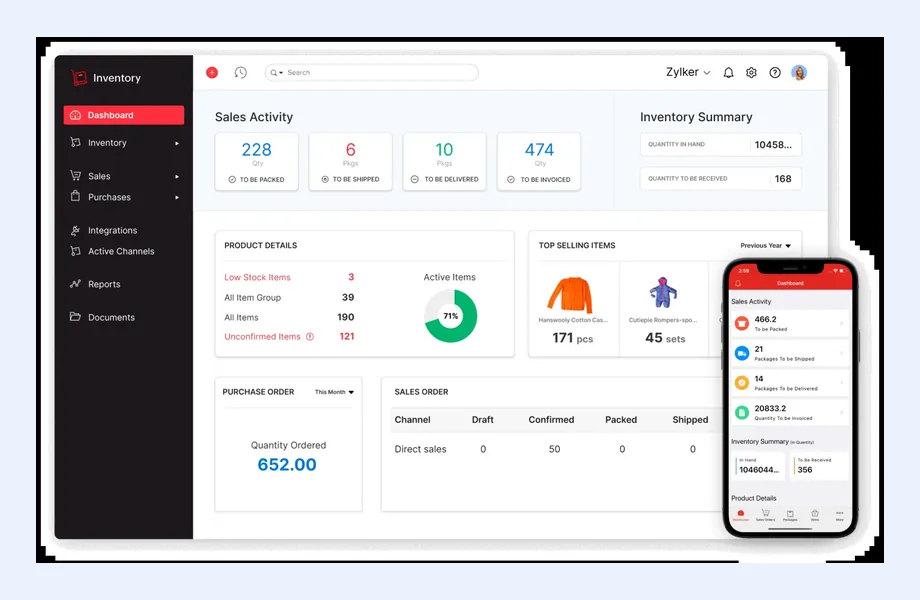
Zoho Inventory tracks items, warehouses, transfers, batches, serial numbers, purchase orders and shipments in a single cloud application that hands financial postings to Zoho Books. How far it stretches depends on volumes, pricing and processes.
My work is remote and independent: trace how stock really moves, then judge whether the product fits.
 What I Do
Each piece ties the physical movement of goods to records finance and management can rely on.

Warehouses for the main store, each depot and each sales van, with transfers that show what left, what arrived and what a van still holds at the end of a route.

Spreading freight, duty, clearing and port charges over items in shillings, using an approach your accountant approves, tested with a past consignment.

Batch numbers, manufacture and expiry dates for agro inputs, food, pharmacy and chemical lines, with picking rules that move the earliest expiry first.

Designing how orders become tax invoices in Zoho Books or your ERP and how those reach KRA through eTIMS, confirmed with Zoho and your tax advisor.

Recording M-Pesa codes and cash collected against deliveries, with matching handled in the ledger and exceptions flagged to finance the same day.

A plain verdict on whether the business has moved beyond what Zoho Inventory does well, and if so a written comparison of Odoo, ERPNext and Business Central.
How I Work
Follow goods from port to shop
 Map import and dispatch
List depots and vans
Review item master
Confirm invoice route
Map import and dispatch
List depots and vans
Review item master
Confirm invoice route
Prove it with real transactions
Items and warehouses loaded
Transfers and van loads tested
Landed cost checked
Invoice and eTIMS trial
Opening stock counted
Keep records matching shelves
Daily van reconciliation
Monthly cycle counts
Variance review
Depot staff coached
Many Kenyan distributors import, whether finished goods, agro inputs, spare parts, electronics or packaging. Goods priced in dollars arrive through Mombasa, clear customs with the help of a clearing and forwarding agent, then travel inland by road or rail. Freight, insurance, duties, port charges, agency fees and inland transport arrive on separate documents at different times.
In Zoho Inventory I handle this with:
I rerun a recent consignment through the setup and compare unit costs with finance's own calculation. Pricing decisions depend on that number being right. The general product page is Zoho Inventory; multi-currency design is covered under ERP for multi-currency.
Kenyan distribution often runs through a main warehouse, regional depots and sales vans that sell directly to shops, kiosks, hotels and institutions. Van sales are where stock and cash most often diverge, because goods are loaded in the morning, sold through the day and returned or banked in the evening.
A practical Zoho Inventory design:
The weakest point is usually the route, not the software. If drivers cannot record sales reliably on a phone, reconciliation becomes guesswork. I test the mobile workflow on actual routes and agree a fallback for areas with no signal. Where van sales need dedicated route accounting, credit limits per outlet or promotions, a specialist van sales tool or an ERP may be the better answer, which I flag early.
Distributors of seeds, fertilizers, crop protection products, veterinary supplies, food and beverages, cosmetics and pharmaceuticals must know which batch went where. Expired stock is a loss, and a recall without batch records is a crisis. Sector regulators set their own requirements for some of these products; your compliance advisor confirms what applies to your lines.
What I set up:
Barcode scanning at receiving and dispatch makes batch capture realistic for busy warehouses. Without it, staff skip the step under pressure. I check which scanners and label printers your team can use, and how they behave when the connection drops. For warehouse-heavy operations see ERP for inventory and warehousing.
Zoho Inventory manages orders, packages and shipments. The tax invoice is a ledger document, and in Kenya it has to reach KRA through eTIMS. That transmission happens on the invoicing side, not inside the stock module, and it needs a confirmed route before you go live.
Questions to settle with Zoho, any connector provider and your tax advisor:
I write the invoice path as a short specification and test it with real scenarios: a normal sale, a return, a cancelled order and a transmission failure. The ledger side, including withholding and bank reconciliation, is on my Zoho Books Kenya page. Requirements change, so check current rules with your tax advisor.
Many Kenyan sellers take orders from their own webstore, marketplaces, social media and WhatsApp, with payment by M-Pesa before or on delivery.
Zoho Inventory reaches its limits when a business needs:
At that point it is worth scoring Odoo, ERPNext and Business Central against your requirements, as described on my Kenya ERP consultant page and in the best ERP for distribution comparison. Sessions are remote and in English; a warehouse visit can be discussed by arrangement. See the Kenya overview for context.

Tell me about your business and current systems. I’ll suggest the most sensible first step.
Book a Consultation
Not sure which ERP you need?
Share your business requirements with me and I will help you understand the right process, architecture and platform before implementation.
FAQ
eTIMS transmission belongs to the invoicing side, which in a shared organization is Zoho Books. Whether there is a built-in route for your setup or a connector is needed must be confirmed with Zoho, any connector provider and your tax advisor, and tested with sales, returns and failures.
Yes, by treating each van as a warehouse, loading it by transfer and recording sales and returns through the day. An end-of-day reconciliation compares stock with cash and M-Pesa collected. Complex van sales with route accounting may need a specialist tool or ERP.
Where your edition includes it, the landed cost function apportions freight, duty, clearing and port charges to the received items, so check the plan first. Treatment of import taxes and exchange rates is for your accountant, and I test the setup against a past consignment.
The rider or driver records the M-Pesa transaction code on the delivery, and the payment is matched to the invoice in the ledger. Automatic payment confirmations need an integration built on the M-Pesa APIs, which a developer or third-party service provides.
Every business is different. Share where you are today and what you want to fix, and I’ll tell you honestly whether and how I can help.
Book a Consultation
Insights
 Book a Consultation
Book a consultation to talk through your processes, systems and goals. I’ll reply with practical next steps - no obligation.