Contact Info

 Odoo in Kenya
Which local checks decide whether Odoo suits a Kenyan company?
Whether Odoo suits a Kenyan company depends on what the Kenyan localization in your version provides, whether any eTIMS connector is tied to Enterprise, how M-Pesa receipts reach Odoo and get matched, how KES books handle dollar trade, and how sister companies in Uganda or Tanzania are localized. As a freelance Odoo consultant, I run these checks on your own documents before any implementation contract is signed.
Last reviewed by Vikas Saroj
Kenyan distributors, agricultural exporters, food processors and light manufacturers turn to Odoo because purchasing, stock, production, sales and accounting work in one system, with lot tracking and multi-company support built in. I work remotely with them to decide whether Odoo is the right foundation and how the build should be scoped.
Odoo's flexibility makes the local details more important, not less. The Kenyan localization, any eTIMS connector and their edition requirements need checking for the exact version you will run. Mobile money receipts need a matching design. Dollar-denominated exports need currency rules. And regional subsidiaries each need their own localization answer. I settle those before an implementer starts billing configuration days.
 Odoo Services
These services can run alongside a Kenyan implementer or your internal team, keeping the design tied to your processes and local obligations.

I install the Kenyan localization for your target version, confirm what it covers in accounts and taxes, and test any eTIMS integration it offers, noting which features require Enterprise.

Both editions and every hosting route, from Odoo's cloud to your own servers, compared on the features you need, custom code allowed, connectivity at your sites and who looks after upgrades.

M-Pesa receipts brought into Odoo through a payment provider module, an aggregator or statement imports, with matching rules on references and a clear routine for unidentified payments.

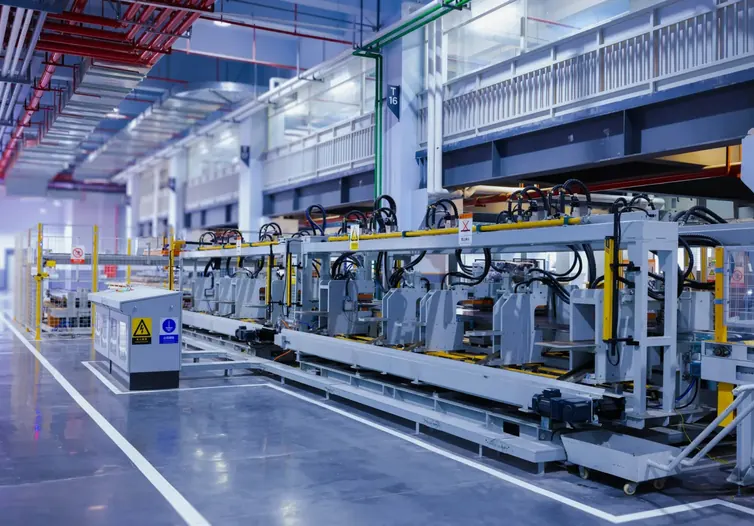
Lots from farm or supplier intake through grading, processing and export dispatch, with yields and rejects recorded, so buyers' traceability questions can be answered from the system.

Companies for Kenya, Uganda, Tanzania or Rwanda in one database, each with its own currency and localization approach, plus intercompany rules and consolidated management reporting.

Requirements written before bids, proposals scored side by side, custom modules reviewed for upgrade safety and acceptance testing run with your users, independently of any vendor.
How I Work
Localization, edition and eTIMS
 Test database with localization
eTIMS flow demonstrated
Edition gaps listed
Receipt matching designed
Test database with localization
eTIMS flow demonstrated
Edition gaps listed
Receipt matching designed
Design and controlled build
Lot and grading flows mapped
Company structure agreed
Custom modules kept minimal
Migration trial reconciled
Go live by company
Kenyan entity first
eTIMS monitored daily
Regional entities follow
Upgrade path documented
Kenya is one of the countries for which Odoo maintains a fiscal localization. Over recent versions, Kenyan tax device and eTIMS-related integration work has appeared in Odoo's codebase, but what is available, how it connects to KRA and whether it requires Enterprise all depend on the version you deploy. I check this directly in a test database for your target version rather than relying on a proposal's summary.
The test covers the full invoice cycle: a standard sale, a sale with a discount, a credit note, a foreign currency invoice and a deliberately failed transmission. I look at what Odoo stores from KRA's response, how the document shows it, and how users are alerted when something does not go through. If the native route does not suit, alternatives include a third-party module or middleware, each of which needs a named maintainer.
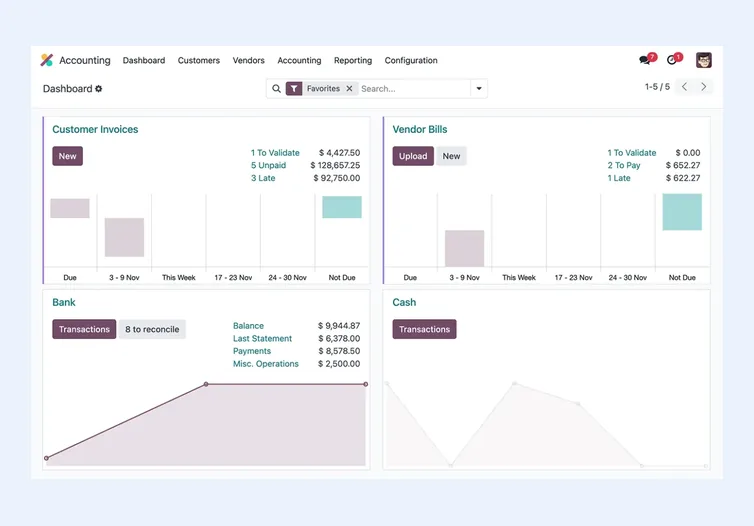
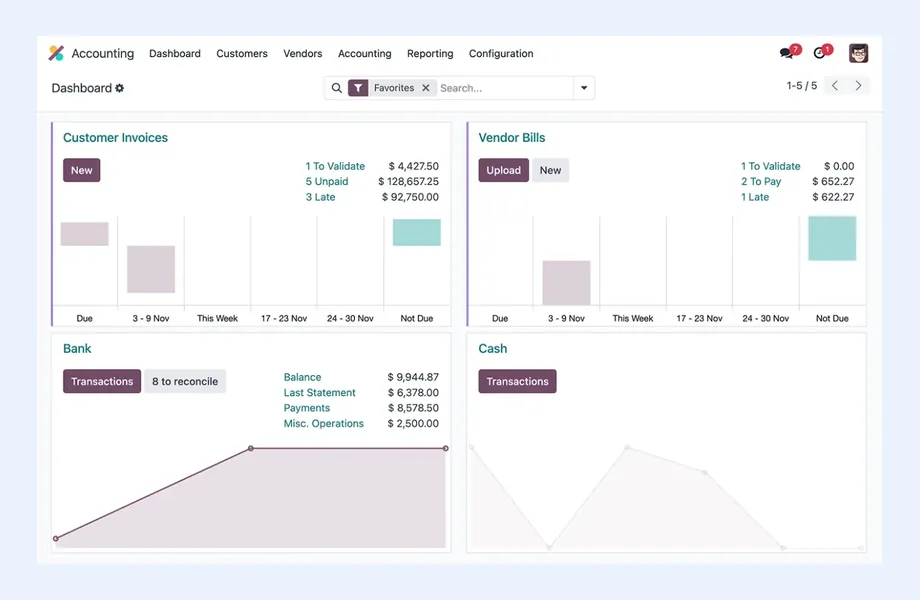
The edition decision follows. If the eTIMS connector and full accounting features you rely on sit in Enterprise, running Community means building or sourcing replacements and maintaining them yourself, which can cost more over time than the subscription. Your tax advisor and KRA guidance determine what applies to you. My gap analysis service documents these findings, and finance features are discussed on my Odoo Accounting page.
Odoo was not designed around mobile money, so Kenyan implementations need a deliberate receipt design. The aim is that a customer's M-Pesa payment shows up against the right invoice without a finance clerk copying statement lines.
I map each Paybill and Till number to its company, journal and settlement bank account, then decide how payments enter Odoo. Options include a payment provider module, community or implementer-built, that receives notifications through the provider's API; an aggregator that consolidates mobile money and card payments; or a scheduled statement import into a bank journal for reconciliation. Each option is assessed on volume, cost, maintenance and how it behaves when the connection or the provider is unavailable.
Matching uses Odoo's reconciliation models: rules that look for an invoice number or customer reference in the payment description and propose a match, with tolerance for partial payments. Unmatched items sit in a suspense position with a named owner and a daily review. Charges are posted to an expense account, and settlements to the bank are reconciled separately. I describe the integration approach in more detail on my ERP integration page, and the broader Kenyan context on the Kenya overview.
Kenyan exporters of fresh produce, tea, coffee, flowers or processed goods face buyers who ask where each consignment came from. Odoo's lot and serial tracking, combined with Odoo Inventory routes, can follow produce from intake through grading, packing and dispatch. I map that flow with your operations team, including how rejects and yields are recorded, how grower or supplier lots are linked and which quality checks are captured on the floor.
Export sales are often invoiced in USD while books stay in KES. Odoo handles multi-currency invoicing and revaluation; your accountant decides the rate source and timing, and I test the agreed rules against real shipments and receipts.
Groups with entities in Uganda, Tanzania or Rwanda can run several companies in one Odoo database, sharing products and partners while keeping separate charts of accounts, currencies and journals. Each country needs its own localization answer: some have Odoo localization modules, some rely on partners, some need a local accountant to produce statutory reports outside Odoo. I check each one before recommending a single database. Consolidated management reporting and intercompany rules are designed with your group finance lead. My solution design page explains how these structures are written up.
Connectivity varies between a Nairobi head office, an upcountry depot and a farm pack house, so hosting and offline behavior deserve attention. Odoo Online and Odoo.sh are managed cloud options; a hosting provider or your own servers give more control with more responsibility. I check which mobile, warehouse and point of sale functions your remote sites need, test their behavior with a weak or lost connection, and confirm with your legal advisor how Kenya's data protection law affects where customer and employee data is stored.
Kenya has a range of Odoo implementers, from specialist firms to developers working across several ERPs. Proposals differ widely in how much localization testing, eTIMS work, mobile money integration and migration reconciliation they include. I write the requirements so every bid prices the same scope, review custom modules during the build and run acceptance tests with finance, warehouse and sales users.
Workshops are online and in English, held in Kenyan business hours, which sit close to mine. Recorded walkthroughs help depot staff who cannot join live, and every decision is logged where all leads can see it. For the platform overview, see my Odoo consulting page.
Odoo can do a great deal, which makes it easy to over-commit. I advise against it, or demand a stronger proof, when:
A structured ERP evaluation weighs Odoo against the alternatives on your own scenarios. The wider comparison for this market is on my Kenya ERP consultant page.

Tell me about your business and current systems. I’ll suggest the most sensible first step.
Book a Consultation
Not sure which ERP you need?
Share your business requirements with me and I will help you understand the right process, architecture and platform before implementation.
FAQ
Odoo's Kenyan localization has included tax device and eTIMS-related integration work in recent versions, but availability and edition requirements vary. I test the connector in your target version with real invoice types and failure cases, and leave the question of whether and how eTIMS applies to your tax advisor and published KRA material.
For inventory, purchasing and sales it can be. Accounting depth, some reports and certain localization connectors may require Enterprise. On Community, those gaps are filled with third-party or bespoke modules that become your responsibility to keep working. I set the subscription against that maintenance burden for your requirement list.
Through a payment provider module using the provider's API, an aggregator, or scheduled statement imports into a bank journal. Odoo's reconciliation models then match payments to invoices by reference. I choose the route based on volume and maintenance, and define who handles unmatched receipts.
Yes. A single Odoo database can hold several legal entities, each keeping its own ledgers, currency and journals. The open question is localization for each country, which may come from Odoo, a partner module or a local accountant working outside the system. I check each before recommending a shared database.
Every business is different. Share where you are today and what you want to fix, and I’ll tell you honestly whether and how I can help.
Book a Consultation
Insights
 Book a Consultation
Book a consultation to talk through your processes, systems and goals. I’ll reply with practical next steps - no obligation.