Contact Info

 Dynamics 365 in Iraq
What should an Iraqi company expect from a Dynamics 365 consultant?
A Dynamics 365 consultant working with an Iraqi company first establishes how Business Central can be licensed and localized for Iraq, designs jobs for contract costing, sets up federal and Kurdistan Region companies with dinar and dollar reporting, plans cloud access around weak connections and scrutinizes partner proposals. My position is independent: not a Microsoft partner, and with no licenses to sell.
Last reviewed by Vikas Saroj
Dynamics 365 tends to come up in Iraq when a company works closely with international clients, joint venture partners or a parent group that already uses Microsoft tools. Business Central offers job costing, purchasing, inventory and solid finance, with Excel, Teams and Power BI close at hand. Those strengths only help if licensing, localization and partner support work for an Iraqi entity.
Licensing and implementation of Dynamics run through firms in Microsoft's channel. I sit outside it: I define your requirements, test the fit with your own contracts and shipments, review partner proposals and oversee delivery remotely. I do not sell licenses or services on behalf of Microsoft or any partner.
 What I Do
These services keep an Iraqi Dynamics 365 project tied to contracts, entities and partner expectations rather than to a sales demo.

I confirm with partners how Business Central can be licensed for your Iraqi entities, which localization route applies, and whether licensing assumptions match the users, devices and functions your teams really need.

I design jobs, job tasks and planning lines per contract, with purchases, resources and equipment posting to them, and define how milestone or progress invoices and retentions are handled.

With your accountant I agree the local currency per company, whether US dollars serve as an additional reporting currency, the rate sources and adjustment routines, then test them on dollar contracts and dinar costs.

Federal Iraq and Kurdistan Region entities are set up as separate companies with intercompany postings, shared dimensions and consolidation, and permissions so each team sees only its own company.

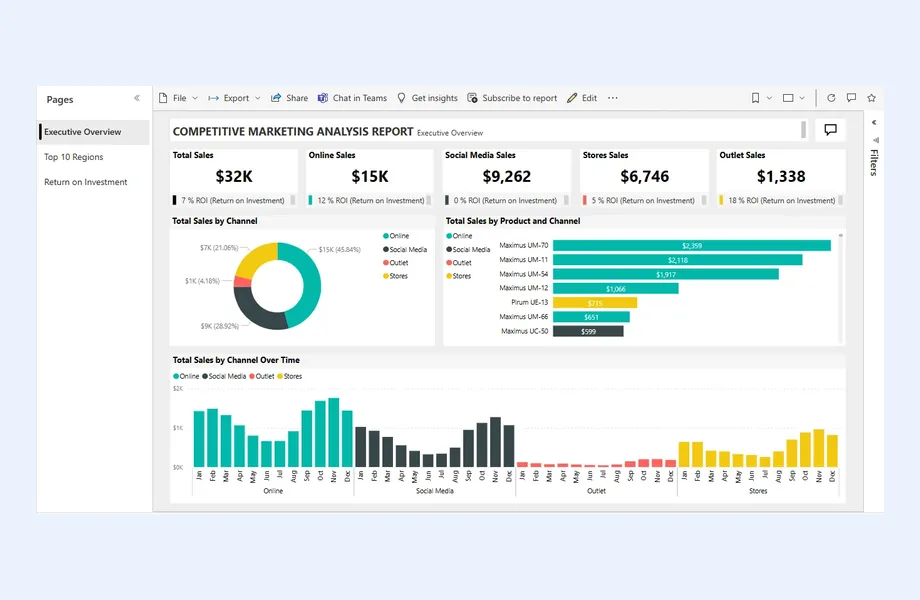
I define the cost reports, approval records and Power BI dashboards that international partners expect, so finance packs come out of Business Central rather than being rebuilt by hand each period.

I compare partner proposals on scope, extensions, localization approach, data migration, support model and working-hour coverage, and ask the questions that reveal gaps before a contract is signed.
How I Work
Fit, licensing and localization
 Contract and shipment scenarios
Licensing route confirmed
Localization approach compared
Hosting and access plan
Contract and shipment scenarios
Licensing route confirmed
Localization approach compared
Hosting and access plan
Partner build against the design
Job structure walkthroughs
Reporting currency tests
Intercompany postings checked
Migration loads reconciled
Go live and first close
Cutover plan signed off
First job cost report reviewed
Key users trained
Support terms in force
Before comparing features, settle a practical question: how Business Central can be licensed for a company registered in Iraq, and in which form. Microsoft offers Business Central online in a defined list of countries and provides its own localizations for some of them. For markets outside that list, the route depends on Microsoft's current terms and on what each partner proposes, and the base application is adapted with a local chart of accounts, tax setup and document layouts. Confirm the position in writing with Microsoft's published availability information and with each partner, rather than relying on a sales conversation.
I ask every partner on the shortlist:
Tax rules are left to your advisors; I check that configuration and reports follow their guidance. The answers go into a comparison sheet next to scope and support terms. The global Dynamics 365 consulting page explains the product family, and Business Central covers the application most Iraqi groups consider.
Business Central's jobs feature, renamed projects in newer releases, is the natural home for Iraqi contract work. Each contract becomes a job with tasks for phases or sites, and purchases, resource hours, equipment and items post to job tasks, while planning lines show budget and expected billing. That gives project managers committed, actual and remaining cost per contract, provided every document carries the right job and task.
I design with your project and finance leads:
Oil and gas service providers often need client-specific rate sheets, approved field tickets and evidence attached to each invoice. International partners also expect approval trails and consistent cost reports. Business Central keeps attachments, approval workflows and change logs, and Power BI can present the partner reports. I specify exactly which records each partner requires so reports come from the system. The contracting and project costing pages cover the wider process.
Contract prices and supplier invoices for imports are commonly in US dollars, while day-to-day local costs are paid in Iraqi dinars. Each Business Central company has a local currency, and an optional additional reporting currency adds a parallel amount to its ledger entries, something groups use to read results in dollars alongside the local figures. Whether that suits your entities depends on your accountant's guidance on the local currency, rate sources and adjustment practice, so I agree those rules before configuration and test them with real contracts and payments.
Where a group has both a federal Iraq entity and a Kurdistan Region entity, each is normally set up as its own company in one environment, with its own chart of accounts, posting groups, number series and users. Shared dimensions for contract, site and business line keep reporting consistent, and intercompany postings handle equipment hire or staff recharges between them. Consolidation into a group view can run inside Business Central or in a reporting layer, depending on how formal the group accounts need to be.
Payroll calculation normally remains with an Iraqi payroll provider or an internal team; I define how payroll journals arrive by company, job and currency so labor cost reaches each contract. General design questions are covered on the multi-company ERP page, and the Iraq ERP consultant page covers entity design across platforms.
Business Central online runs in Microsoft's cloud, so users need a connection to reach it. For head office that is usually manageable with a backup link. For sites and yards, I plan which tasks must happen there and how: mobile entry when signal allows, short forms built with Power Apps where justified, or a written offline procedure with a named person who enters the backlog. If a partner proposes an on-premises or partner-hosted deployment instead, I compare it on availability, upgrades and who restores service.
The starting data usually sits in spreadsheets plus a simple local bookkeeping package. I agree with the partner which records move: open jobs with costs to date, customer and vendor balances, stock by location and open documents, with older history archived rather than loaded where possible. Every load is reconciled with finance before sign-off.
Partners for an Iraqi project may work from inside the country, from the wider region or entirely remotely. Ask each for a reference with similar scope, the consultants assigned, who owns extension code and how support covers the Iraqi working week. I am not a Microsoft partner and have no stake in which one you choose, so my vendor selection work compares proposals neutrally. Documents in Arabic or Kurdish are prepared by the partner and checked by your bilingual staff, as the engagement runs in English.
Dynamics 365 suits some Iraqi groups well, but the commitment in licenses, partner effort and connectivity is significant. I would raise doubts when:
I set Dynamics against alternatives through the ERPNext and Dynamics comparison and the Odoo and Dynamics one, and the Iraq hub gives broader market context.

Tell me about your business and current systems. I’ll suggest the most sensible first step.
Book a Consultation
Not sure which ERP you need?
Share your business requirements with me and I will help you understand the right process, architecture and platform before implementation.
FAQ
No. Licenses and the build both come from whichever partner firm you appoint, and I have no partner status with Microsoft. What I do is define requirements, check that the partner's licensing assumptions and scope fit your entities, test the build against your contracts and support your team through go-live.
Yes, through jobs, called projects in newer releases, with tasks and planning lines, provided purchases, hours, equipment and items post to the right task. Retentions and subcontractor certification may need an industry app or extension. I design the structure and test it with your own contracts before you commit.
Often yes. The additional reporting currency option in Business Central keeps a dollar amount next to the local one on every ledger entry. Whether it is the right approach depends on your accountant's guidance on local currency and rates. I document the rules and test invoices, payments and adjustments before go-live.
Business Central online needs a connection, so I plan site work around that: entry when signal allows, short mobile forms where justified, and a written fallback procedure with a named person to enter the backlog. Head office should have a backup connection, since approvals and invoicing depend on access.
Every business is different. Share where you are today and what you want to fix, and I’ll tell you honestly whether and how I can help.
Book a Consultation
Insights
 Book a Consultation
Book a consultation to talk through your processes, systems and goals. I’ll reply with practical next steps - no obligation.