Contact Info

 Zoho Inventory in Egypt
What should Egyptian businesses check before using Zoho Inventory?
Egyptian businesses should check that Zoho Inventory item records carry the codes their e-invoice route needs, that landed cost captures duty, clearing and bank charges on imports, that free zone and local stock are kept apart correctly, and that marketplace and cash on delivery orders reconcile. Tax documents are issued outside Inventory. I review this independently and remotely, and recommend an ERP when Inventory is not deep enough.
Last reviewed by Vikas Saroj
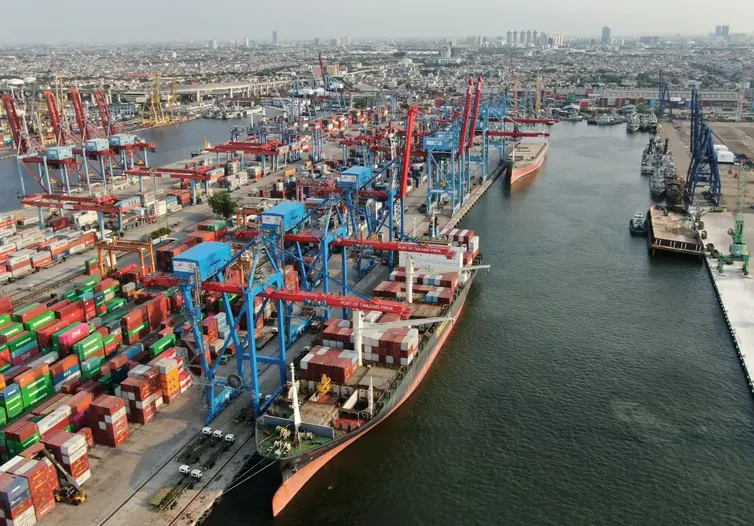
For an Egyptian importer or distributor, the stock system does more than count boxes. Its item list feeds the invoices the Tax Authority receives, its purchase costs decide whether prices in pounds still cover dollar suppliers, and its warehouse records must reflect which goods sit in a free zone and which have been released locally.
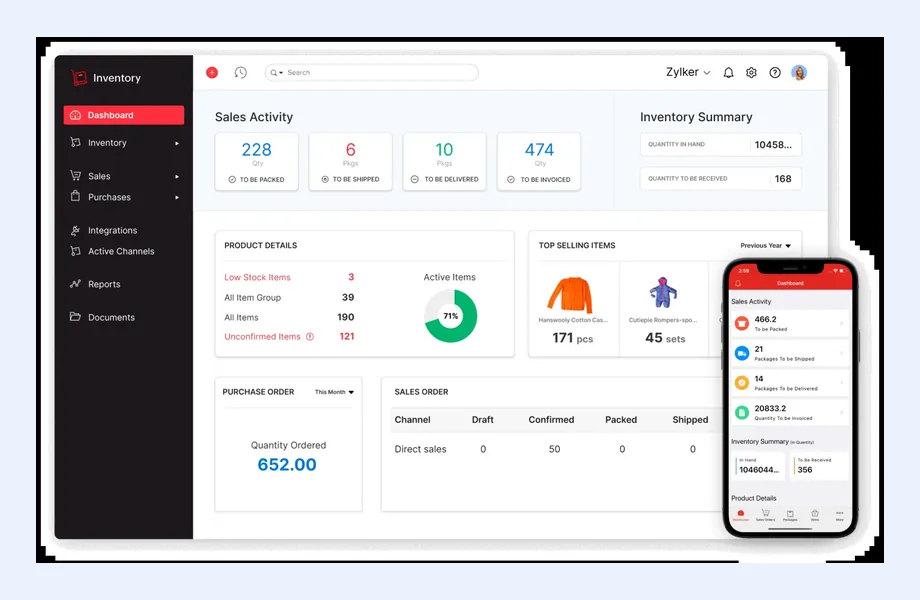
I help Egyptian traders, distributors and online sellers configure Zoho Inventory so these demands are met without slowing the warehouse down. The work is remote and in English: I trace how goods move with your warehouse and finance staff, design items, warehouses and costing, and test against real shipments and orders.
 What I Do
Each item addresses a stock or data question Egyptian businesses face when Zoho Inventory sits between purchasing, sales channels and the tax invoice.

Item records holding the product codes, units of measure and descriptions your e-invoice route expects, agreed with finance so whatever system submits invoices receives clean and consistent data.

Landed cost rules adding freight, duty, clearing, port and bank charges to dollar or euro purchases, with the rate evidence attached and allocation agreed with your accountant.

A warehouse and organization structure that keeps goods held in a free zone separate from released local stock, with movements between them supported by the right documents.

A review of how orders from marketplaces, your web shop and social selling reach Zoho Inventory, whether connectors exist for Egypt, and where middleware or imports are needed.

Rules for cash on delivery orders refused at the door, courier returns and damaged goods, so stock comes back into the right location and finance sees what was actually collected.

Item cleanup, a counted opening balance per warehouse, opening values agreed with finance and open orders carried across, reconciled before the old system is switched off.
How I Work
Trace items, imports and channels
 Item list and codes reviewed
Import cost steps listed
Warehouse and zone structure
Channel and courier flows
Item list and codes reviewed
Import cost steps listed
Warehouse and zone structure
Channel and courier flows
Set and test the rules
Items, units and codes loaded
Landed cost tried on one shipment
Returns flow tested with couriers
Invoice data checked by finance
Go live on verified numbers
Physical count per warehouse
Opening values agreed
Old and new totals compared
Monthly count routine set
Egyptian e-invoices carry structured item information, including product codes from a recognized coding scheme, either internationally registered barcodes or internal codes registered with the Tax Authority, together with units of measure and descriptions. If your stock system holds vague item names and inconsistent units, every invoice built from it inherits the problem, and rejections follow.
Zoho Inventory does not itself submit documents to the Tax Authority. Invoices are issued through Zoho Books, a connector or your ERP, as discussed on the Zoho consultant Egypt page, and any built-in capability should be confirmed with Zoho for your edition. What Inventory can do is hold the item data correctly from the start:
Your tax advisor and the team operating the submission route confirm the exact requirements. I make sure the item master can meet them and that new items cannot bypass the rules.
Egyptian importers buy in dollars or euros, pay through bank arrangements that carry their own charges, and then face duty, clearing, port and transport costs in pounds. When the exchange rate moves sharply, knowing the true cost of each batch on the shelf becomes essential for pricing.
Zoho Inventory supports landed costs on purchases in its supported editions, and the allocation options should be checked for your edition. The design decisions are agreed with your accountant:
We test the method on a recent shipment and compare it with your accountant's manual calculation. Sales then price from a cost they can defend when the pound moves again.
Some Egyptian traders hold goods in a free zone, either for re-export or before releasing them into the local market. Goods inside the zone and goods released locally have different customs and tax positions, and the movement from one to the other is a documented event, not a simple warehouse transfer.
How this is modeled depends on your legal structure, which your advisors confirm:
Reports then show stock by zone status, so management can see what is available for local sale today versus what still needs release. Duty paid on release becomes part of landed cost for the local stock. This is an area where I document the process carefully and leave the customs and tax interpretation to your broker and advisors.
Egyptian online sellers often combine marketplaces, their own web shop and orders taken through social media and messaging, with couriers delivering and many customers paying cash on delivery. Refused deliveries and returns can be a significant share of orders, so stock and cash records drift quickly if returns are not handled with discipline.
Zoho publishes integrations with some online store platforms and marketplaces, but availability for Egyptian sellers and the depth of each connection should be confirmed with Zoho for every channel. Where a native link is missing, middleware or a scheduled import may be the realistic option. Courier integrations are similarly region-dependent.
The process rules matter more than the connectors:
These figures often reveal which channel or area is losing money, which matters more than the headline sales total. The system integration in Egypt page covers the interface side.
In my designs Zoho Inventory handles items, stock, orders and shipments, while tax invoices, credit notes and any e-receipts come from the system responsible for submission. Retail counters issuing e-receipts usually need a point-of-sale tool that posts sales and stock movements back to Zoho. Whether any Zoho app can submit directly for your organization is for Zoho to demonstrate, and which documents you must issue is for your tax advisor to confirm.
Zoho Inventory also has limits that matter in Egypt. I recommend a fuller ERP when:
In those cases Odoo, ERPNext or Dynamics 365 may serve better, and an ERP evaluation compares them on your own scenarios. The global Zoho Inventory page and the Egypt hub explain more about how I work remotely.

Tell me about your business and current systems. I’ll suggest the most sensible first step.
Book a Consultation
Not sure which ERP you need?
Share your business requirements with me and I will help you understand the right process, architecture and platform before implementation.
FAQ
Inventory itself is not the submission point. Invoices are issued through Zoho Books, a connector or your ERP, and any direct capability should be demonstrated by Zoho for your edition. Inventory's job is to hold item codes, units and descriptions correctly so submitted documents are accurate. Your tax advisor confirms what applies to your company.
Through landed cost on each purchase, with the exchange rate evidence attached to the foreign currency bill. Which charges go into stock value, and on what basis they are spread, is your accountant's call. We test the method against a recent shipment so the cost on the shelf matches the cost finance would calculate manually.
Yes, with the right structure. A separate free zone entity usually gets its own Zoho organization; if your advisors confirm one entity is acceptable, the zone becomes a distinct warehouse. Releases into the local market are recorded with customs references, and duty paid becomes part of landed cost.
Stock committed to the order is released when the courier reports a refusal, the parcel goes to a returns location for inspection, and cash is reconciled against the courier's settlement statement in Zoho Books. Reporting refusal rates by channel, city and courier then shows where the losses come from.
Every business is different. Share where you are today and what you want to fix, and I’ll tell you honestly whether and how I can help.
Book a Consultation
Insights
 Book a Consultation
Book a consultation to talk through your processes, systems and goals. I’ll reply with practical next steps - no obligation.