Contact Info
 ERPNext Manufacturing in Switzerland
Does ERPNext Manufacturing suit Swiss producers?
ERPNext Manufacturing suits Swiss chocolate, dairy, bakery and other food producers, and small precision parts makers, when production runs on recipes or bills of materials with batch or serial tracking, measured inspections and costs in francs. Process loss, expiry dates and multilingual labels need careful design, and regulated or highly automated plants may need specialist software alongside. I review the fit and design the setup remotely, without ties to Frappe or Swiss implementers.
Last reviewed by Vikas Saroj
Switzerland has many small producers with demanding customers: confectioners and cheese makers supplying retailers at home and abroad, contract bakeries, and workshops machining small parts to tight tolerances for medtech, watch and instrument companies. Their volumes are modest, but traceability, quality records and cost accuracy are expected to match those of much larger plants.
ERPNext can carry that if recipes, batches and inspections are designed with care. I lead that design remotely with your production and quality staff, test it on a real production week and tell you plainly where Swiss requirements call for a specialist system instead of more customization.
 What I Do
The services cover what a Swiss retailer, medtech buyer or food inspector will ask to see, and what your finance team needs to price products correctly.

Bills of materials that work as recipes, with ingredient quantities per batch, process loss, packaging levels and by-products, so stock and cost reflect what really leaves the kitchen or line.

Batch numbers with production and expiry dates on raw materials and finished goods, stored supplier lot numbers, and picking rules that keep older stock moving first.

Quality inspection templates with numeric readings and tolerance limits for precision parts, plus sensory or temperature checks for food lots, recorded against the batch or serial number.

Item fields for ingredients, allergens and origin that feed labels and specifications in German, French and Italian, with wording drafted by people who speak each language natively.

Product cost from ingredients or bar stock bought in euros, landed import costs, workstation hours and packaging, valued in francs with a method agreed with your fiduciary.

A written decision on who maintains the setup and any custom apps after go-live: an in-house developer, a Swiss service firm or a remote team, each with clear review steps.
How I Work
One batch from intake to dispatch
 Ingredient and lot intake
Process steps and losses
Checks and records kept
Labeling languages needed
Ingredient and lot intake
Process steps and losses
Checks and records kept
Labeling languages needed
Recipes, batches and inspections
BOMs with process loss
Batch and expiry rules
Inspection templates
Workstation hourly rates
A real production week
Yield versus plan
Mock recall completed
Cost per unit reviewed
Specialist gaps listed
A chocolate maker, a dairy or a contract bakery works from recipes rather than engineering drawings. ERPNext uses the same bill of materials structure for both, so the recipe becomes a BOM with ingredient quantities for a defined batch size. The difficulty lies in what the recipe does not say: moisture loss in baking, trimming in confectionery, whey as a by-product in cheese making.
Design decisions I make with your production manager:
ERPNext is not a formulation system: it will not optimize recipes for nutrition or cost. For that, a specialist tool feeds the final recipe into ERPNext. My general method for BOMs and planning is on the ERPNext Manufacturing consultant page.
Swiss retailers and export customers expect a producer to trace any lot quickly in both directions. ERPNext tracks batch numbers on items through receipts, manufacture entries and deliveries, and batches can carry manufacturing and expiry dates.
What I set up so the trace holds:
Before go-live, the team completes a mock recall: one ingredient lot, every finished batch that used it, every customer delivery that received those batches. Food safety obligations and how they apply to your business are for your quality lead and the cantonal authority to confirm; ERPNext provides the data. The ERPNext consultant Switzerland page covers hosting and app questions.
Swiss machining workshops supplying medtech, watch or instrument customers live by measurement. A part may be acceptable only within narrow tolerances, and the customer wants proof per lot or per serial number.
ERPNext's quality inspection can hold numeric readings with minimum and maximum values, so a template lists each characteristic, its acceptance range and how many readings are taken. Inspections can be required on receipt, during production or before delivery, and a failed inspection can block the stock movement.
How I design it for a precision shop:
There are limits. Readings typed by hand from a gauge are slow and error-prone; automatic transfer from measuring machines needs integration work. Statistical process control charts, gauge calibration management and validated electronic records for regulated medical device production are areas where a specialist quality system usually fits better. ERPNext can then hold the release decision and the link to the batch, while the detailed measurement data lives in the dedicated tool.
A Swiss food product sold nationally typically needs label text in more than one national language, and exports add the languages of the destination market. Precision parts suppliers face a similar need for certificates and delivery documents in the customer's language. ERPNext can help by holding the data once and printing it in the right language.
The approach I use:
Which statements a label must carry under Swiss food law, and in which languages, is decided by your quality lead with the relevant authority. I make sure the system stores the approved data in one place and prints it consistently.
Many Swiss producers buy cocoa, nuts, packaging or bar stock in euros while selling in francs. ERPNext values receipts in the company currency at the exchange rate on the purchase document, and landed cost vouchers add freight, customs duties and clearing fees to the items. Production cost then adds workstation hours at rates agreed with your fiduciary or controller. I compare the resulting cost per unit with your current calculation for a handful of products before go-live.
Where ERPNext fits Swiss production well: small and mid-sized batch production, recipes with loss and by-products, batch and serial traceability, and modest automation. Where a specialist system often fits better:
Support must be planned. An in-house developer, a Swiss Frappe-focused firm or a remote team can each work, provided the repository belongs to you and every change is reviewed. I have no commercial link to Frappe or any implementer and recommend none for a fee. If the fit is doubtful, Odoo Manufacturing in Switzerland is worth comparing; my ERP consultant Switzerland page and the Switzerland hub explain how I run that remotely.

Tell me about your business and current systems. I’ll suggest the most sensible first step.
Book a Consultation
Not sure which ERP you need?
Share your business requirements with me and I will help you understand the right process, architecture and platform before implementation.
FAQ
Yes, as bills of materials with a batch size, process loss, by-products and packaging levels. Semi-finished masses or fillings become their own items with batches. ERPNext does not optimize recipes for nutrition or cost, so a formulation tool may feed the final recipe into it.
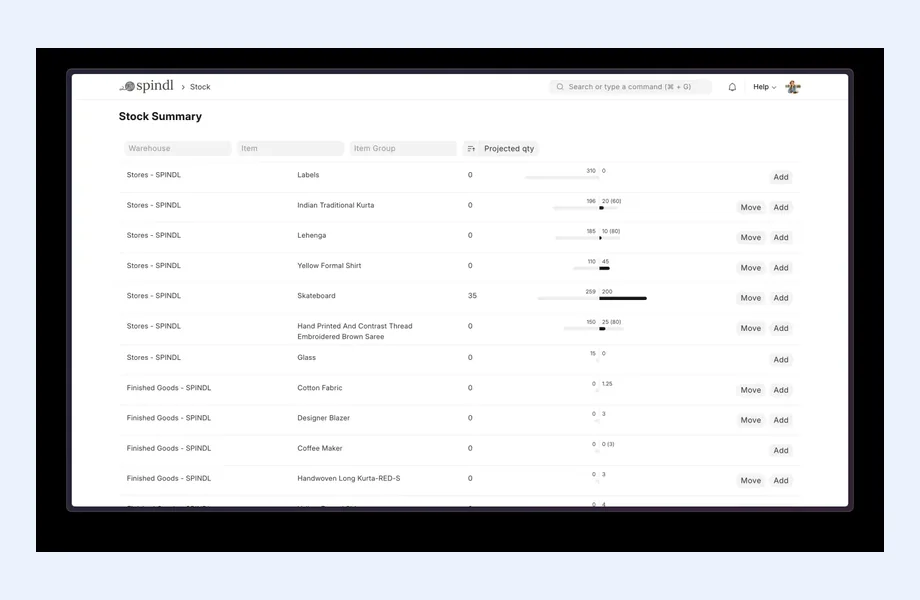
Batches can carry manufacturing and expiry dates, and reports show stock nearing its date. Whether the oldest batch is picked first depends on warehouse discipline and on how your version selects batches, so I test it. A mock recall is completed before go-live.
Its quality inspection templates hold numeric readings with minimum and maximum values, required at receipt, in process or before delivery. For statistical process control, gauge calibration or validated electronic records in regulated production, a specialist quality system usually fits better alongside ERPNext.
ERPNext supports a print language per document and translated print formats, so structured item data can print in German, French or Italian. Native-speaking colleagues or a Swiss translation agency prepare and approve each language version. Required label content is confirmed by your quality lead.
Every business is different. Share where you are today and what you want to fix, and I’ll tell you honestly whether and how I can help.
Book a Consultation
Insights
 Book a Consultation
Book a consultation to talk through your processes, systems and goals. I’ll reply with practical next steps - no obligation.