Contact Info

 Zoho Inventory Singapore
What should Zoho Inventory record for a Singapore trading company?
For a Singapore trading company, a Zoho Inventory consultant designs how stock held for re-export is separated from local stock, how goods shipped straight from suppliers to regional customers are recorded, how third-party warehouses are reconciled and how marketplace channels share one stock figure. I configure and test those flows, cover batch, expiry and landed cost, and flag when a larger system is needed.
Last reviewed by Vikas Saroj
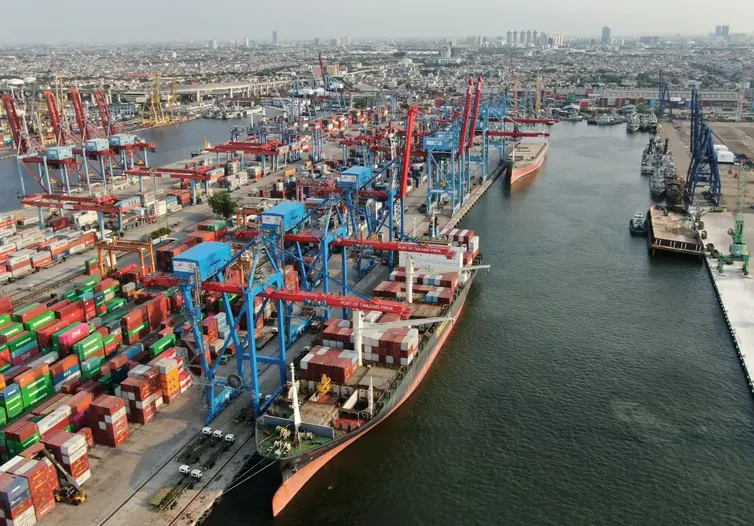
A Singapore trading company often owns stock it never touches. Goods sit in a third-party warehouse in Singapore or Johor, some are held for customers in Indonesia or Vietnam, and some orders ship straight from a factory in China to the buyer. The team in Singapore still needs to know what it owns, where it is and what it cost.
I work remotely with Singapore traders, distributors and online brands to set up Zoho Inventory as the record of that stock: locations that reflect each warehouse and customs status, flows for drop shipments and re-exports, and reconciliations against what the warehouse operators report.
The GST, InvoiceNow and subsidiary questions sit on my Zoho page for Singapore. Here I look at the goods themselves, how Zoho Inventory records them across warehouses, channels and borders in the region, and the point where it stops being the right tool for a growing group.
 What I Do
Engagements usually start when the stock spreadsheet no longer covers every warehouse and channel, or when a third-party warehouse statement and the books stop agreeing.

Locations set by physical site and customs status, so stock held for re-export, stock cleared for the local market and stock at overseas warehouses are never added into one misleading total.

Orders fulfilled directly from supplier to regional customer recorded so the sale, the purchase and the margin are all captured, without stock passing through a Singapore location.

Receipts and dispatches at third-party warehouses fed into Zoho Inventory by file or integration, with a monthly reconciliation to the operator's stock statement and agreed treatment of differences.

Web store and Southeast Asian marketplace listings publishing one availability figure, with per-channel safety buffers, bundles modeled as composite items and returns inspected before restocking.

Batch and expiry tracking for food, supplements and personal care, and serial tracking for electronics and equipment, applied only to items where customers or regulators need it.

Supplier invoices in dollars, renminbi or euros combined with later Singapore dollar freight and handling bills, so each received item carries its true cost into margin reporting.
How I Work
Every site, channel and flow
 Warehouses and their statuses
Drop-ship and re-export orders
Channels taking orders
Operator stock statements
Cost build-up per shipment
Warehouses and their statuses
Drop-ship and re-export orders
Channels taking orders
Operator stock statements
Cost build-up per shipment
Locations, flows, feeds and tracking
Locations by site and status
Drop-ship process set
Warehouse feeds agreed
Channel connections built
Batch and serial items
Keep the record matching reality
Monthly operator reconciliation
Channel stock exceptions reviewed
Short-dated stock listed
Valuation agreed with finance
Singapore's role as a regional trading hub shapes how its companies hold stock. Some goods are stored under arrangements that defer or suspend import GST while they await re-export, others are cleared for local sale, and some never enter Singapore at all because the supplier ships directly to the buyer. Your customs agent and accountant decide the treatment of each flow. Zoho Inventory has to keep the populations apart and the documents traceable.
How I set it up:
This is also where stock ownership questions surface. Goods paid for but still at the supplier's factory may be yours under the agreed terms, and finance needs to see them.
A Singapore trading company often rents space and services from a logistics provider rather than running its own warehouse, sometimes using one in Singapore and another across the border in Malaysia. The provider runs its own warehouse system, which means Zoho Inventory is a second record of the same stock. Two records will drift unless the link between them is designed.
What I agree with you and the provider:
Storage and handling charges from the provider are bills in Zoho Books in Singapore, tagged by warehouse so the true cost of each location is visible. When the same provider holds stock for several of your channels, I make sure each channel's reservation is visible before an order is accepted.
Singapore brands may sell through their own online store, marketplaces operating across Southeast Asia, and wholesale customers at the same time. The difficulty is a single stock figure: each channel wants to show availability, and overselling on one damages ratings on all of them.
Which marketplaces and store builders Zoho Inventory links to out of the box differs between Singapore, Malaysia, Indonesia and the rest of the region, and it changes, so I verify each storefront you run, market by market. A storefront with no link, or a link too shallow for your order volume, is joined by middleware or custom integration instead.
The design decisions behind the connections:
The Zoho page for Singapore covers when order volumes justify an order management layer in front of Zoho.
Food, supplements, personal care and healthcare products imported into Singapore generally fall under product and labeling rules that your regulatory advisor confirms. Zoho Inventory supports the discipline behind those rules: batch and expiry captured at receipt from supplier documents, picking by earliest expiry, and a short-dated listing reviewed on a set day so goods are sold or moved to another market before they lapse.
Import cost needs equal care. Suppliers may invoice in US dollars, renminbi or euros while freight and handling arrive in Singapore dollars later. Before trusting the product's landed cost tools, I replay a completed shipment through them and compare the outcome with your accountant's own workings, then agree whether charges spread by value, weight or units. If the tools cannot follow that rule, finance posts a reviewed revaluation for each shipment, filed with the forwarder's invoices.
Zoho Inventory is too light for a regional operation that needs consolidated stock across several legal entities with intercompany pricing, contract manufacturing with bills of materials, warehouse-level control the provider does not already give you, or very high order volumes. I set out the alternatives neutrally, and my Singapore ERP consultant page and the Singapore overview describe how I work remotely.

Tell me about your business and current systems. I’ll suggest the most sensible first step.
Book a Consultation
Not sure which ERP you need?
Share your business requirements with me and I will help you understand the right process, architecture and platform before implementation.
FAQ
Check how your current plan supports drop shipping, because features change. The aim is that the customer's sales order and the supplier's purchase order are linked, the margin is captured, and the goods never appear in a Singapore location. Where the built-in flow does not fit, a transit location emptied by each delivery works.
Agree how receipts and dispatches reach Zoho Inventory, by integration or a regular file, how damaged and quarantined goods are reported, and reconcile monthly to the provider's stock statement by item and batch. Differences are investigated and adjusted only with finance approval, so both records stay credible.
Some, and the answer differs by country and by platform, so I verify each storefront you operate in each market. Where Zoho has no dependable built-in link, middleware or a custom integration feeds orders in and pushes availability out, with Zoho Inventory holding the master quantity.
For each entity's own stock, often yes. For consolidated stock across legal entities with intercompany pricing and eliminations, usually not on its own. I assess how much stock moves between your companies and whether a broader ERP would carry that more cleanly before you commit.
Every business is different. Share where you are today and what you want to fix, and I’ll tell you honestly whether and how I can help.
Book a Consultation
Insights
 Book a Consultation
Book a consultation to talk through your processes, systems and goals. I’ll reply with practical next steps - no obligation.