Contact Info

 Oman
Oman
How can an ERP consultant help an Omani trading company?
An ERP consultant helps Omani importers and distributors set up VAT correctly on purchases and sales, carry landed cost in three-decimal rials, serve tender-driven buyers in energy and government-linked sectors, and control stock and credit across governorates. I map those flows remotely, compare Zoho, Odoo, ERPNext and Dynamics 365 on your own scenarios, and oversee implementation without any vendor ties.
Last reviewed by Vikas Saroj
I work remotely with Omani trading companies that import industrial supplies, spare parts, building products, foodstuffs and consumer goods, then sell them in Muscat and across the wider country. Some bring cargo through Sohar, Salalah or Duqm, others truck it in from the UAE, and most use a mix depending on supplier and urgency.
Three features of the Omani market shape the ERP more than anything else. VAT has to be right on every purchase and sale. The rial is counted to three decimal places, which affects unit prices and rounding. And a meaningful share of revenue often comes from tender-based buyers in oil and gas, utilities and government-linked organizations, with their own documentation and payment patterns.
I map those realities first, then help you choose and implement a platform that handles them without side spreadsheets.
 What I Do
Omani traders typically reach me when VAT, tender paperwork and a second or third branch have made their entry-level system hard to live with.

Tax codes for local sales, exports, purchases and imports, recoverable import VAT kept out of stock value, and credit notes handled consistently, all set from your tax advisor's guidance.

Unit prices and costs carried at three decimals, rounding rules agreed for invoices and bank files, and landed cost allocations tested so small per-unit errors do not add up across a container.

Bid tracking, price agreements, call-off orders against framework contracts and the delivery and inspection documents larger buyers ask for, linked to the invoice they eventually approve.

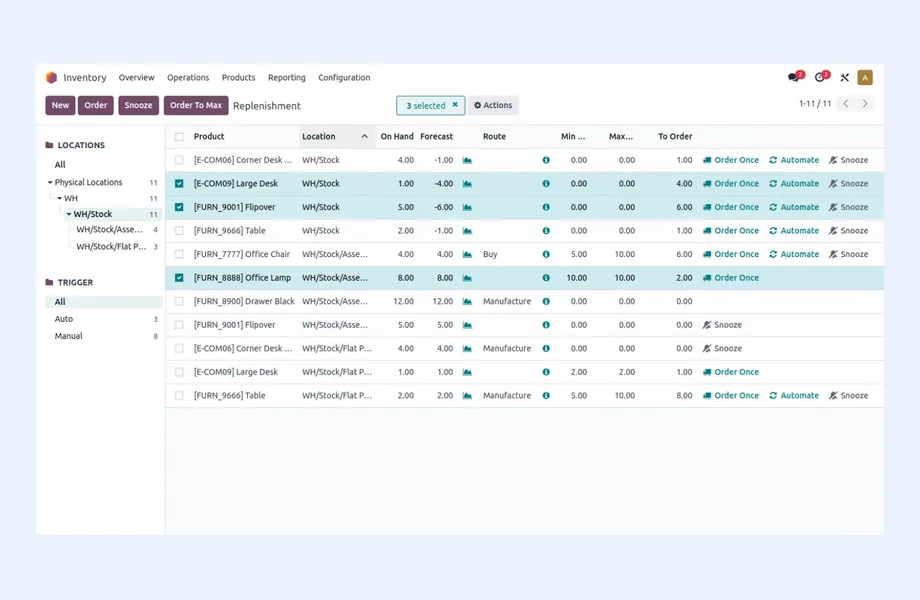
Warehouses for Muscat and outlying branches, transfers with stock in transit visible, and replenishment that reflects long road distances and the lead time for imported items.

Scripted demonstrations on your own trade scenarios, scored by your finance, sales and stores leads, with a clear view of each vendor's VAT and e-invoicing approach for Oman.

Moving items, customers, suppliers and open balances from Tally or a legacy system, then overseeing testing and go-live with the implementer until the first VAT period closes cleanly.
What to Measure
An ERP for trading should make these numbers available without a spreadsheet. I design the data model and reports around them from the start.
Platform Fit
How I Work
Trade, tax and branch reality
 Import route review
VAT touchpoints listed
Tender order samples
Branch stock walkthroughs
Import route review
VAT touchpoints listed
Tender order samples
Branch stock walkthroughs
Requirements and vendor tests
Three-decimal rules agreed
Tender workflow defined
Scripted platform demos
Fit-gap signed off
Oversight through first VAT period
Implementer coordination
Data cleansing and load
UAT on real invoices
First return data check
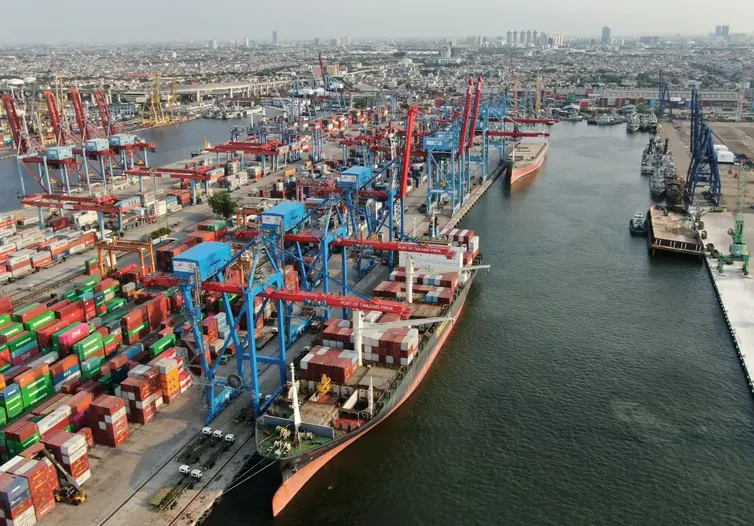
Oman has more port options than most of its neighbors, and trading companies use them differently. Goods from Asia may arrive at Sohar or come through Salalah, project cargo might be routed to Duqm, and a large share of fast-moving stock still arrives by truck from UAE suppliers or after transshipment in Jebel Ali. Each route has its own freight forwarder, clearing agent and set of charges, and some include free zone or special economic zone stages with their own paperwork.
For ERP design, the important point is that the route changes the cost. A pallet trucked overnight from the UAE carries a different landed cost profile from the same item shipped direct from the factory. I set up shipment records that capture route, documents and every related invoice, so buyers can compare true cost by route rather than by supplier price alone.
Where goods move between GCC states, origin documents and customs union treatment affect duty. Your clearing agent and advisor confirm what applies; I make sure the ERP stores the certificate references and declaration numbers against the shipment so audits and queries can be answered quickly. The trading ERP page covers the general import cycle.
The Oman Tax Authority runs VAT, and a trading business meets it on almost every document: tax invoices for local customers, zero-rated or exempt supplies where your advisor confirms they apply, import VAT paid at clearance, and credit notes for returns and price corrections. The requirement I write lists each scenario with the expected tax code, so configuration and testing follow the same rules. Check treatment of every scenario with your tax advisor, because I translate their guidance into the system rather than giving tax advice.
The rial is divided into a thousand baisa and is pegged to the US dollar. The peg keeps dollar purchases stable, but three-decimal amounts still need care: unit costs after landed cost allocation, price lists, rounding on invoices and bank payment files must all agree. Purchases in euros or yuan still create exchange differences that should post separately from margin.
E-invoicing is being introduced in Oman. Rather than guessing at the final technical rules, I ask each vendor how their platform will support it, and make sure customer tax numbers, addresses and item descriptions are clean now. My Oman ERP consulting page covers VAT setup across other sectors.
For many Omani traders, the best customers are also the most demanding. Oil and gas operators, utilities and government-linked organizations often buy through tenders and framework agreements, require vendor registration and product documentation, and approve invoices only after delivery and inspection paperwork matches the purchase order line by line.
That flow needs more than a sales order. I design a path from bid or quotation to agreed price list, then call-off orders against the framework, deliveries with the certificates and test reports the buyer expects, and invoices that reference the customer's order and receipt numbers exactly. When the customer rejects an invoice, the reason is recorded so finance can see why cash is delayed.
Payment cycles for these buyers can be long, while smaller trade customers may pay with post-dated checks. I set requirements for credit limits that reflect both patterns, a check register tied to customer balances, and an aging report split by customer type. That gives management a realistic cash view instead of one blended debtor figure. Where tender requirements need careful documentation, my business analysis work in Oman goes deeper into specifications and sign-off.
Oman's geography matters for stock. A trader with a main warehouse in Muscat and branches in Sohar, Nizwa or Salalah deals with long transfer distances, and a shortage in a distant branch cannot always be fixed the same day. Replenishment rules have to reflect transit time from the central store as well as supplier lead time for imported items.
I design each branch as its own warehouse, with transfers that show goods in transit, minimum stock levels per location, and approval rules for urgent moves. Branch managers see their own stock and customers, while head office sees the full picture by governorate.
Many of these businesses are family-owned and hold distributorships or commercial agencies for international brands. The legal side of those arrangements is for your lawyer; operationally, I make sure each brand can be reported separately for the principal, and that the family's approval thresholds and visibility needs are built into the workflow. When a group also runs contracting or services companies, entity structure and intercompany sales are agreed early, before the chart of accounts is fixed.
Most Omani traders I speak with run Tally, an older regional accounting package or a locally built system, plus spreadsheets for import costing and tender tracking. The move is usually triggered by VAT friction, a new branch, or an owner who wants margin by item without waiting for month end.
I build the evaluation around your scenarios: a container from Asia with freight and clearing billed separately, a call-off order against a framework contract with an inspection certificate, an inter-branch transfer to Salalah, and a credit note on a partial return. Shortlisted platforms and implementers run each one on screen, and the fit-gap is scored by your own team.
For migration, I concentrate on balances and masters that must be right on the first day: items with three-decimal costs, customers with tax numbers and limits, open checks, open purchase orders and goods in transit. Work is delivered remotely through online sessions within the Omani working week, alongside vendor selection and implementation oversight. See the Oman overview for how engagements are run.

Tell me about your business and current systems. I’ll suggest the most sensible first step.
Book a Consultation
Not sure which ERP you need?
Share your business requirements with me and I will help you understand the right process, architecture and platform before implementation.
FAQ
In most setups, import VAT paid at clearance is recorded as recoverable tax rather than added to item cost, so stock is valued correctly and the VAT return picks it up. The exact treatment depends on your registration and circumstances, so your tax advisor confirms it. I make sure the configuration follows that advice and test it on real shipments.
Because costs, prices and rounding are calculated at that precision across every module. If one area, such as landed cost allocation, a bank file or an integration, rounds to two decimals, small differences accumulate and reconciliations stop matching. I list the precision rules in the requirements and test them end to end before go-live.
Most platforms can record agreed prices and call-off orders against a contract, though the exact feature differs. The harder part is the documentation buyers expect: certificates, inspection reports and exact order references on invoices. I define that flow with your sales and finance teams so the chosen system supports it without side spreadsheets.
No. I work remotely, running workshops and reviews online within the Sunday to Thursday week, and storekeepers can share short videos or photos of receipts, transfers and dispatch. If a particular stage clearly benefits from being in person, a visit can be discussed by arrangement.
Every business is different. Share where you are today and what you want to fix, and I’ll tell you honestly whether and how I can help.
Book a Consultation
Insights
 Book a Consultation
Book a consultation to talk through your processes, systems and goals. I’ll reply with practical next steps - no obligation.