Contact Info

 Adelaide
What does an ERP business analyst cover for Adelaide firms?
An ERP business analyst captures the rules behind daily work, such as pricing, costing, approvals and compliance checks, and writes them so each can be tested. In Adelaide that may mean former automotive suppliers describing a new mix of short runs, drinks makers recording container deposit duties, or processors defining labor hire checks and grower settlements. I run the workshops remotely and deliver requirements, decision tables and test scripts.
Last reviewed by Vikas Saroj
Many Adelaide businesses follow rules that no off-the-shelf system knows about: a deposit on every can sold into another state, a license check before a vintage crew starts, a grower paid in stages from a pool, or a workshop that once made one part in volume and now quotes a different job each week.
As an ERP business analyst working remotely, I write those rules down before a platform is chosen: process maps, decision tables and numbered requirements with owners, then acceptance scripts built from your own records. Legal and tax points are confirmed by your advisors, and my job is to make sure the system records and reports what they decide.

 What I Do
Each deliverable takes a rule your business lives with and turns it into something a vendor can answer and a tester can check.

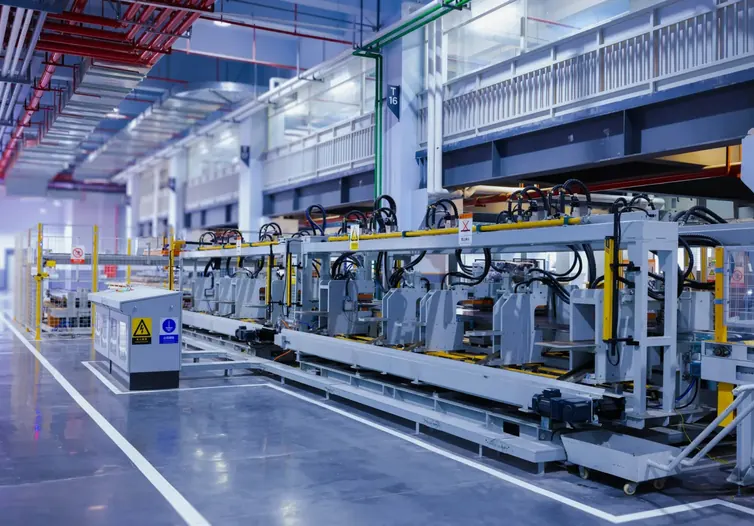
For manufacturers that once supplied car assembly, I document how quoting, routing, inspection and scheduling must work for today's smaller and more varied orders, and flag settings left over from scheduled automotive call-offs.

For brewers, distillers and soft drink makers, I specify how container approvals, deposit and handling charges and volumes by state are recorded, so the figures each scheme operator asks for come straight from the system.

I write requirements for holding each labor hire provider's license details, checking status before work is ordered and allocating crew invoices to blocks, lines or shifts, with the legal rules confirmed by your advisor.

Price schedules by grade, pool advances and final payments, quality deductions, levies withheld for growers and the statements they receive are written as decision tables your finance team can verify.

One document links every requirement to the process step it came from, the person who raised it and the test that will prove it, so nothing is lost between a workshop and a vendor response.

Acceptance tests built from your own transactions, such as a one-off quoted job, an interstate drinks order, a labor hire invoice and a grower's final payment, each with its expected result agreed beforehand.
My Consulting Journey
Business first, technology second. You can hire me for one step - a BRD, a gap analysis, a vendor shortlist - or for the whole journey.
How I Work
See today's work and its rules
 Walk through real orders
Collect contracts and scheme notices
Note every manual check
Hear finance and floor staff
Walk through real orders
Collect contracts and scheme notices
Note every manual check
Hear finance and floor staff
Turn rules into numbered requirements
Decision tables for settlements
Supplier and product record fields
Reports buyers and schemes expect
Owner sign-off per section
Run real cases before go-live
Script local test cases
Agree expected results first
Log and retest defects
Record acceptance by section
Car assembly in Adelaide's north and south once anchored a large network of component makers. Some of those businesses, and many of the engineers who worked in them, now make parts for defense, medical, agricultural, mining and building customers. Their ERP was often configured for a different world: long runs of the same part, delivery schedules sent electronically by one dominant customer, and quality steps built around that customer's approval rules.
Today's work looks different. Orders are smaller and more varied, each one may start with a quote and a drawing, routings change from job to job and inspection requirements vary by customer. When that work is pushed through settings designed for repetitive supply, staff fill the gaps with spreadsheets and the costs in the system stop meaning much.
As a business analyst I document the current mix of work rather than the old one. That covers how quotes are built and approved, how a drawing becomes a routing, how material is reserved for a job, which inspection records each customer expects and how actual hours flow back to cost. I also list the configuration left over from the automotive years so it can be retired deliberately rather than worked around. The engineering ERP page and job costing describe the target model in more depth.
South Australia has run a container deposit scheme for longer than any other state, and other states and territories have since introduced schemes of their own. For a brewer, distiller, cider maker or soft drink producer based around Adelaide, that becomes a set of system requirements, because each scheme has its own registration, container approvals, reporting and charges. Whether a particular package is covered, and who counts as the first supplier into each state, are questions for the scheme operators and your advisor rather than for the software.
What business analysis can do is make sure the confirmed answers are recorded and reported reliably. I document requirements for product records that link each container type to its approval in each scheme, costing that includes deposit and handling charges so margins are not overstated, sales reporting by state of delivery and container type, and checks that match invoices from scheme operators against the volumes you reported.
Interstate distributors add a wrinkle, since the business that first supplies a drink into a state may not be the brewer. The requirements spell out which party reports which volumes for each customer, so finance does not discover gaps at period end. The food and beverage ERP page covers production and batch records, while requirements gathering explains how the full set is assembled.
Vintage, fruit picking in the Riverland and the Adelaide Hills, pruning, packing and meat processing all depend on seasonal crews, and many of those workers arrive through labor hire providers. South Australia licenses labor hire providers, and a business that uses an unlicensed one can face consequences of its own. Your advisor should confirm exactly what the law asks of you, but the ERP can make the checks routine instead of relying on someone's memory during the busiest weeks of the year.
The requirements for this area cover supplier records that hold each provider's license details and the date its status was last checked, a rule that stops a purchase order or timesheet approval for a provider without a current check, reminders before a recheck falls due, and the evidence kept for an auditor or a customer audit. Some retailers and exporters also ask suppliers how they manage labor risks in their supply chains, and the same records can help answer those questionnaires.
Cost allocation matters as well. Crew invoices may arrive weekly with mixed rates, so the requirements define how hours are matched to vineyard blocks, packing lines or shifts and how disputed hours are held back until resolved. Payroll for your own employees stays in its specialist system, as the national ERP business analyst page explains.
Plenty of South Australian processors and marketers buy directly from growers: winegrapes from the Riverland, the Barossa and Langhorne Creek, almonds and citrus along the Murray, and grain from the Mid North and Eyre Peninsula. The purchasing side of these businesses is far from a simple supplier bill. Prices depend on variety, grade and quality results, some products are sold through pools with an advance and later final payments, deductions apply for defects or freight, and levies may be withheld on the grower's behalf.
Those rules tend to live in contracts, spreadsheets and the memory of the person who runs settlements. I turn them into decision tables that show, for each product and contract type, how the price is calculated, which quality inputs it uses, when each payment falls due and what the grower statement must show. Finance and the grower relations team review every table before any platform is scored against it.
This work can decide the shortlist. A general ERP may handle a fixed-price purchase well yet struggle with pool accounting or staged grower payments, which points to an add-on, a specialist system or custom development. Contract terms, industry codes and levy rules are confirmed with your advisor. The procurement automation page and gap analysis describe how such findings are weighed.
Requirements only earn their keep when they are tested with real transactions. Once the document is signed off, I turn each priority area into acceptance scripts drawn from your own records, with the expected result agreed by the process owner before anyone touches the system.
A script set for an Adelaide business might mix the areas above. A quote for a one-off machined part for a new medical customer runs through routing, material reservation, inspection and actual cost. A pallet of canned drinks for a Darwin distributor carries its deposit cost and appears in the report by state and container type. A labor hire invoice from a provider whose license check has lapsed is stopped until the check is renewed. A grower receives an advance, a quality deduction and a final pool payment, and the statement shows each line clearly.
Each script records who ran it, what happened and whether the result matched. Failures go to a defect log with an owner and a retest date, and sign-off is recorded section by section rather than as one blanket approval. The same scripts later become training material for new staff. My testing and UAT page explains the method, and the Adelaide ERP consultant page covers platform selection for the state's industries.

Tell me about your business and current systems. I’ll suggest the most sensible first step.
Book a Consultation
Not sure which ERP you need?
Share your business requirements with me and I will help you understand the right process, architecture and platform before implementation.
FAQ
Sometimes, with changes. Many systems support both repetitive and job-based manufacturing, but settings chosen for long runs and scheduled call-offs can get in the way. I document how your current work actually flows, compare it with the existing configuration and show whether reconfiguring, adding a module or replacing the system is the sensible path.
In the ERP once you sell into more than one scheme or in any real volume. Linking products to container approvals, adding deposit and handling charges to product cost and reporting volumes by state are repeatable rules. Which products are covered and who reports them are questions for the scheme operators and your advisor.
It can be designed to. Supplier records can hold license details and the date of the last check, and purchase orders or timesheet approvals can be blocked when the check is missing or out of date. What the law requires of your business is confirmed by your advisor, while the system makes the routine visible.
Some platforms can with configuration, while others need an add-on or a specialist grower payments system. The answer depends on how your prices, quality deductions, pool calculations and levy withholdings work. I write those rules as decision tables first, then test each shortlisted platform against them before you commit.
Every business is different. Share where you are today and what you want to fix, and I’ll tell you honestly whether and how I can help.
Book a Consultation
Insights
 Book a Consultation
Book a consultation to talk through your processes, systems and goals. I’ll reply with practical next steps - no obligation.