Contact Info

 UAE
UAE
Why bring an ERP consultant into a UAE consulting firm?
Many UAE consultancies run regional engagements from one base: government mandates at home, projects in Saudi Arabia, Oman or Qatar, and specialists flown in for short assignments. I map how your firm proposes, staffs, mobilizes and bills that work, including key personnel commitments and tax withheld by clients abroad, and only then shortlist and implement a platform that shows real engagement margin.
Last reviewed by Vikas Saroj
I work remotely with UAE consultancies that staff engagements from a shared pool and deliver across the region: strategy and transformation advisors, technology consultancies, PMO specialists and boutique firms serving government entities. A single engagement can involve consultants on UAE visas, associates abroad and specialists brought in for a few weeks.
The systems behind that work are often stretched. Proposals name key personnel the firm must keep on the engagement, mobilization costs sit in expense claims nobody rebills, and fees from clients in neighboring countries arrive short because tax was withheld. I map that reality before discussing any platform.
 What I Do
My clients here are managing partners, COOs and finance heads of UAE consultancies whose delivery crosses borders and client types.

I trace how a technical and commercial proposal becomes a signed contract, a staffing plan, visas or travel arranged and consultants on site, showing where costs and commitments escape the system.

Requirements for recording the named experts each proposal commits, their allocation, approved substitutions and the client approvals needed before anyone is moved off an engagement.

Rules for invoicing clients in other Gulf countries: contracting entity, currency, tax treatment confirmed by advisors, and how amounts withheld at source are recorded against each invoice.

Per diems, flights, accommodation and visa costs coded to engagements with a clear rebillable flag, so margin reflects the real cost of putting a consultant in front of a client.

A staffing view across entities and locations that shows who is booked, who is free, which skills and languages they bring, and which pipeline opportunities need them next.

A fair comparison of platforms and implementers against your own regional scenarios, followed by a review of proposals so the scope you buy matches the firm you run.
What to Measure
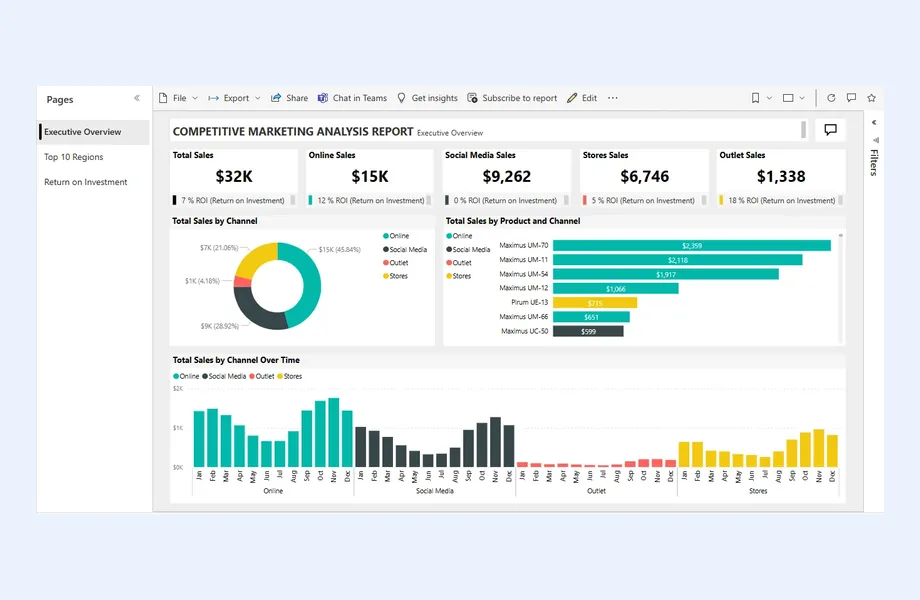
An ERP for consulting should make these numbers available without a spreadsheet. I design the data model and reports around them from the start.
Platform Fit
How I Work
How work is won and delivered
 Partner and PMO interviews
Contract and proposal samples
Mobilization cost walkthrough
Cross-border invoice review
Partner and PMO interviews
Contract and proposal samples
Mobilization cost walkthrough
Cross-border invoice review
Rules confirmed with advisors
Key personnel requirements
Withholding treatment documented
Per diem policy encoded
Scenario-based platform demos
Implementation across entities
Implementer coordination
Open engagements migrated
UAT on regional engagements
Margin and bench dashboards
A common shape for UAE consultancies is a firm licensed in a free zone or on the mainland that delivers work in Saudi Arabia, Oman, Qatar, Kuwait or Bahrain as well as at home. Sometimes a local entity or branch signs the contract, sometimes the UAE company contracts directly, and sometimes a firm in the client's country holds the agreement and subcontracts the work.
Each route changes what the ERP has to record. I map, per engagement, which entity contracts, which entity employs the consultants, which currency the client pays in and how costs move between entities. Where staff from the UAE company work on a contract held by an affiliate, the intercompany recharge needs agreed rules, not a year-end adjustment.
Withholding tax is the detail that most often distorts receivables. Several Gulf countries apply withholding tax to certain payments made to non-resident service providers, so a client may pay less than the invoice and provide a certificate or reference for the amount withheld. If the system cannot record that difference as tax withheld rather than an unpaid balance, aged debt reports overstate what is owed and partners chase money that has already gone to a tax authority. Treatment and treaty relief vary by country and payment type, so confirm them with your tax advisor; I design the ERP to apply what they confirm. For UAE VAT and corporate tax design, see my UAE ERP consultant page.
Government entities and government-related companies are major buyers of consulting in the UAE. Their tenders usually ask for a technical proposal with named key personnel and CVs, a commercial proposal priced by deliverable, by person-month or a mix, and evidence of vendor registration. Once the contract is awarded, the named people matter: replacing a key expert generally needs client approval and a comparable profile.
Most firms track key personnel in proposal documents and email. I bring it into the system as data: each engagement lists the committed experts, their allocation, the approved substitutes and any pending requests. The resourcing team then sees, before booking someone elsewhere, that moving them would breach a commitment.
Billing on these mandates usually follows deliverable acceptance. A report or workshop is submitted, a client committee reviews it, an acceptance is issued, and only then can the invoice go through the client's process. I design milestones with statuses that mirror that path, so partners can see work delivered but not accepted, accepted but not invoiced, and invoiced but not paid. Those are three different conversations with the client, and an aged receivables report alone hides them. For the fee cycle in UAE law, audit and design firms, see professional services ERP in the UAE.
Regional engagements bring costs that a purely domestic consultancy never sees. A specialist may fly in for a short diagnostic phase, a team may spend weeks in Riyadh or Muscat, and business visas, flights, hotels, ground transport and daily allowances all have to be paid, approved and, where the contract allows, rebilled.
Contracts handle this differently. Some include all travel in the fee, some reimburse actual costs against receipts, some pay a fixed daily allowance and some cap reimbursement at the client's own policy. I record those terms on the engagement and design expense approval so each claim is tagged as rebillable or absorbed at the point it is approved, with supporting documents attached.
Per diem policy is the other half. Consultants often receive a daily allowance from the firm that differs from what the client reimburses. Both amounts belong in the system, because the gap between them is a real cost to the engagement. When mobilization costs are coded properly, a regional engagement that looked profitable on fees alone can be judged honestly, and future proposals can price travel with evidence rather than guesswork.
Consultancies in the UAE often combine salaried consultants, regional associates and specialists contracted per assignment. Salaried staff carry costs beyond salary, including housing, visa, medical cover and end-of-service obligations, so a week on the bench is expensive. Associates cost nothing while unused but need contracts, rate agreements and invoice matching.
I agree utilization definitions with the partners before anything is configured: what counts as available time, how leave and public holidays reduce it, whether proposal work and business development count as productive, and whether associates appear in the measure at all. Different practices often hold different views, and a report nobody accepts is worse than no report.
Then I specify the staffing view. Each consultant carries skills, languages, sector experience and current bookings, with soft bookings from pipeline marked separately. Resource managers see who rolls off an engagement soon and which opportunities need similar profiles. Associates appear in the same view with their availability, so the firm can choose between using bench capacity and bringing someone in. The consulting model in general is described on my ERP for consulting firms page.
UAE consultancies are approached by implementers offering their preferred product, often with a template designed for trading or contracting. Consulting needs a different emphasis: engagements, people and acceptance rather than items and stock. I stay independent, write the requirements first and test each shortlisted option with scenarios from your own work, such as a government deliverable milestone, a cross-border invoice with tax withheld and a key personnel substitution.
After the demos I score fit against the requirements and review each implementation proposal for scope, assumptions and support. During delivery I coordinate with the implementer, prepare UAT scripts built on live engagements and check that opening balances for unbilled work, retainers and withholding receivables are correct.
Engagements with UAE firms run remotely, which mirrors how your own teams already work between client sites: partners join workshops from wherever they are, and process maps and specifications sit in shared documents. Sessions follow your working week, and in-person time is possible by arrangement. The UAE hub outlines my wider work with businesses in the Emirates.

Tell me about your business and current systems. I’ll suggest the most sensible first step.
Book a Consultation
Not sure which ERP you need?
Share your business requirements with me and I will help you understand the right process, architecture and platform before implementation.
FAQ
The withheld amount should be recorded as tax withheld against the invoice, supported by the client's certificate or reference, rather than left as an unpaid balance. That keeps aged receivables honest. Your tax advisor decides whether any credit or treaty relief applies; I design the entries and reports around the treatment they confirm.
It can warn rather than block. When key personnel are recorded on the engagement, the staffing view flags any booking that would reduce a committed expert's allocation, and a substitution request can follow an approval workflow. The decision stays with partners, but it is made with the commitment in plain view.
Only where the contract allows it, and often at a different amount from what you pay the consultant. I record each client's reimbursement terms on the engagement and the firm's own allowance policy separately, so invoices follow the contract and engagement margin reflects the true cost of travel.
Yes. Your partners and consultants are often between client sites anyway, so online workshops, shared process maps, requirement reviews and remote UAT fit the way the firm already operates. Sessions are planned around your working week. If a key design decision would benefit from meeting in person, that can be arranged separately.
Every business is different. Share where you are today and what you want to fix, and I’ll tell you honestly whether and how I can help.
Book a Consultation
Insights
 Book a Consultation
Book a consultation to talk through your processes, systems and goals. I’ll reply with practical next steps - no obligation.