Contact Info

 Technical SEO South Africa
Why do South African websites need technical SEO?
A technical SEO consultant for South Africa checks that search engines can reliably reach, render and index a site's important pages. My remote work covers hosting, uptime during power interruptions and CDN caching, stock-fed catalogs and filters, lean pages for costly mobile data, Afrikaans URL characters, duplicates across .co.za and .com sites, structured data, migrations and logs. Rankings are never promised.
Last reviewed by Vikas Saroj
South African sites face a mix of technical pressures that overseas checklists rarely mention. Servers hosted far away or on premises that lose power, catalogs synced from stock systems at the depot, data-hungry pages for visitors paying for every megabyte, and a .co.za site living alongside a .com or a UK version. Any of these can stop search engines from reaching, rendering or trusting the pages you care about.
For South African retailers, distributors, manufacturers and B2B firms, I take on technical SEO remotely and independently: tracing the causes, writing fixes your developers or agency can ship and confirming them after release. Rankings are never part of the promise.
 What I Do
Diagnosis and developer tickets for the platforms, hosting setups and catalogs found on South African business websites.

I check server response, error spikes and uptime patterns in logs and Search Console, including whether outages from power or connectivity problems are showing up as failed crawls.

For catalogs fed from an ERP, accounting package or warehouse system, I check that syncs keep URLs, rand prices, stock status and markup stable rather than rebuilding pages each run.

I sort filters for brand, size, province and price into those that deserve indexable landing pages and those that should stay out of the crawl, with rules your platform can apply.

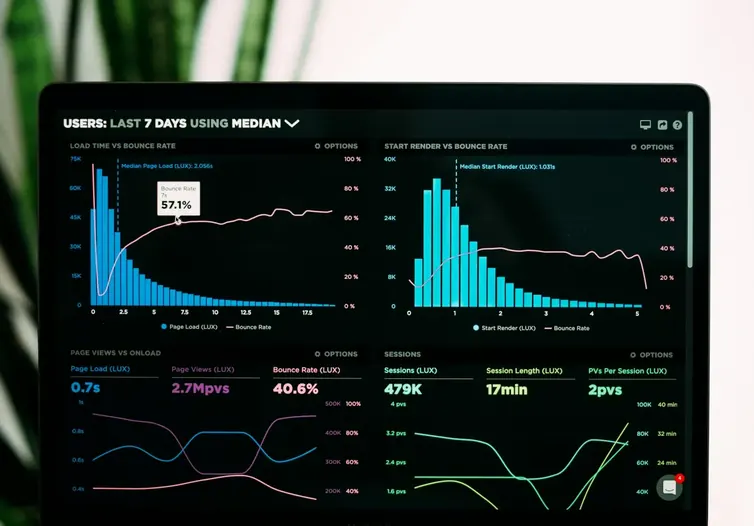
I trace heavy pages and slow taps on mobile to specific images, scripts, fonts and widgets, using field data so fixes target what visitors actually experience on local networks.

I define Product, Offer, Organization and LocalBusiness markup per template, matching each real branch or depot and the prices and availability shown on the page.

When moving from .co.za to .com, changing platform or relaunching with a new agency, I build the redirect map, review staging and verify indexing after launch.
How I Work
Collect crawl, log and field data
 Page-type inventory
Crawl versus sitemap comparison
Server and CDN logs
Mobile field data
Page-type inventory
Crawl versus sitemap comparison
Server and CDN logs
Mobile field data
Write fixes developers can ship
Issue register by template
Tickets with test steps
Remote developer walkthrough
Release checklist for SEO
Prove each fix in data
Recrawl after release
Indexing by section
Error and uptime trend
Organic inquiries by page
Where and how a South African site is hosted has direct technical consequences. Some sites still run on a server in the company's own building or a small local host without backup power, and when the power or the fiber link goes down, so does the site. Googlebot does not know about scheduled power cuts. It sees server errors or timeouts, and if they repeat, it slows crawling and may drop pages temporarily.
Other sites sit on low-cost plans in Europe or the United States, which keeps them online but adds delay to every request from South African visitors. Major cloud providers now offer South African regions, and CDNs have edge locations in the country, so there are usually better options than either extreme.
I check three things:
The recommendation may be as simple as moving to managed hosting with backup power, or as specific as configuring stale content serving at the CDN. Either way, it is written so your hosting provider or developer can act on it. The wider audit method follows my technical SEO audit process.
South African distributors, wholesalers and retailers often feed their online catalog from an ERP, an accounting package or a warehouse system, with stock levels per depot or branch. That keeps the site current but brings risks that only show in search:
Together we go through each filter and pick out the combinations people genuinely search for, such as a product type with a brand, and give only those indexable landing pages with useful text. The rest are handled with canonical tags, internal linking and parameter rules suited to WooCommerce, Shopify, Magento or a custom build.
Discontinued and out-of-stock products need a rule per case: stay live with clear availability, point to a replacement, or redirect to the category. When the feed itself is unreliable, the fix belongs upstream, in the integration rather than the website. My ecommerce SEO page covers the catalog side in more depth.
Mobile data costs a real share of many South Africans' budgets, and network quality varies between metros, towns and rural areas. A page that downloads several megabytes of scripts and images before showing a price or phone number loses visitors quietly. The South Africa SEO plan sets the overall priorities; this work finds and removes the weight template by template.
Real-user Chrome data, split by page type, shows where the pain is; lab tools then explain why:
The remedies are usually unglamorous: chat that loads only when someone taps it, plugins deleted rather than deactivated, photos resized and compressed, and marketing tags held back until the page can be used.
Consent banners need care. POPIA shapes how personal information is collected through forms, cookies and analytics, and those legal choices belong with your advisor. On the engineering side, I check that the notice and every tag waiting behind it stay out of the way of content and do not push the layout around. More detail is on my Core Web Vitals consulting page.
Many South African companies run more than one web presence: a .co.za for the home market and a .com for international buyers, a UK site after expanding there, or old domains from acquisitions still online. When these carry the same product or service text, search engines must choose between them, and they do not always choose the version you want for each market. I check canonicals, redirects and hreflang across the set, using codes such as en-ZA and en-GB, and flag where the text barely differs between versions, because hreflang cannot separate pages that say the same thing. The decision about which markets need their own version belongs to my international SEO work for South Africa.
Afrikaans pages bring a small but real technical point. Afrikaans uses characters such as ê, ë and ô, which are valid in URLs but are percent-encoded behind the scenes and easy to break in redirect files and campaign links. A consistent rule, either keeping the characters or using plain letters, prevents duplicate URLs for the same page. Each Afrikaans page also needs its own URL, metadata and an af-ZA declaration. The wording itself is written or checked by Afrikaans speakers on your team; the engagement runs in English.
For structured data, I define Organization, Product with rand offers and LocalBusiness for each genuine branch, depot or showroom, matched to the details on each business profile. My schema markup page explains the model.
South African sites change platforms and agencies often, and domain moves such as consolidating a .co.za into a .com carry real risk. My SEO migration process covers a full inventory of existing URLs, a tested redirect map, staging review before launch and close monitoring of errors, indexing and inquiries afterward.
Logs complete the picture. Whether they come from the origin server or a CDN, they show which sections Googlebot visits, how often, and where it meets errors, redirect chains or old parameter URLs. For stock-heavy catalogs they also expose Googlebot wandering through filter permutations instead of reaching fresh products. On sites with power-related outages, they show exactly when crawlers met errors.
Everything is delivered remotely to whoever maintains the site, whether staff developers, a freelancer or an agency, as a ranked list of issues, tickets with test steps, short recorded explanations and calls in South African business hours. Your team or agency makes the changes, and I check them after release. I accept nothing from hosting companies, agencies or plugin vendors for recommending them. The South Africa hub gathers my ERP and growth services for the country.

Tell me about your business and current systems. I’ll suggest the most sensible first step.
Book a Consultation
Not sure which ERP you need?
Share your business requirements with me and I will help you understand the right process, architecture and platform before implementation.
FAQ
They can if your site goes offline with them. Googlebot sees repeated server errors or timeouts and may slow crawling or drop pages for a while. I compare crawl errors with outage periods and recommend hosting with backup power, CDN caching that can serve pages while the origin is down, or both.
Hosting nearer your visitors usually helps response times, and cloud and CDN options in the country make that easier than it used to be. What matters most is how quickly pages reach visitors and how reliably the site stays up. I measure both before recommending any change.
Both keeping the characters and replacing them with plain letters can work. Characters such as ê are valid but percent-encoded, which makes links long and redirects fragile. The important part is one consistent rule per language, applied everywhere, so the same page never exists under two addresses.
No. My output is the specification, the ticket and the test; your developers or agency apply the change, I talk them through it over video and then confirm it on the live site. Your team keeps control of the code, hosting and access, and fixes go through your normal release process.
I cannot promise that. Fixing crawl errors, outages and bloated templates clears the path for search engines to reach and store your pages. Rankings also depend on content, competition and many signals no one controls. I report errors, indexing, field performance and organic inquiries, so the effect of each fix is visible.
Every business is different. Share where you are today and what you want to fix, and I’ll tell you honestly whether and how I can help.
Book a Consultation
Insights
 Book a Consultation
Book a consultation to talk through your processes, systems and goals. I’ll reply with practical next steps - no obligation.