Contact Info

 Saudi MEP Work
What should Saudi MEP contractors expect from an ERP consultant?
Saudi MEP contractors need a system that copes with vendor list approvals, imported equipment that must clear conformity checks, site stores spread across distant projects and operation and maintenance contracts after handover. I document how your company runs those steps, turn them into ERP requirements, assess platforms neutrally against real Saudi scenarios and support the implementer remotely through testing and go-live.
Last reviewed by Vikas Saroj
Mechanical and electrical contractors in Saudi Arabia are working on hospitals, campuses, housing communities and large development programs, many of them far from the cities where purchasing and finance teams sit. Equipment arrives from overseas, materials travel long distances to site, and clients increasingly expect the same contractor to operate and maintain the systems after handover.
I help Saudi MEP firms bring that picture into one ERP. Before any vendor demo, we map how a vendor list is approved, how imported plant is cleared and costed, how stores on remote sites are controlled and how installed systems become an operation and maintenance contract.
All workshops run online during the Saudi working week.
 What I Do
I work on the supply chain and handover side of Saudi MEP projects, where distance, approvals and imports make material control harder than in most markets.

Mapping how manufacturers and suppliers are approved by the client or consultant, how material submittals are tracked and how that status is enforced when buyers raise purchase orders.

Requirements for import files holding supplier invoices, freight, insurance, duty, clearance and conformity costs, allocated to equipment so each project carries the true landed cost in riyals.

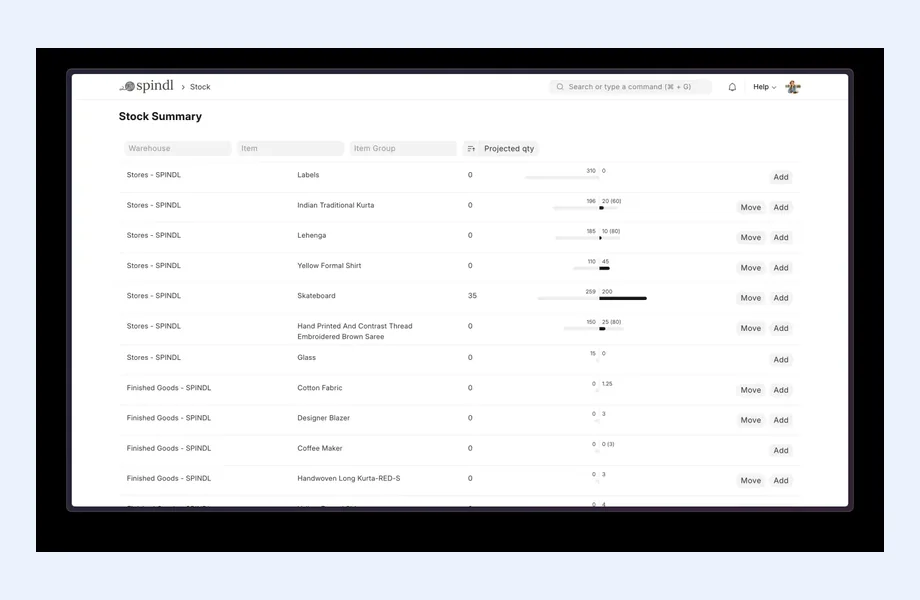
Stock locations for the central warehouse, regional yards and each site store, with material requests, transfers in transit, returns and periodic counts that work where connectivity is limited.

Holding engineer accreditation, technician trade verification, site passes and training expiry against each employee, so supervisors know who can be assigned to energization, testing or fire system work.

Asset registers created from commissioning data, planned maintenance schedules, spare parts consumption, call-outs and periodic invoicing, designed for the e-invoicing obligations your advisor confirms.

Weighted demos using a Saudi import file, a site transfer and a maintenance visit, so each shortlisted platform is tested on the same scenarios without sales influence.
What to Measure
An ERP for mep should make these numbers available without a spreadsheet. I design the data model and reports around them from the start.
Platform Fit
How I Work
Approvals, imports and stores traced
 Vendor approval routes
Import file review
Remote store practices
Handover documents sampled
Vendor approval routes
Import file review
Remote store practices
Handover documents sampled
Saudi MEP requirements and shortlist
Item and approved vendor master
Landed cost and currency rules
Asset and O and M design
Scripted demos and scoring
Implementation, testing and stabilization
Design reviews with implementer
Stock and import migration
UAT at a site store
First maintenance billing cycle
On Saudi projects the client or its consultant usually controls which manufacturers and suppliers may be used for MEP equipment. A vendor list is attached to the specification, alternatives must be justified, and each material submittal is reviewed before procurement can proceed. On many government-linked projects there are also local content expectations, which can mean preferring locally manufactured products or reporting the origin of materials. Check the exact obligations on each contract with your commercial and legal advisors.
For the ERP this means the item and supplier masters must carry more information than a typical trading business needs. I define fields for manufacturer, country of origin, approval status per project and the reference of the approving submittal. Purchase orders can then be checked against the approved list, and reports can show how much of a project's material spend came from local or imported sources if a client asks for it.
None of this requires exotic software. It requires agreeing who maintains the approval data, at what moment it is updated and which roles may override it. I write those rules into the requirements so the implementer configures controls that your procurement team will actually follow.
Chillers, air handling units, switchgear, transformers, generators and fire pumps are often imported, and regulated products entering the Kingdom generally need conformity documentation before they clear customs. Delays in that paperwork hold up shipments just as surely as a late factory. When the cost of clearance, freight, insurance and duty is booked to a general expense account, project margins look healthier than they are.
I design an import file process in the ERP. Each shipment groups the supplier invoices, the bill of lading, conformity certificates as attachments and every additional charge. Charges are allocated to the received equipment by a method agreed with finance, and the landed cost moves to the project when the item is issued to site. Foreign currency purchases need an exchange rate policy, and VAT on imports must be treated as your tax advisor directs.
Equipment with serial numbers should be recorded at receipt, not at installation. That single change makes warranty claims, site transfers and the final asset register far more reliable. ZATCA e-invoicing and the wider contract and certification cycle are covered on my Saudi construction ERP page, so here I keep to the equipment layer.
A Saudi MEP contractor might run a central warehouse in Riyadh or Dammam while projects sit hundreds of kilometers away. Materials travel by truck for days, partial deliveries are common, and site storekeepers work with intermittent connectivity. In that setting, stock records drift quickly unless the process is simple and enforced.
I map each stock location as it really operates: central warehouse, regional yard, site store and sometimes a fabrication area for duct or pipe work. Transfers are recorded as goods in transit until the site confirms receipt, so losses and damage in transport become visible. Material requests from site engineers are approved against the project budget before issue. Surplus material is returned or transferred to another project with a recorded value, instead of disappearing into a container.
Mobile or offline-capable entry for storekeepers is an important test in vendor demos. I also define a cycle count routine for site stores, because a full stocktake at a remote project is expensive and usually delayed. The aim is a stock figure per project that the commercial team trusts enough to use in cost to complete forecasts.
In Saudi Arabia, engineers are generally expected to hold professional accreditation, and skills verification programs apply to many technical trades held by expatriate workers. Clients and authorities may also require named, approved personnel for fire protection, electrical energization or other sensitive work. These requirements change, so the ERP should hold the evidence rather than encode the rules.
I design an employee record that keeps accreditation numbers, trade verification, site access passes, training and expiry dates, linked to the projects and work orders each person is assigned to. Alerts before expiry help HR renew on time, and supervisors can see whether a team is qualified for a task before it starts. Saudization reporting and payroll design are larger topics that I cover on the construction page; for MEP the priority is linking qualifications to assignments.
Specialist systems such as fire alarm, fire fighting, BMS, low current and elevators are often subcontracted. The ERP should hold each subcontract's scope, approvals, insurance, retention and back-to-back terms, and connect them to the system milestones that release payment.
Many Saudi clients award operation and maintenance contracts to the contractor that installed the systems, sometimes for several years. The value of that contract depends on starting with an accurate asset register, which is built from the serials and commissioning records captured during the project. I design that handover so assets, warranties and spare parts lists move into the maintenance setup without re-surveying the building.
Maintenance contracts then need planned schedules, reactive call-outs, spare parts consumption, penalty or performance terms where they apply, and periodic invoicing that meets current e-invoicing rules. Larger workforce-heavy contracts resemble facility management, discussed on the Saudi facility management ERP page.
Saudi MEP firms commonly start from a local accounting package, spreadsheets for stores and imports and a separate maintenance tool. As an independent consultant I deliver requirements, a fit-gap analysis and implementation oversight, without a license to sell. Read ERP for MEP for the trade-wide view, and the Saudi ERP consultant page or Saudi Arabia hub for national tax and localization topics.

Tell me about your business and current systems. I’ll suggest the most sensible first step.
Book a Consultation
Not sure which ERP you need?
Share your business requirements with me and I will help you understand the right process, architecture and platform before implementation.
FAQ
Yes, if the item or supplier master holds country of origin and manufacturer details, and purchasing keeps them current. Reports can then show local and imported spend by project. What counts toward any local content requirement is a contractual and regulatory question, so I keep the data flexible and leave interpretation to your advisors.
Attach them to the import file or shipment record in the ERP, linked to the received items. That way a site engineer, a warranty claim or a client audit can find the certificate from the equipment record. Large document volumes can sit in a document system with a reference held in the ERP.
Choose a process and app that tolerate intermittent connections, record transfers as goods in transit until the site confirms them, and run frequent short cycle counts instead of rare full stocktakes. I test offline or low-bandwidth entry in vendor demos, because it varies considerably between platforms and mobile apps.
Usually yes, and it is often the better design, because assets, spare parts, customers and technicians are shared. Very large maintenance portfolios sometimes justify a specialist CAFM tool, integrated with the ERP for billing and stock. I compare both options against your contract volume and team structure.
Every business is different. Share where you are today and what you want to fix, and I’ll tell you honestly whether and how I can help.
Book a Consultation
Insights
 Book a Consultation
Book a consultation to talk through your processes, systems and goals. I’ll reply with practical next steps - no obligation.