Contact Info
 Denmark
Where does a system integration consultant fit in a Danish ERP project?
The consultant sits between finance, operations and the builders, designing how a Danish ERP exchanges data with banks, e-invoicing routes for public customers, FIK-referenced receipts, payroll, webshops, warehouses and carriers. I settle data ownership, document field mappings, weigh ERP apps against middleware or custom work, keep voucher trails intact for your accountant and plan testing and monitoring. Developers or your partner build it; I design and oversee remotely.
Last reviewed by Vikas Saroj
Danish ERP landscapes tend to grow by addition. A bank app here, an e-invoicing extension there, a webshop connector, a carrier label tool, a scanning service for supplier bills. Each was a reasonable choice at the time. Together they form a web of connections that nobody fully understands, and when one fails, finance and the partner each assume the other is watching.
I work remotely with Danish companies to bring order to that web, or to design it properly from the start. I map every flow, agree which system owns which data, write a specification for each interface and decide whether an ERP app, middleware or custom code is the right tool. Your developers, implementation partner or an integration firm build to that design; I review their work and help run the tests.
No ERP vendor, app publisher or integration platform pays me anything. That frees the design to aim for the smallest set of connections that does the job reliably, even when it means retiring an app someone recently bought.
 What I Do
I concentrate on the decisions and documents that let an integration be built once, tested properly and supported for years.

An inventory of apps, extensions, connectors and file transfers around the ERP, showing what each one moves, who maintains it, what it costs to run and which ones overlap or are no longer used.

Design of outgoing invoices and credit notes to Danish public customers through the national exchange or Peppol, with location numbers, buyer references and rejection handling specified field by field.

Requirements for FIK payment codes on invoices, bank statement imports, supplier payment files and the matching rules that let receipts allocate themselves, agreed with your bank and finance team.

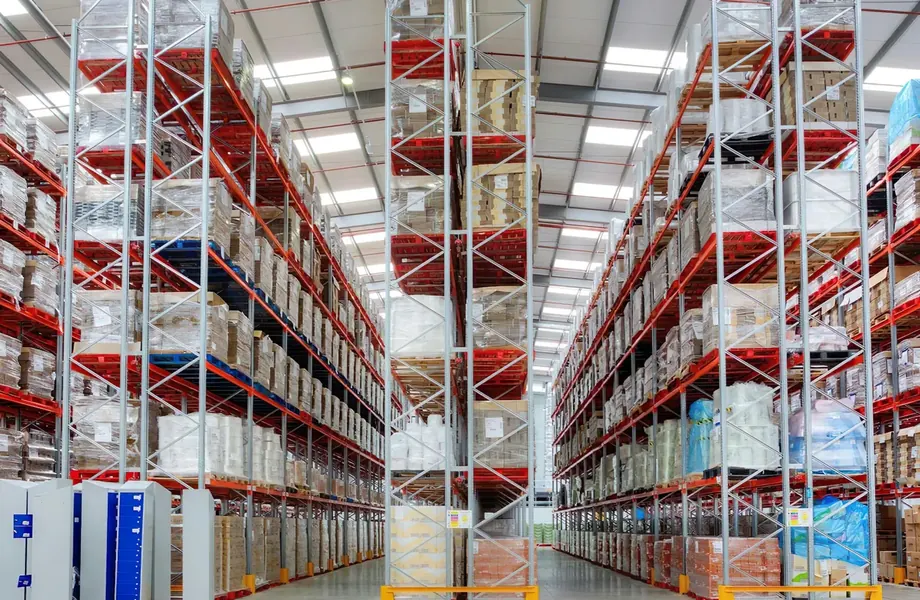
Orders, stock, prices, returns and shipment status between webshop, 3PL, carrier tools and the ERP, with a clear rule for which system owns stock and how often it is published.

A choice per interface between an ERP app, middleware such as Power Automate, Make, n8n or Zoho Flow, scheduled files or a custom API service, with support effort and app maintenance risk stated.

Logs, alerts, a plain runbook and a responsibility table naming who acts on bank, e-invoice, webshop and payroll failures, plus a retest routine for app and ERP updates.
How I Work
Understand what is connected today
 Inventory apps and transfers
Interview finance and operations
Check voucher and audit trails
Agree data ownership
Inventory apps and transfers
Interview finance and operations
Check voucher and audit trails
Agree data ownership
Specify the target flows
Field mappings per interface
Method and tool per flow
Error, retry and alert rules
Brief builders
Prove and hand over
Danish scenario testing
Reconcile with finance
Monitoring switched on
Owners and runbook agreed
The first deliverable is a map of everything connected to the ERP, including flows that run through someone's inbox. In Danish companies, especially those on Business Central with several extensions, the list is often longer than expected:
For each flow I note the tool or app used, who supplied it, who maintains it, what it costs to run and what happens when it stops. Two patterns tend to appear. Some apps overlap, with two extensions touching the same bank or webshop data. Others have no clear owner at all, because the person who installed them has left. Both become actions in the design: consolidate, document or replace. The ERP audit page for Denmark covers the wider system health check.
Danish bookkeeping legislation has pushed many businesses toward digital bookkeeping systems with digital storage of vouchers. Your accountant should confirm what applies to you and how. From an integration point of view, the implication is practical: when a transaction arrives from another system, the supporting document and its history should arrive with it or remain retrievable.
I build that into every interface specification:
This matters beyond compliance. When a customer disputes an invoice or an auditor asks about a transaction, finance can answer from the ERP without logging into three other tools. I review these points with your accountant during the mapping workshop, and the rules become part of acceptance testing. For the requirements side of bookkeeping rules, see the ERP business analyst page for Denmark.
Invoices to Danish public customers and payment codes on outgoing invoices are often discussed as features. In integration terms they are data flows with specific fields, and they fail when a single field is missing.
For outgoing public invoices, the specification states:
For FIK payment codes, the design covers how the code is generated and printed on invoices, how statement data from the bank carries it back, and how the ERP treats part payments, overpayments and receipts that arrive without the code.
Supplier payment files follow the same discipline: which bank channel is used, how approvals are split between ERP and bank, and how rejected payments are reported. Banks and public buyers revise their requirements periodically, which is why each specification names the version it was written against and the contact who confirmed it. The CRM consultant page for Denmark describes where location numbers and references should first be captured.
Danish brands and wholesalers often sell through their own webshop, marketplaces abroad and retailers at the same time, with stock held in their own warehouse or at a 3PL. The integration has to keep stock, orders and returns consistent across all of them.
The design decisions I work through with operations and finance include:
Native connectors exist for many of these combinations. I test them against your real scenarios, such as bundles, partial shipments and returns across borders, before relying on them. Gaps are specified for middleware or custom work. The e-commerce industry page describes the wider operating model.
With the flows mapped, I decide the method for each one. Business Central and Odoo both have marketplaces full of apps, and an app is often the right answer for a standard Danish flow. Before accepting one, I check who publishes it, how it handled past changes in formats or ERP versions, how errors are reported and whether its data can be retrieved if it is withdrawn. Where several systems share the same data, a middleware layer with central logging can replace a cluster of single-purpose apps. Custom APIs are reserved for unusual logic or volumes.
Construction of each flow is handled by in-house programmers, the ERP partner or a dedicated integration company, and I check what they deliver line by line against the agreed design before joining the test cycle.
Test scenarios mirror what goes wrong in Danish operations:
Acceptance waits until finance has matched totals across the connected systems. Once live, every interface writes a log, raises alerts to a named person and has its own runbook entry. The ownership matrix names who handles each failure type and who retests flows after app or ERP updates. The Denmark page lists my other remote services for Danish companies.

Tell me about your business and current systems. I’ll suggest the most sensible first step.
Book a Consultation
Not sure which ERP you need?
Share your business requirements with me and I will help you understand the right process, architecture and platform before implementation.
FAQ
Not automatically. Well-maintained apps that cover a standard Danish flow are often the simplest option. Middleware earns its place when several systems share the same data or when you need one place to monitor failures. I review each app on maintenance, overlap and support, and recommend changes only where they reduce risk or effort.
Whoever you choose to code them: staff developers, the firm implementing your ERP, or an outside integration specialist. My role covers requirements, data ownership, field mappings, method choice, test scenarios and review of the build. Keeping design and build separate helps you hold the builder to an agreed specification and keeps the recommendations independent.
Often, depending on what the 3PL and webshop platforms support. The more important question is which system owns stock and how reservations are handled between channels. I define that first, then decide whether frequent updates, event-based messages or scheduled syncs fit your order volumes and the risk of overselling.
I do not give legal confirmation of compliance; that sits with your accountant or advisor. What I do is design and test integrations so supporting documents stay attached, references remain traceable and corrections are logged. Those results give your accountant concrete evidence to assess against the rules that apply to your business.
Every business is different. Share where you are today and what you want to fix, and I’ll tell you honestly whether and how I can help.
Book a Consultation
Insights
 Book a Consultation
Book a consultation to talk through your processes, systems and goals. I’ll reply with practical next steps - no obligation.