Contact Info

 Vancouver
What does an ERP business analyst capture for a Vancouver business?
A business analyst on an ERP project converts how a Vancouver business really operates into requirements a system can be configured and tested against. Here that might mean container release and demurrage steps for a port-side distributor, yields and grading for a seafood processor, fund separation for strata managers, or agent commissions for a private college. I deliver the analysis remotely as process maps, a BRD and test scenarios.
Last reviewed by Vikas Saroj
Requirements go wrong when they are written from a generic checklist. A distributor whose containers sit at a terminal, a processor in Richmond or Delta buying fish by species and grade, a property management firm running many strata corporations, and a private college paying recruitment agents overseas each follow rules that no standard template anticipates.
As your business analyst I work remotely with the people who do the work, from dispatchers and plant supervisors to strata managers and admissions staff. I record each process as it really runs, mark where it should change, and convert that into numbered requirements, a fit-gap view and test scenarios your implementer can be held to.
 What I Do
Each item below produces documents your implementer configures from and your team tests against, built around situations specific to Vancouver businesses.

For importers and distributors, I map how a container moves from vessel arrival through customs release, terminal pickup, transload or delivery, and who records each step, so the ERP reflects real handoffs with brokers and truckers.

Late pickups and slow container returns create charges that are often found too late. I document the free-time dates, alerts and approval steps needed so these costs are visible and tied to the right shipment.

Processors buy whole fish or shellfish by species, size and grade, then produce several products with different yields. I specify how receipts, yields, lots and by-products are recorded so plant results and costs make sense.

Property managers keep separate money for each strata corporation they serve. I write requirements for operating and reserve funds, owner levies, council approvals and the statements and budgets owners expect to receive.
Career colleges and language schools manage applications, tuition, refunds and commissions to education agents abroad. I document these rules, along with intake calendars and student account statements, before any platform is chosen.

Every requirement gets a test built from a real case: a delayed container, a mixed-grade delivery, a special levy, a student who withdraws before the term. Your team runs them in UAT before signing off.
My Consulting Journey
Business first, technology second. You can hire me for one step - a BRD, a gap analysis, a vendor shortlist - or for the whole journey.
How I Work
See the work as it happens
 Interview front-line staff
Collect real documents
Review screen recordings
Note workarounds and exceptions
Interview front-line staff
Collect real documents
Review screen recordings
Note workarounds and exceptions
Write what the system must do
Draw current and future maps
Number each requirement
Score fit and gaps
Agree priorities with owners
Test against real cases
Build scenario scripts
Prepare test data
Support UAT sessions
Log and retest defects
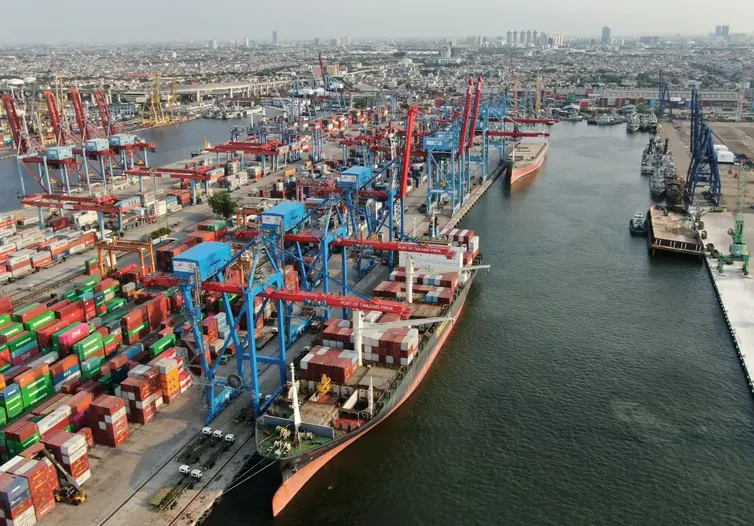
Goods arriving through the Port of Vancouver pass through many hands before they reach a shelf. A shipping line announces arrival, a customs broker files entries and obtains release, a terminal sets pickup availability, a trucking company books an appointment, and the container may go to a transload facility in Richmond, Delta or Surrey where goods are moved into domestic trailers or containers for the rest of Canada. Each party has its own system, and the importer's ERP usually knows little of what happens between purchase order and receipt.
When I analyze this for an importer or distributor, I map each step with the people who handle it: who learns the vessel has arrived, how release is confirmed, who books the truck, where proof of delivery lands, and what information comes back from brokers and carriers. Then we decide which of these events the ERP must record, which can stay in partner portals, and which should arrive through integration.
Costing of imported goods is covered on my Vancouver ERP consultant page. The business analysis focus here is the operational trail: status fields, dates, responsibilities and exceptions, written as requirements an implementer can configure and you can test.
Containers come with a limited period of free time at the terminal and a further period before the empty box must be returned. After that, the shipping line or terminal charges for each extra day. During congestion, rail disruptions or labor interruptions at the ports, these charges can mount quickly, and many importers only see them when an invoice arrives weeks later, with little record of why the delay happened.
Good requirements make this visible. I document how free time is recorded per shipment, which dates trigger alerts, who approves paying or disputing a charge, and how charges are linked back to the shipment and supplier involved. Where a forwarder or broker can send status updates electronically, I specify what data the ERP should accept and what happens when an update is missing.
These requirements sit across purchasing, logistics and accounts payable, which is why they are so easily missed: no single department owns them. Writing them down with named owners and test cases is the main protection. Specific contract terms with your carriers are for you and your forwarder to confirm; the analysis captures whatever those terms are.
Seafood processing in the Vancouver region, from plants in Richmond and Delta to operations along the coast, has requirements that general manufacturing templates miss. Raw material arrives from many vessels or harvesters, often priced by species, size and grade, sometimes with settlement terms that differ by supplier. One delivery may become fillets, portions, frozen product and by-products, each with its own yield. Product may be sold fresh within days or frozen and exported to Asia, the US or Europe with certificates required by the buyer's market.
I document how deliveries are received and weighed, how lots are created and carried through processing, how yields are recorded against expectations, and how traceability works from a finished case back to the supplier. Export steps, including the documents and inspection records a shipment requires, are mapped with the people who prepare them today.
Food safety and export certification rules come from regulators such as the Canadian Food Inspection Agency and from the importing country; your quality team confirms which apply. My job is turning them into requirements, reports and test cases. Related guidance is on my food and beverage ERP page.
Two Vancouver service sectors run on rules written outside the business. Strata management firms administer buildings governed by provincial strata law, each strata corporation with its own budget, operating fund, contingency reserve fund, bylaws and council. A firm may manage many of them, so its system must keep money and records strictly separate, issue levies and special levies, route invoice approvals through the right council, and produce statements and budgets in a format owners recognize.
Private career colleges and language schools face a different set. They recruit international students through education agents abroad, collect tuition before a study permit is confirmed, handle refunds when a permit is refused or a student withdraws, and pay agents commission under contracts that differ by country and program. Intake calendars, provincial oversight of private institutions and the obligations that come with hosting international students add more.
In both cases I start by listing the rules that come from legislation, regulators or contracts, then ask your legal or compliance advisor to confirm them before they become requirements. Everything else is mapped from how your staff work. The result is a requirements set a platform can be tested against, rather than a feature wish list.
Business analysis depends on seeing the work, so I ask for real documents early: a bill of lading and broker entry, a receiving tally, a strata budget, an agent contract, a student account statement. Short screen or phone recordings of staff doing a task are often more useful than a long meeting. Workshops run online in short blocks, placed early in your morning or late in your afternoon to suit the time difference with India, and each ends with written notes for the team to correct. If a process cannot be understood without being there, on-site observation can be arranged.
You receive current and future process maps, a BRD listing each requirement with an owner and priority, a fit-gap view once platforms are in view, and UAT scenarios built from your own cases. The engagement runs in English; where a dispatcher or plant worker would rather explain a task in Punjabi, Cantonese, Mandarin or Tagalog, a bilingual colleague from your side interprets. The national context, including sales tax and French requirements, is on my Canada ERP business analyst page, and the method is described under ERP business analysis.

Tell me about your business and current systems. I’ll suggest the most sensible first step.
Book a Consultation
Not sure which ERP you need?
Share your business requirements with me and I will help you understand the right process, architecture and platform before implementation.
FAQ
Often, yes, if free-time dates are captured per container and someone owns the alert. I document the dates, triggers and responsibilities, and how charges are linked back to shipments. Whether alerts come from the ERP or a partner portal depends on the platform and your forwarder's data, which we confirm during selection.
Start with receiving: how deliveries are weighed, graded, priced and turned into lots. Yields, traceability and supplier settlement all depend on that record being right. I then add processing steps, by-products, export documents and the reports your plant and finance teams need, each with its own test case.
Several platforms can, using separate entities, funds or dimensions, but the design choice affects reporting and audit. I document the separation rules, approvals by council and the statements owners receive, then check shortlisted systems against them. Interpretation of strata legislation stays with your legal advisor.
Through real documents, short screen and phone recordings, and focused online workshops with the people doing the work. Each session produces written notes your team corrects, so misunderstandings surface early. If a process truly cannot be understood remotely, an on-site visit can be arranged in advance.
Every business is different. Share where you are today and what you want to fix, and I’ll tell you honestly whether and how I can help.
Book a Consultation
Insights
 Book a Consultation
Book a consultation to talk through your processes, systems and goals. I’ll reply with practical next steps - no obligation.